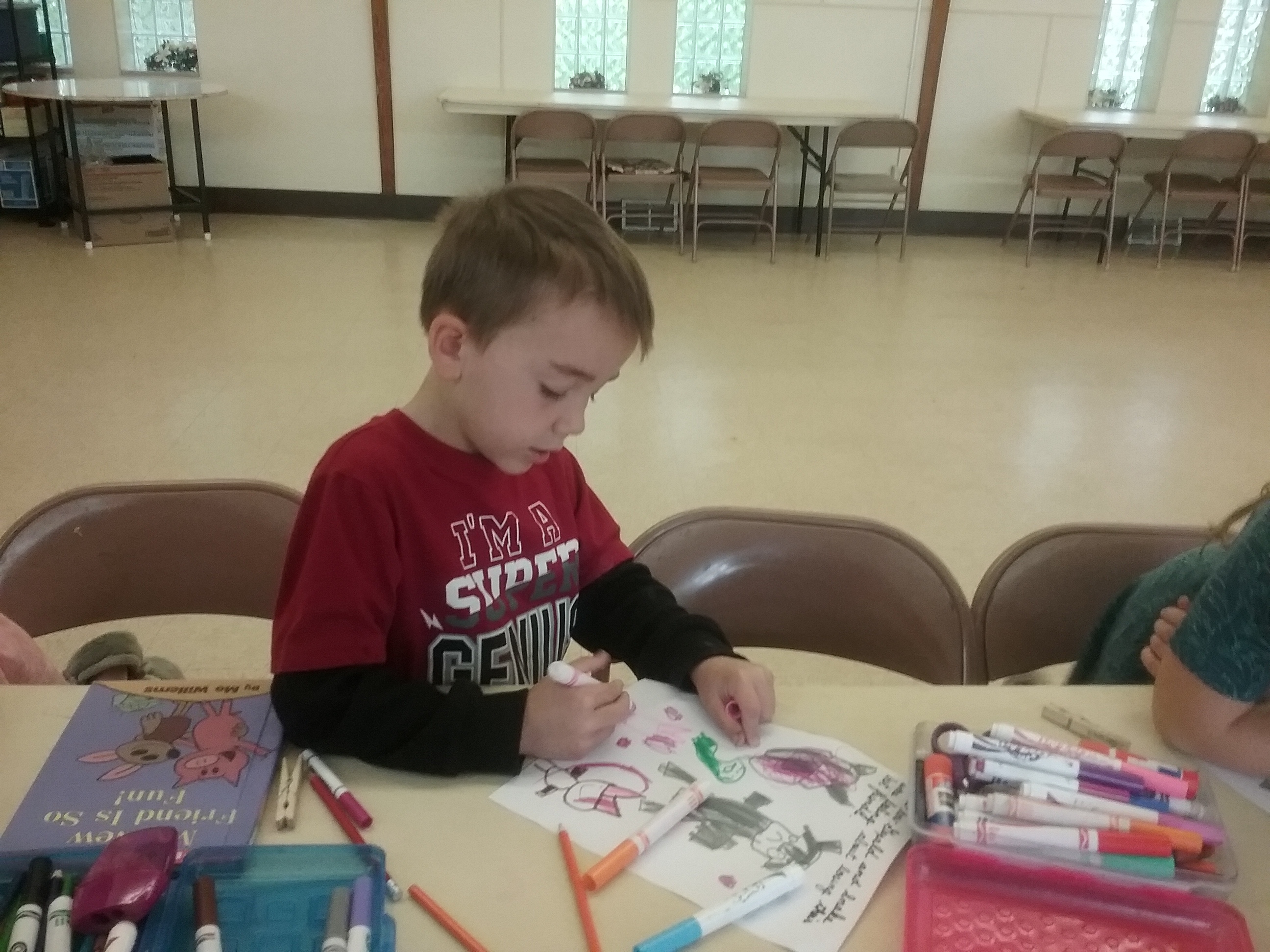
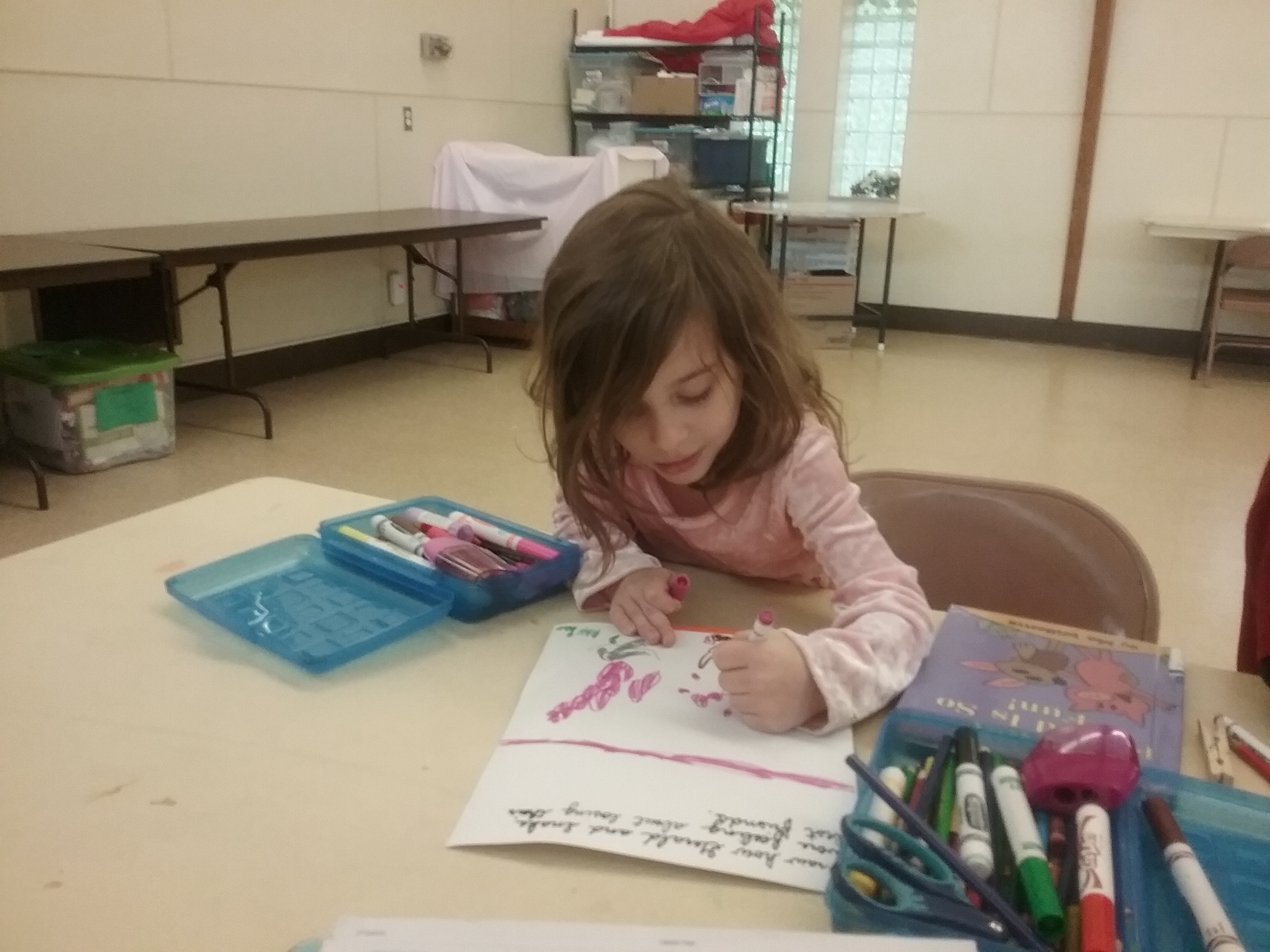
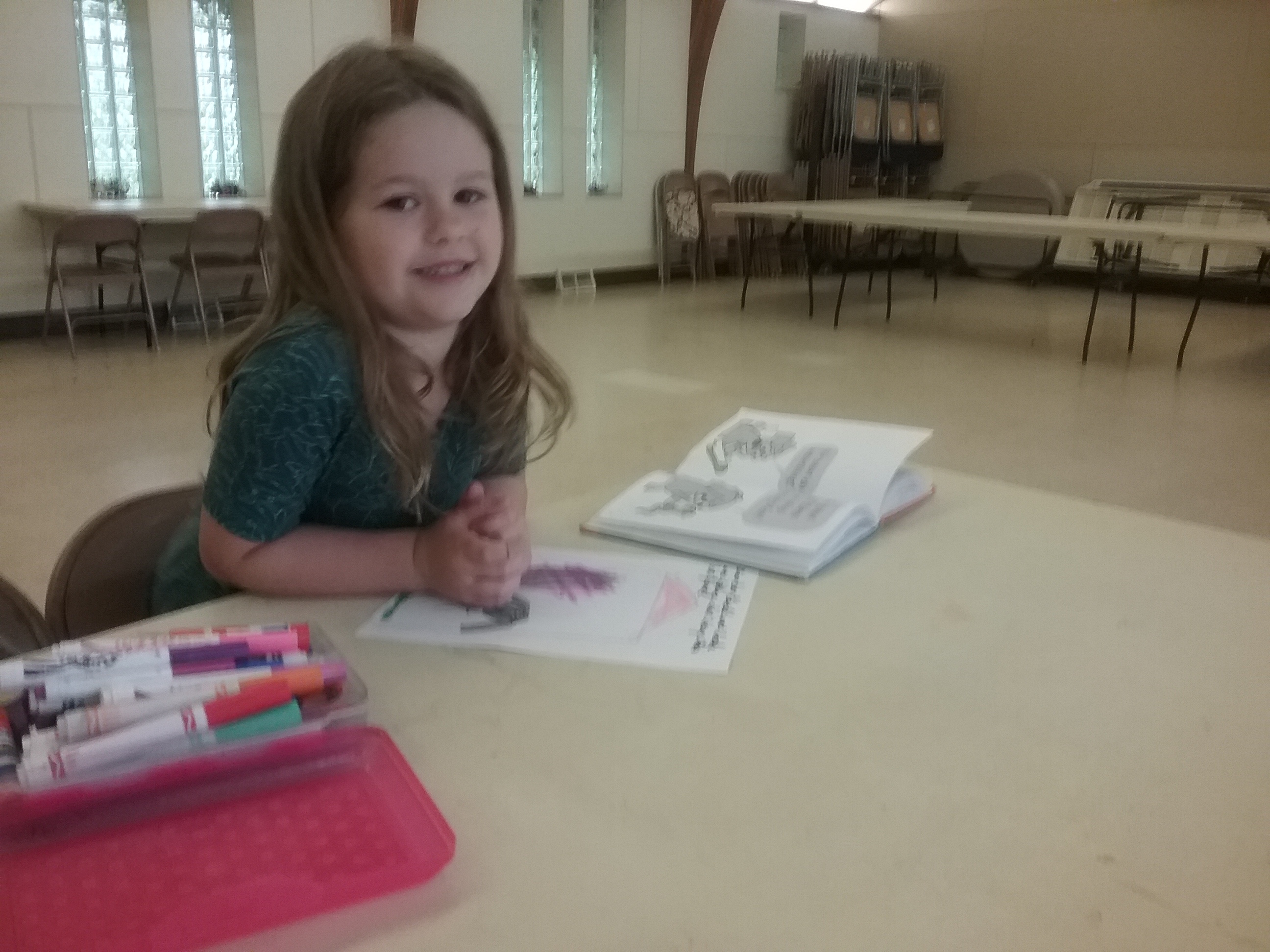
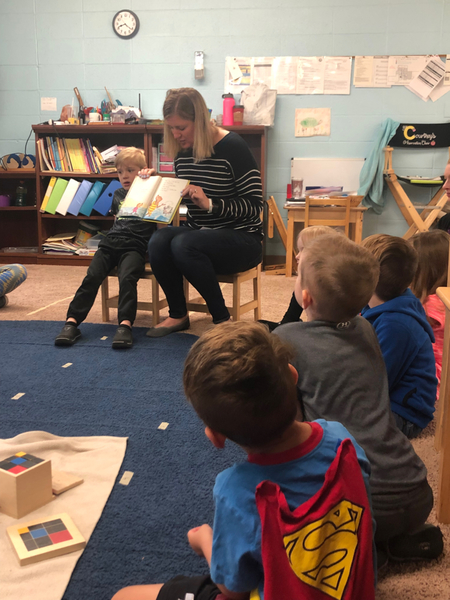
Over the last two weeks the students listened to a Mo Willems book, My New Friend is So Fun. In the story, Gerald and Snake are talking about how their best friends Piggie and Brian Bat just met and are having fun. Gerald and Snake start to worry that their best friends are having fun without them and that they will lose their best friends. They go find Piggie and Brian Bat and it ends up that they were drawing pictures of Snake and Gerald together. The two aren’t worried anymore and tell them to have fun.
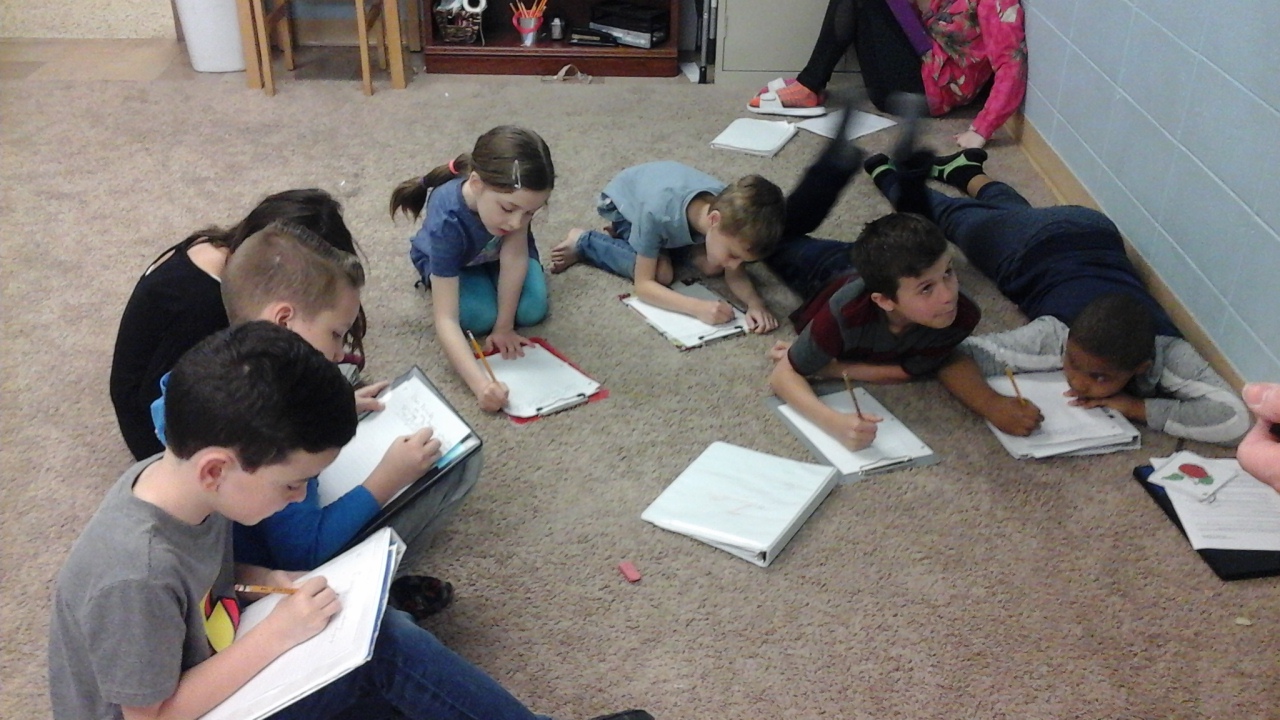
The kindergarteners worked on evaluative activities after the readings to enhance their comprehension of the story. They drew pictures of scenes from the book and wrote responses from writing prompts. For our last reading they decided to read along with me, and even used proper inflection based on the punctuation.
The kindergartners are drawing a picture of Piggie and Brian Bat having best friend fun.
A Peek Into Next Week
-The students will listened to another Mo Willems book called We’re In A Book.
-The students will be making puppets to act out the story while I read.
-Next week will be the last reading group of the year.
“One child, one teacher, one book, one pen can change the world.” – Malala Yousafzai
This is my final blog post for the year! The post coming the final week of school will be written by all nineteen of our students about their favorite parts of this school year!
I want to thank all of you for sharing your children with us. I look forward every morning to the laughs, the successes, the learning, and even the failures and frustrations. They teach me every day more than I could ever teach them. I wanted to share some of the most hilarious things said in our room this year along with a peek into what we’ve been working on.
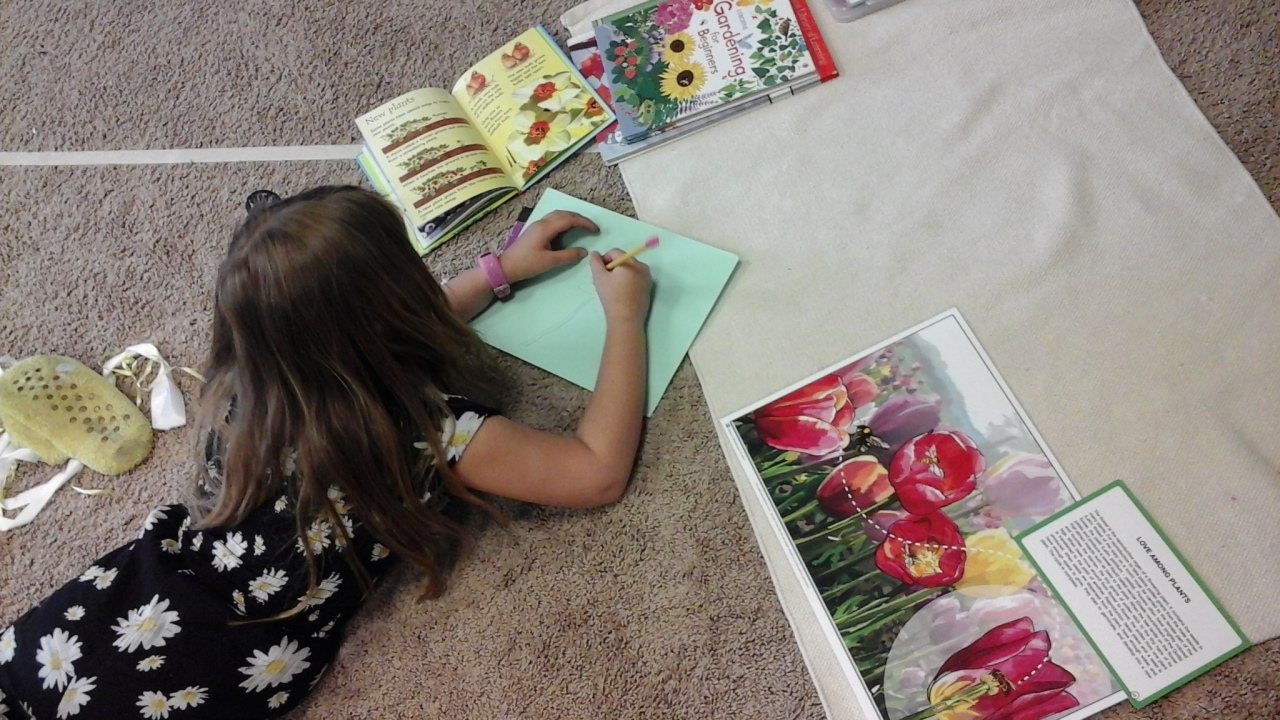
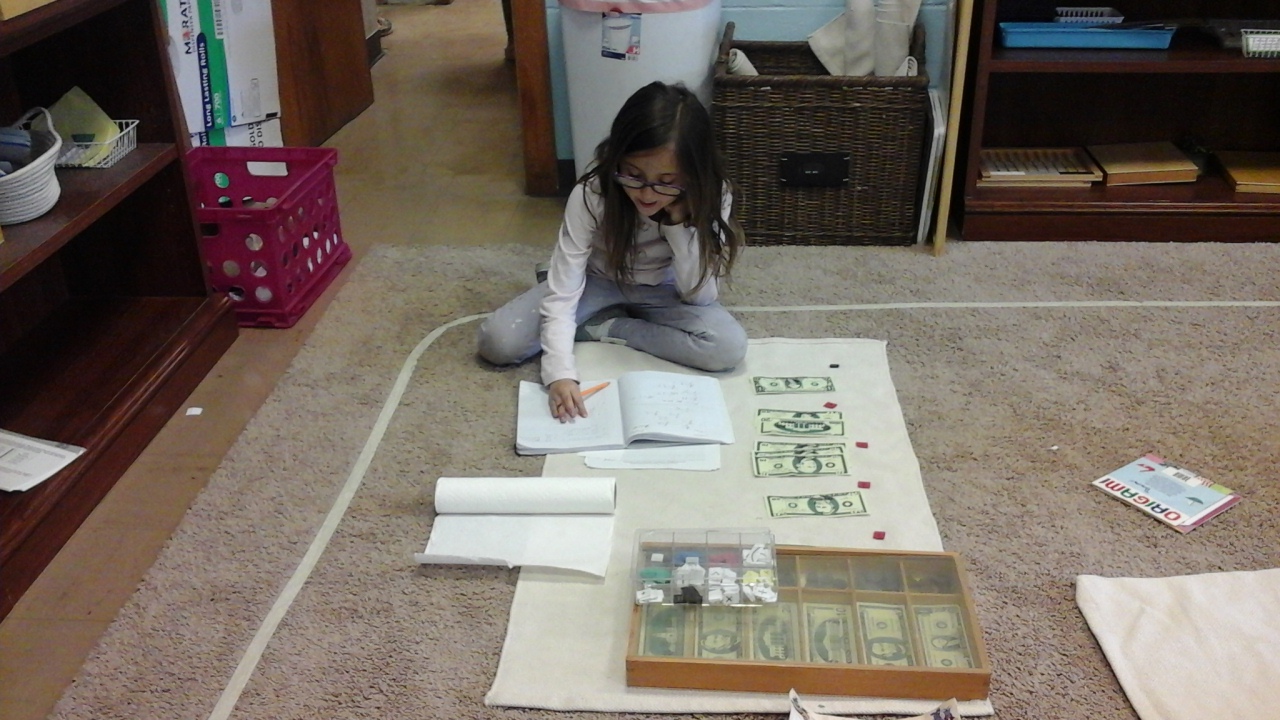
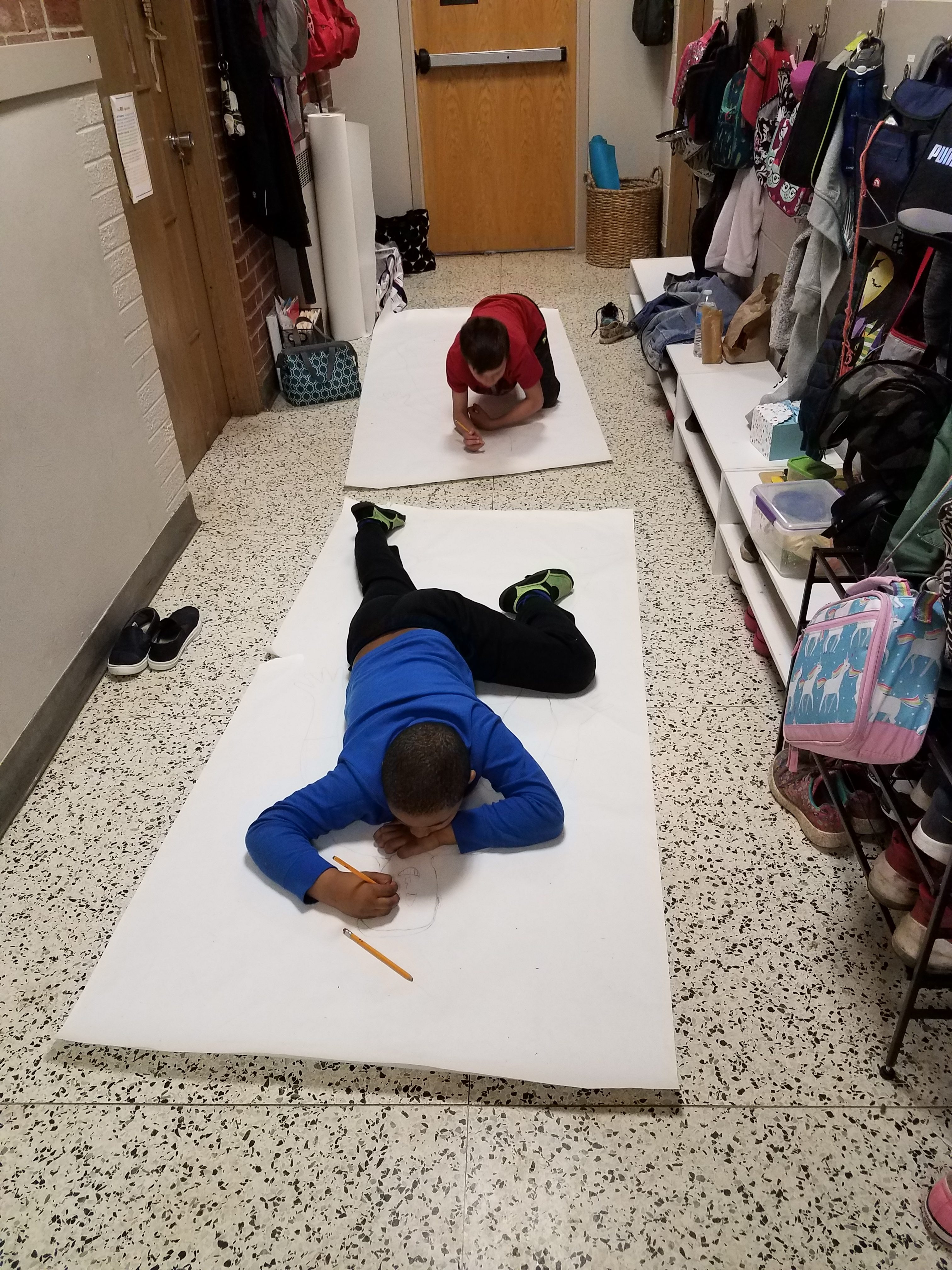
This student is researching the parts of a flower. After learning the parts she will learn many interesting things like how a seed is formed, the different positions of flowers on a stem, and how to tell if a plant’s seeds are monocots or dicots. Learning all of this information helps students feel an appreciation for nature and gives an understanding about how important it is.This student has started making her own math equations using money. She has made addition, subtraction, and multiplication equations for herself. Today she added up how much money was in the entire box! It is wonderful to see students taking initiative to learn what they are interested in.These students are writing letters to someone in the grade below them to give some advice and encouragement for their next school year. Our students listed their favorite things to work on and gave tips on how to be successful in the next school year. Look for these to arrive in mid-June!These third graders are working on the final step of their human body research. They have studied the human body throughout this entire year. After drawing their bones and researching and recording information about our organs, they are creating a skin layer to finish their models. You will be able to check these out in the hallway next week!
2018-2019 Quotes
August 2018
Student: “Is slaughter a mean word?”
Me: “That depends on how you use it.”
Him: “Like Frosty the Slaughterman.”
September 2018
A student asked me to play a game with him in aftercare. I told him I did not have time because I needed to get home to get some things done. In his best Ms. Ashley voice he said, “Oh, I must get home to sit on my couch and pet my cat while I watch cat shows and think about cats.”
First grader: “How do you get money?”
Me: “I have a job…”
Her: “Yeah, but like, do you have a REAL job?”
October 2018
During a skeleton lesson, I notice a male student trying to get a better look at the skeleton by bringing the picture closer and closer to his face, but most specifically, the pelvic area. Immediately realizing what he was doing, I say, “It’s not a bone,” to which he replies, “Ohhhh, that makes sense.”
“Obi-Wan Ms. Ashley, you are our only hope.”
November 2018
Student: “Oh, I’ve heard of kilometers before!”
Me: “Have you heard the older kids using it when planning trips?”
Him: “What? No. I learned it playing ‘Pokemon Go’.”
December 2018
While watching “101 Dalmations” on Pajama Day:
Student 1: “Yuck! Why is that dog licking his owner’s eyes?”
Me: “My dog has licked my eyes before trying to wake me up.”
Him: “That’s disgusting! My dog only licks my tongue!”
Student 2: “My dog licks my tongue, too!”
January 2019
“Ms. Ashley, I found Beethoven’s birthday, but not Ludwig’s.”
Student: “I thought you were going to get us an extra broom yesterday?”
Me: “Well, I wasn’t planning on being here today (they were calling for a lot of snow) so I didn’t go. Plus I felt like garbage last night.”
Him: “This would be a great opportunity to say, ‘You look like garbage’ if you weren’t my teacher.”
February 2019
“You’re like a hagfish because you only have a notochord!”
Student 1: “Ms. Ashley, how do you know this song?”
Me: “Well I was alive in the early 2000s when it came out.”
Student 2: “Oh right, you were born in like 1902.”
March 2019
“You mean if I go to a thrift store I could own my own dictionary? AWESOME!”
April 2019
A conversation about snails reproducing asexually and fish producing sexually turned into someone shouting, “I’m a male and I make fertilizer!”
“A Peek at Next Week”
Next week, our first year students will add and subtract lengths, will address an envelope, will study the parts of an angle, and learn about the phyla of the animal kingdom. Our second year students will continue working with the Racks and Tubes, will study circles, and will experiment with a water pressure column. The third year students will multiply using the commutative and distributive properties, will research plants, and will build a Roman Arch. The fourth year students will count in different bases, will learn about the Vikings, and will participate in a “Determining pH” lab. Our fifth years will work with square roots and continue to study the Middle Ages.
REMINDERS:
FINAL DAY OF SCHOOL – Thursday, May 30 – This is also our Laser Quest Field Trip. Look for an email about the details of that day soon.
Lesson: Punctuation at the end of sentence- We discovered the period and when using is just kind of gives a statement without much excitement or emotion. We learned more about the explanation point and when used there is excitement and emotion! Finally, we learned the question mark is at the end of a sentence when a question is asked. These children are smart, right?
Cultural Subjects: We can now count to ten in 28 different languages (English, Sign Language, Latin, Spanish, German, French, Greek, Japanese, Arabic with the Lebanese Dialect, Italian, Russian, Romanian, Swedish, Tagolog, Hebrew, Korean, Hungarian, Irish, Kiswahili, Welsh, Dutch/Flemmish, Polish, Serbo-Croation, Cebuano, Malay, Hindi, Farsi, Turkish).
Next Week: Line Time: Capitalization
Sight Words of the Week: way my
Synonym of Week:DULL (dark, dreary, somber, boring, tedious)
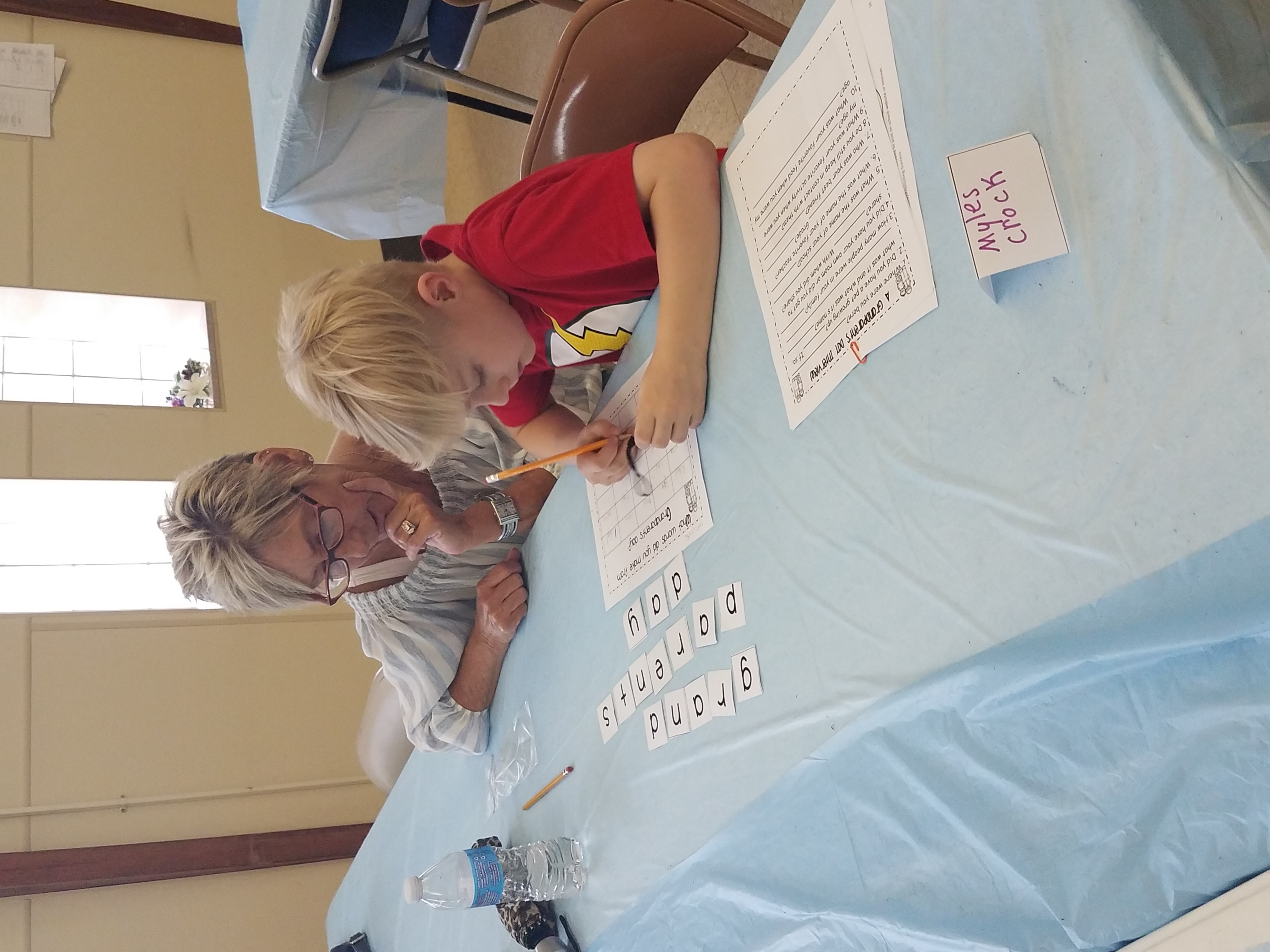
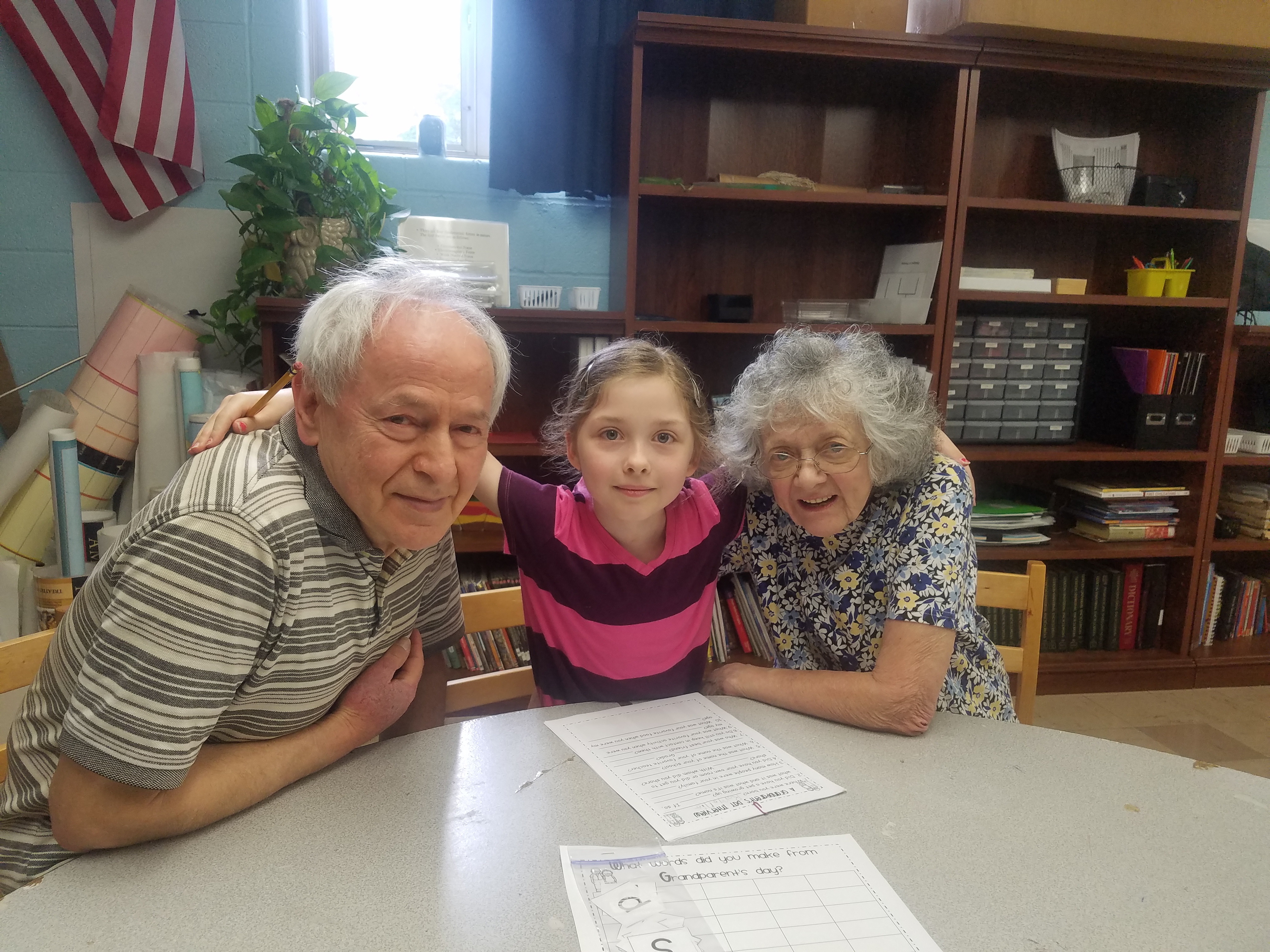
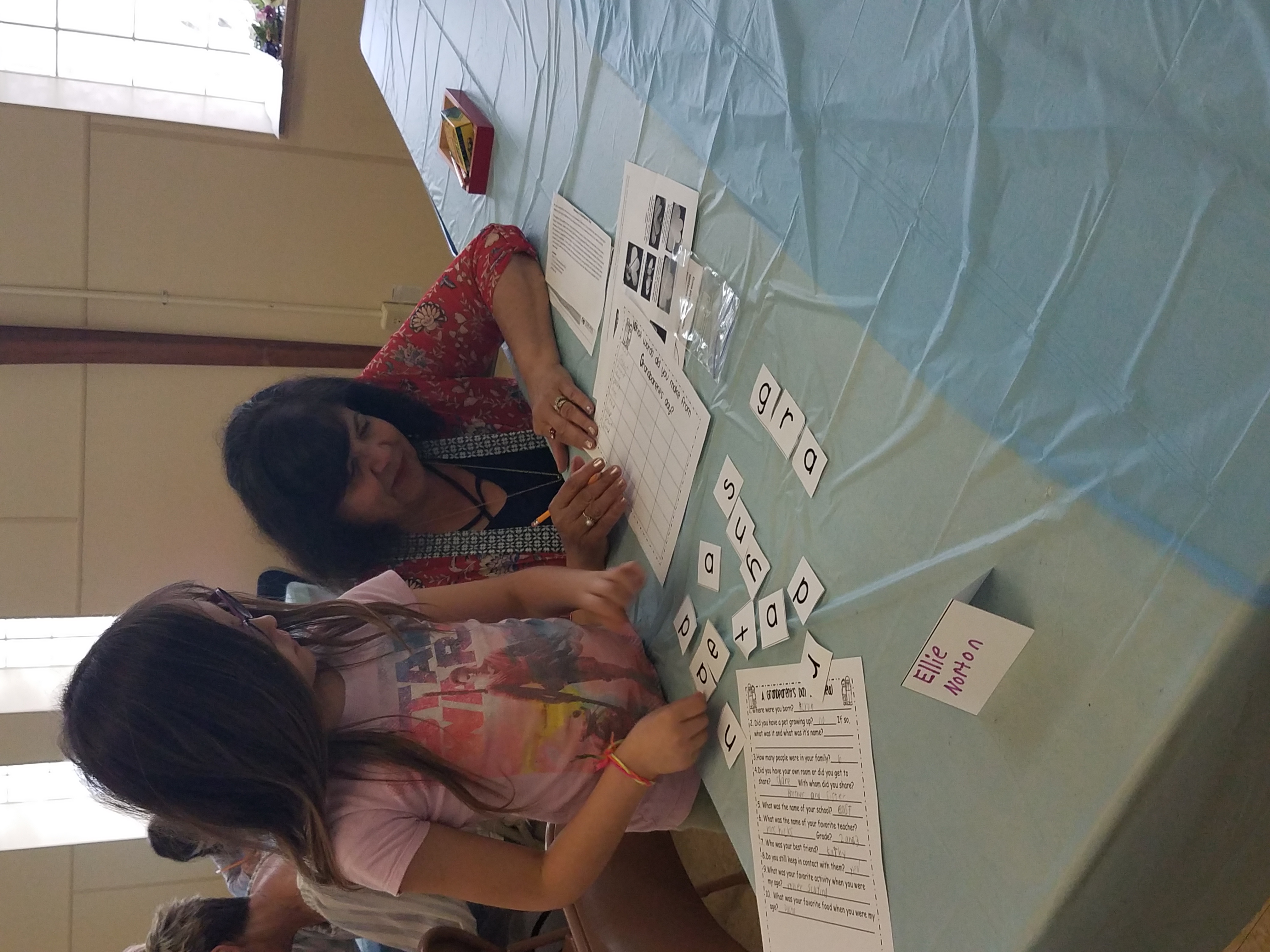
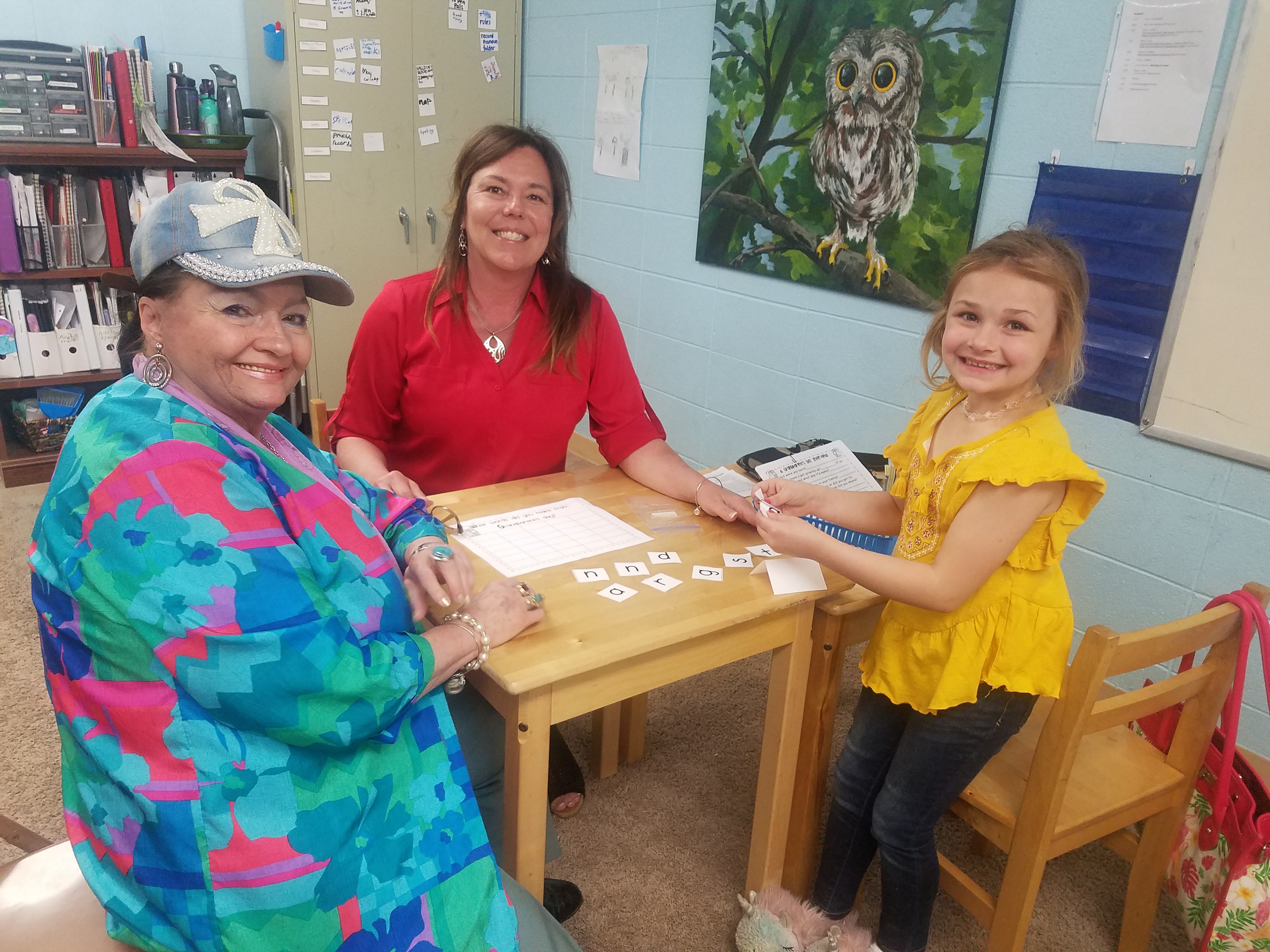
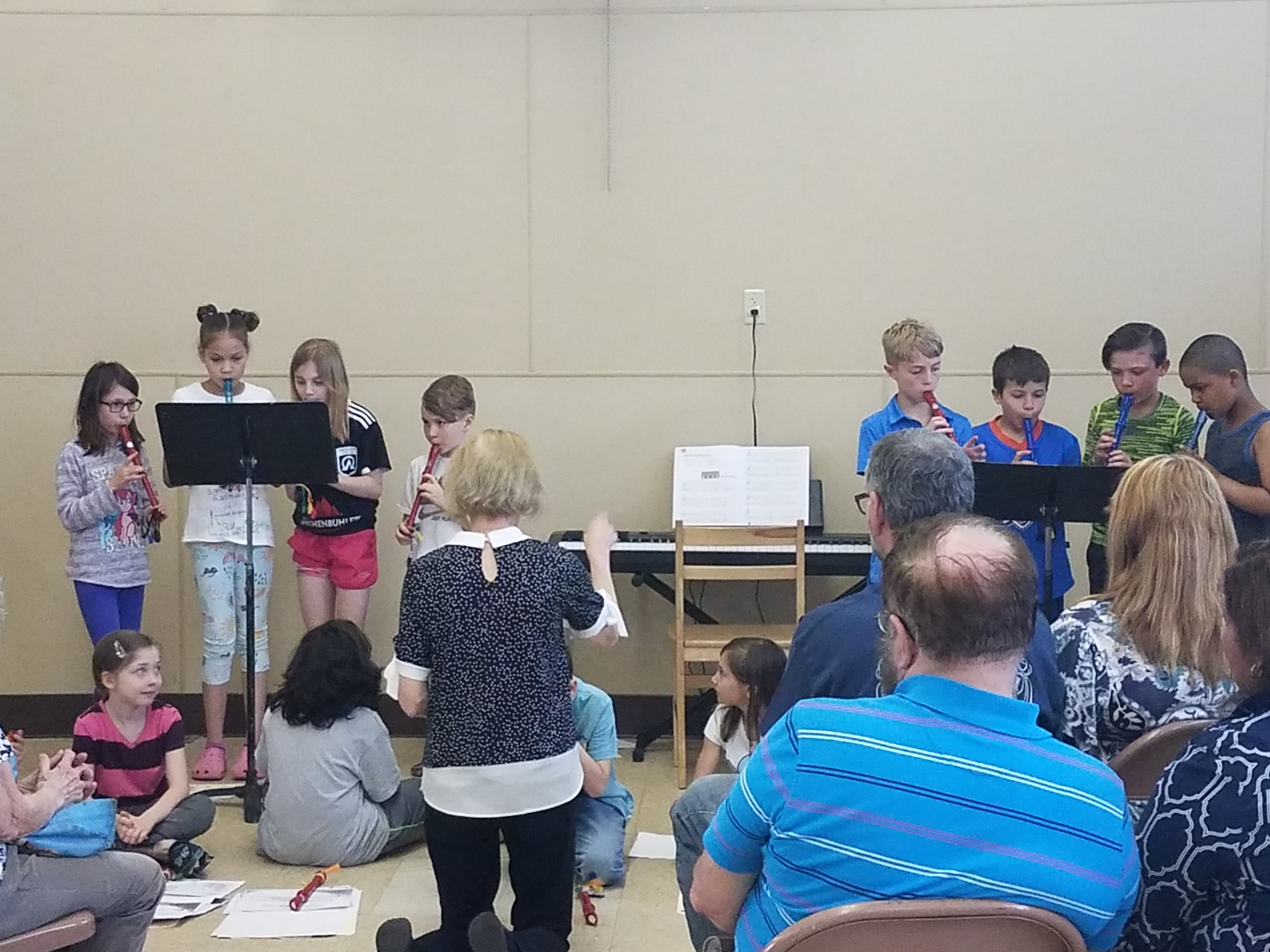
What a wonderfully eventful week we had! Our grandparents joined us, we had “Moms and Muffins,” a book fair, completed a collaborative art project, and had a virtual field trip to the Dominican Republic to learn about coral reefs! Grandparents’ Day was such a blast. We had recorder songs played by different groups of students based on skill level, we had beautiful piano solos, and some amazing Latin skits! We learned so many new Latin phrases and were highly entertained by the skits written by our students to perform for their grandparents. Our students also participated in a word list challenge, an interview with their grandparents, and made a craft about all of the things they love about each other! Thank you to Ms. Lisa, Mr. Matt, and all of our wonderful grandparents!
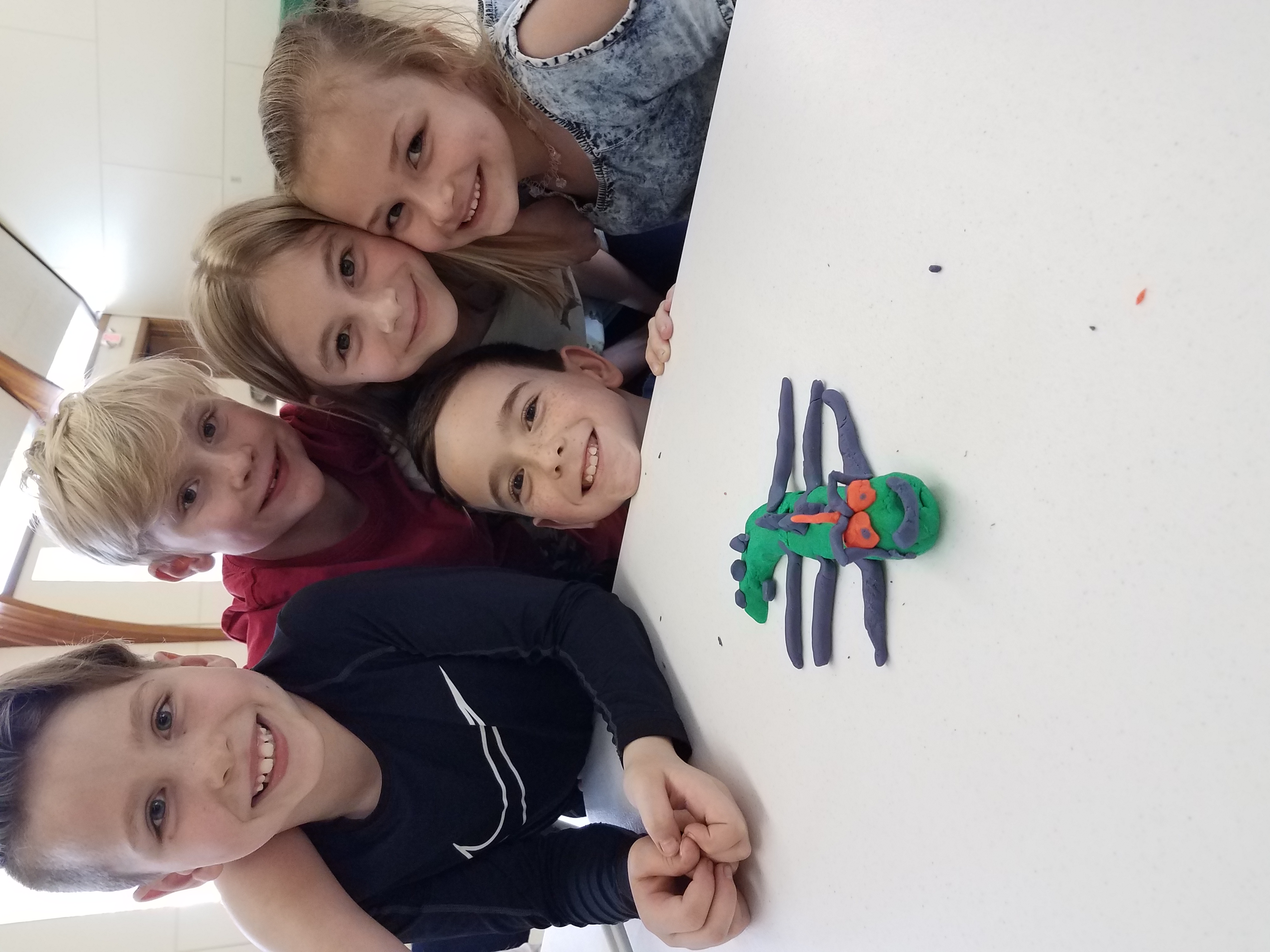
These students participated in a collaborative art project. First, we all mixed colors of Play-Doh to get orange, green, and purple for this project. Next, each student picked what part of a creature they would like to build. Each student had their own idea of what creature they would like to build, but could not tell each other what they had in mind! At the end, our groups built some amazingly unique creatures. Here there is a mermaid-unicorn-alligator.This group made an alligator-spider-caterpillar!Working together to create new words out of the letters in “Happy Grandparents’ Day!” We had many groups come up with over 100 words!Interviewing her grandparents to learn more about their childhood!This pair is working hard!All smiles completing their challenge!These students were playing “The Wedding March!”
“A Peek at Next Week”
This week, all students will write a letter to an incoming student of their current year to send over the summer! Our first year students will discuss numerators and denominators, will review types of angles, will discuss parts of the fruit, and will study Antarctica. Our second year students will discuss the power of numbers, will study more polygons, and will talk about flower placement on a stem. Our third year students will do large mental math with our Large Bank Game, will finish discussing quotation marks, will begin learning how to find the area of a rectangle, and will study echinoderms. Our fourth year students will learn about greatest common factor, transmogrified words, and will continue studying Native Americans. Our fifth year students will cube a binomial, will learn about reflexive verbs, and will be introduced to the Middle Ages.
REMINDERS:
“Bring Your Parents to Work Time” this Tuesday and Wednesday. There are still many spots available. Sign up here.
NO SCHOOL – Monday, May 27 – Memorial Day
Thursday, May 30 – Last Day of School – Laser Quest Field Trip – Come join us! Permission slips came home in Reading Logs or Friday folders!
Line Time: Baby Animals- Baby animals was the theme for the week. We started out by what we call human babies (younger children). We came up with the term “kid”. We then discovered a kid is a baby goat and we should call human children, well, children. We went over the easy animals such as cats/kittens, dogs/pups, but went on with ducks/ducklings, chickens/chicks, pigs/piglets, manatee/calf, geese/gosling, peacock/peachick, kangaroo/joey.
Cultural Subjects:
Your children can now count to ten in 27 languages (English, Latin, Sign Language, Spanish, German, French, Japanese, Greek, Arabic with the Lebanese Dialect, Italian, Russian, Romanian, Swedish, Tagolog, Hebrew, Korean, Hungarian, Irish, Kiswahili, Welsh, Dutch/Flemmish, Polish, Serbo-Croation, Cebuano, Malay, Hindi, Farsi).
Trivia Question: The answer to my trivia question of what was my football jersey number in high school was 86. This was the agent number (86) of Maxwell Smart in the TV series Get Smart. Yes, that is how I picked my jersey number.
Peek In Our Classroom:
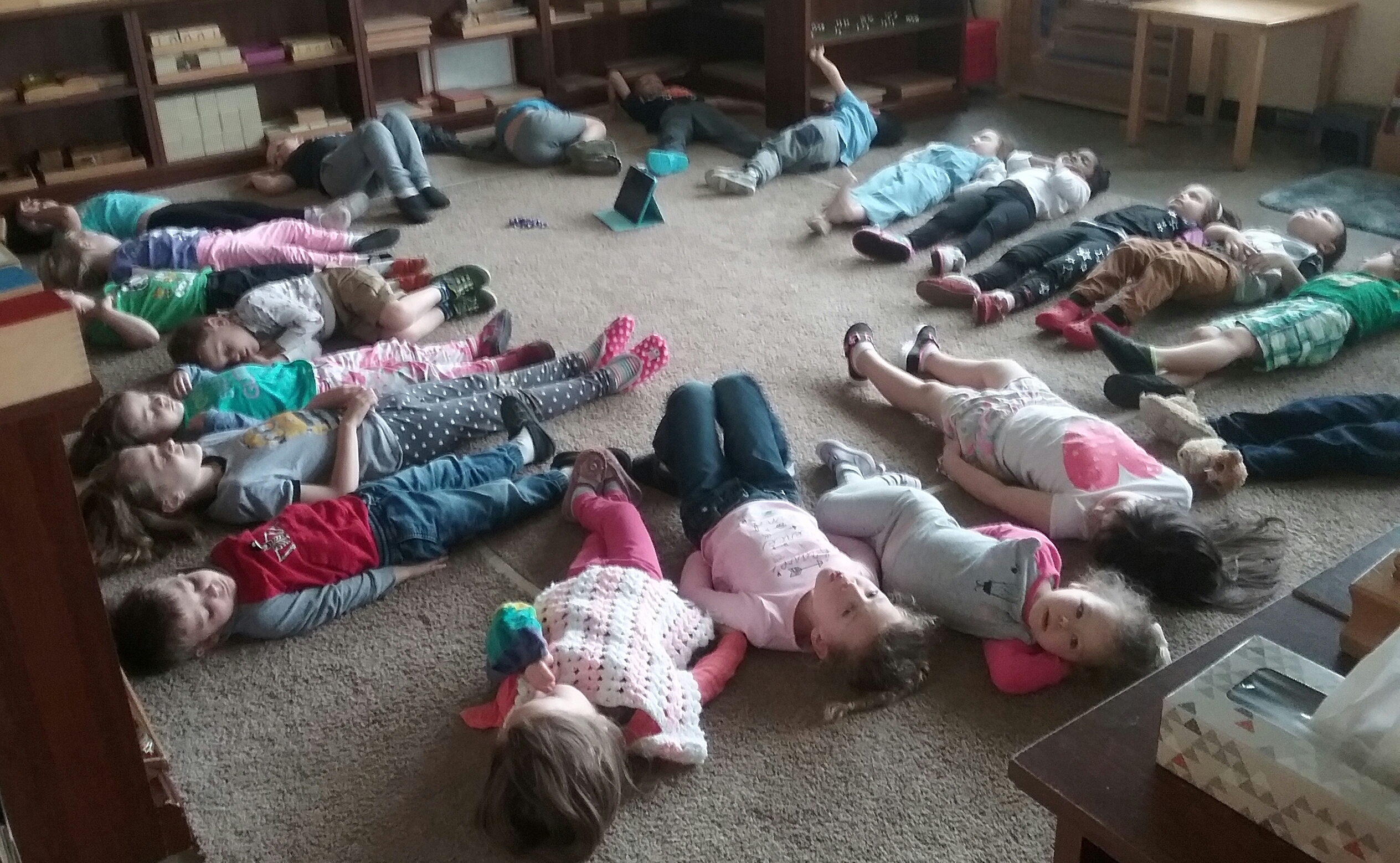
Nap time, nah. Meditation, you bet. The television/app was asking the children to close their eyes, build a tree house, and imagine a warm sunny day with birds chirping in their mind. It was called The Tree House Meditation. And please don’t think a three year old can’t do this. It requires quiet, peacefulness, it requires you to invite the child when they are calm and well rested, but a usually rambunctious three year old can do this. I think a few children fell asleep during this meditation. I know I was dozing off.
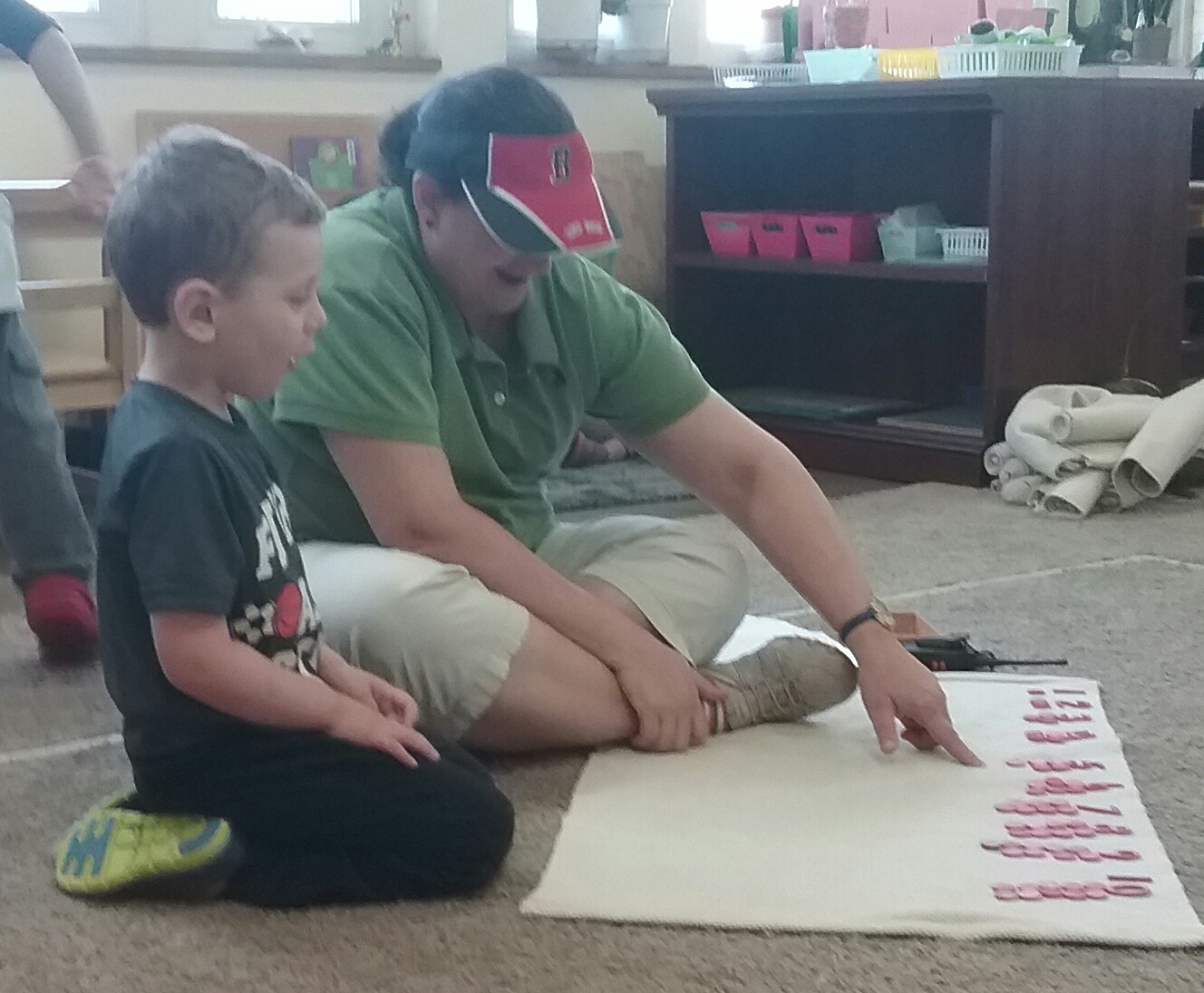
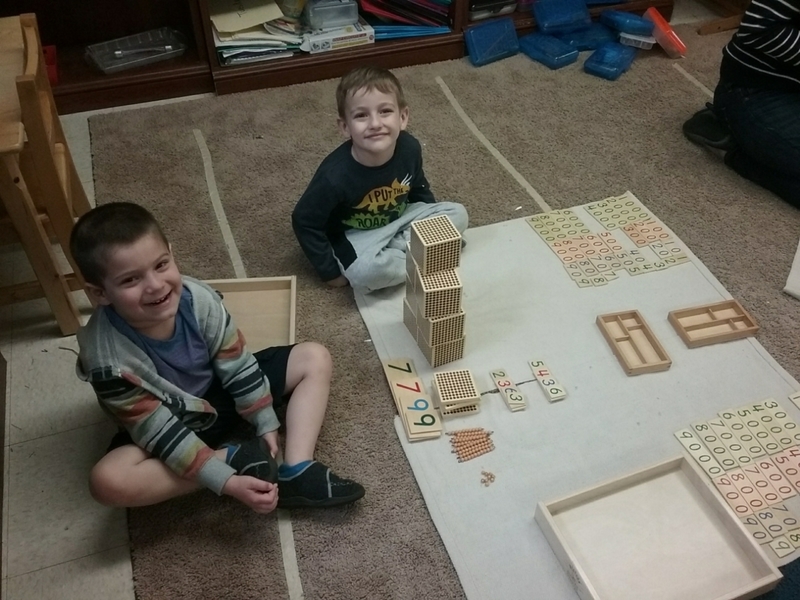
This work is called Cards and Counters found in the math area. The red counters each represent one unit, and this emphasizes for the child the fact that each number is made up of different quantities. … Indicating the difference between odd and even numbers is one of the direct purposes of the Cards and Counters. A natural control of error occurs at the end of the activity if you have any counters left over or not enough to fulfill 10.
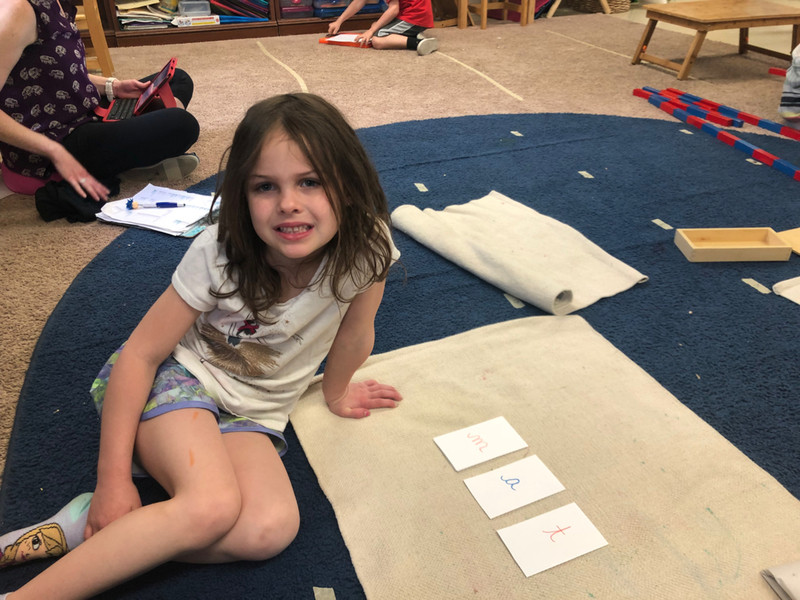
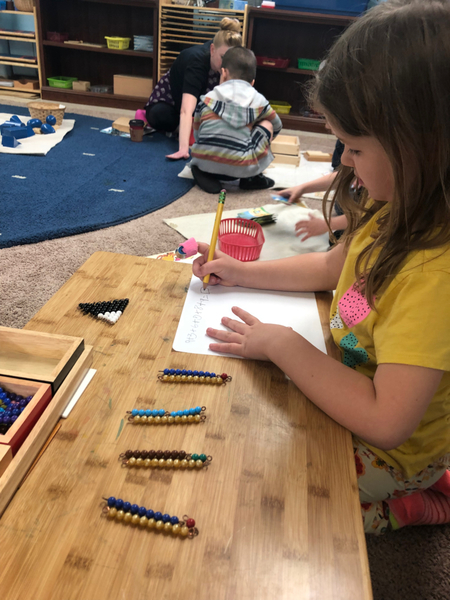
This scene shows two work stations working on handwriting/pre cursive excersises. Starting the students with cursive is imperative due to uninterrupted movements of the hand may make cursive letters easier for children to form, and for this reason, some Montessori primary classrooms introduce children to cursive letters first.
These two students are working on the living and non-living cards. Living things reproduce, taking energy or eat, exchange gasses or breathe, and grow.
Next Week: Line Time- Animal Groups
Letter Of The Week- I i
Rhyming Word Of The Week- bud
Next Language will be- Turkish
Snack will be brought to you by Harper G.
Upcoming Events: —Grandparents Day, Tuesday May 14—
*** Great Lakes Science Center Field Trip, Tuesday May 28 ***
Fun, Frolic, and Friends:
You shoulda seen the other guy.
I do not know what was being discussed in this special/secret meeting. I do know I was purposefully excluded since I was a boy…. I did catch as I eaves dropped on the conversation that the girl in the green was telling the rest of the girls that “it is close to the end of the year and some of us are going to other schools but we will always be friends and always be together.” Her words not mine. I kind of teared up a bit.
It is a test of wills.
Warm weather produces shorts and skirts and exposes bruised legs. A good indication of active children.
Wow!! I can’t believe we only have a few short weeks left of the school year… its flown by! This week was all about space! We had so much fun learing about our 8 planets, the moon, sun, the space shuttle, the international space station, stars and constellations, as well as astronaunts. During our week we read some AMAZING books, had fun with crafts, and also watched some really cool videos of people washing their hair, brushing their teeth, sleeping, and life in the space shuttle!! What a fun week we had!!
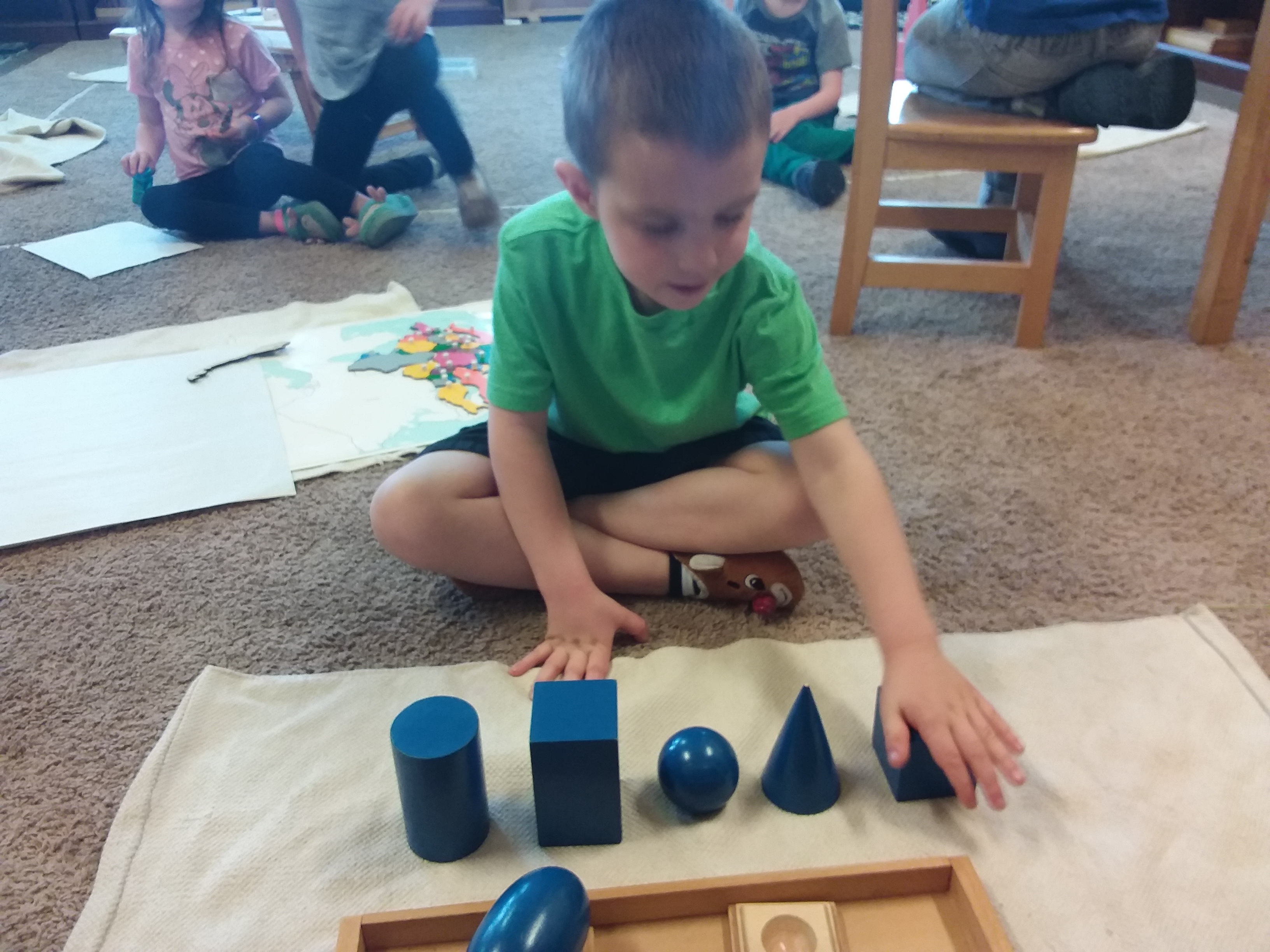
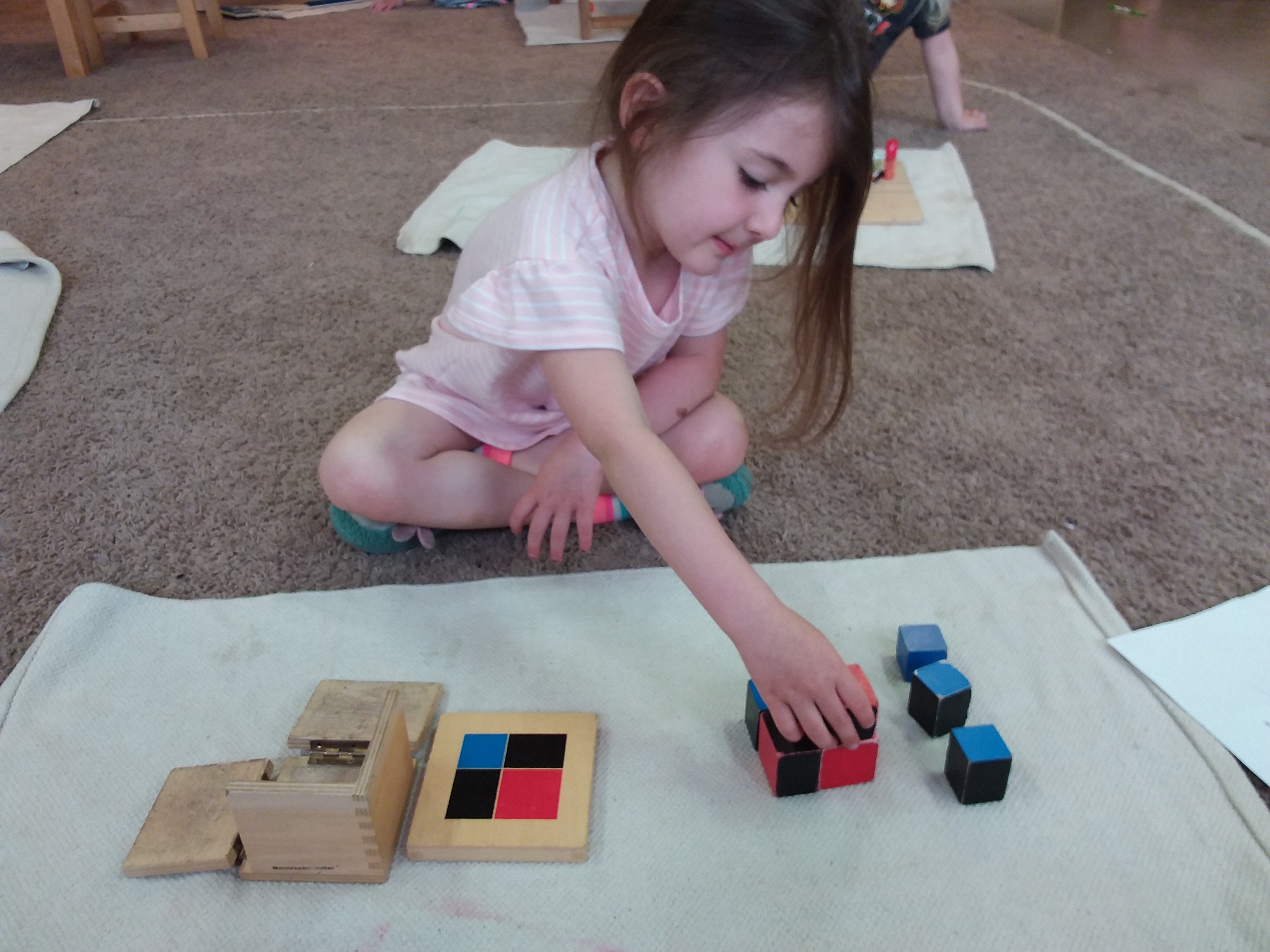
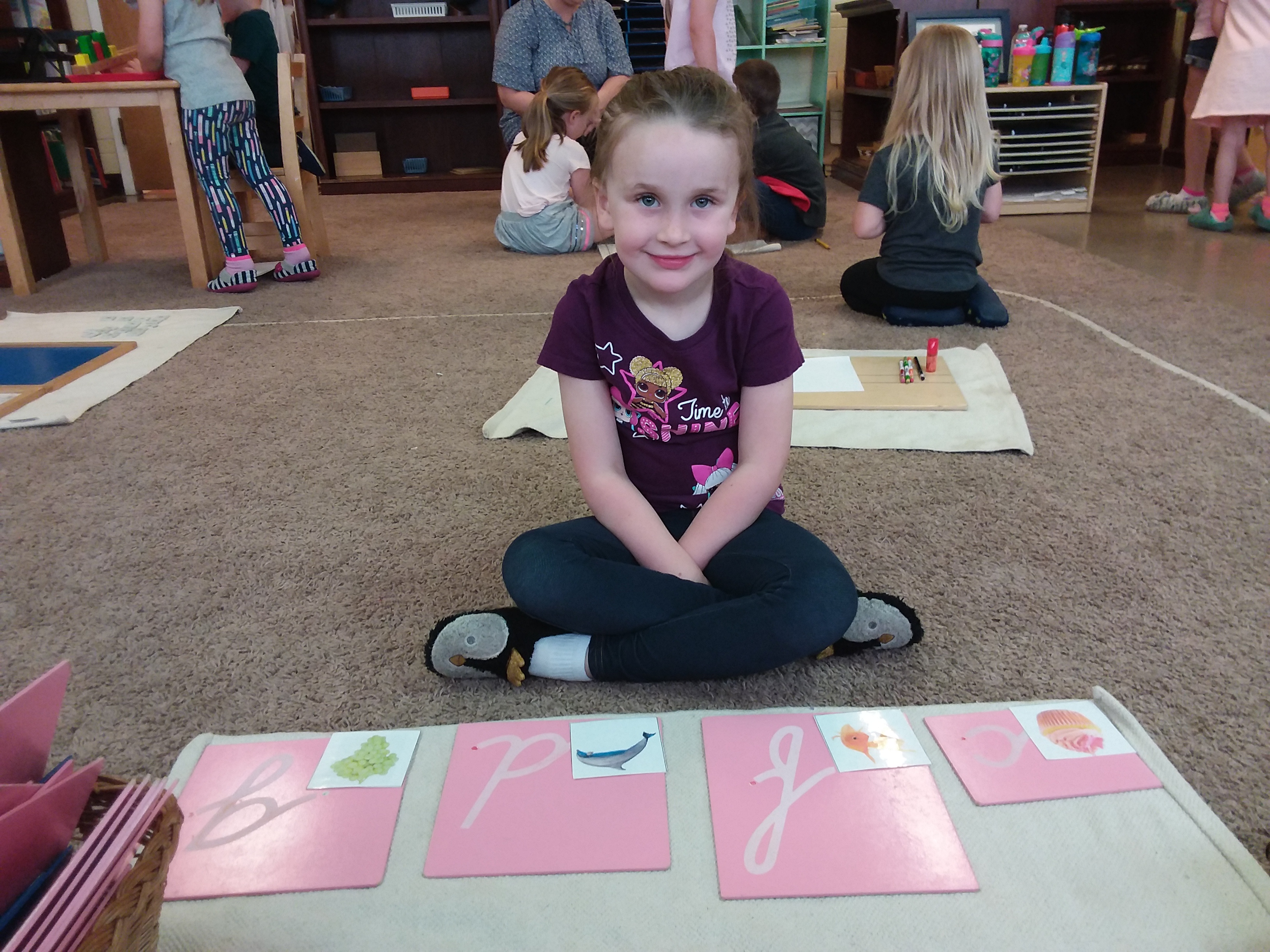
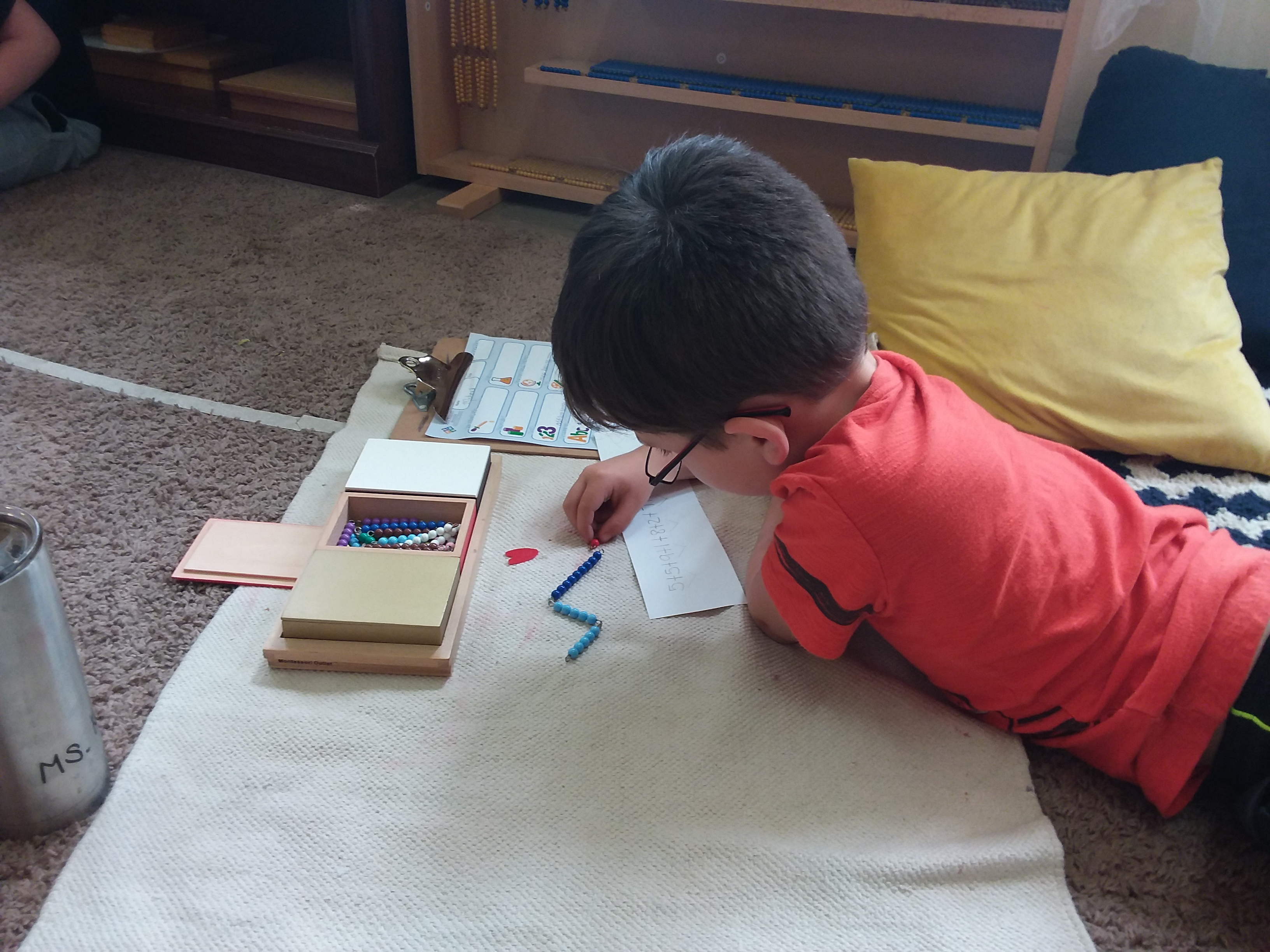
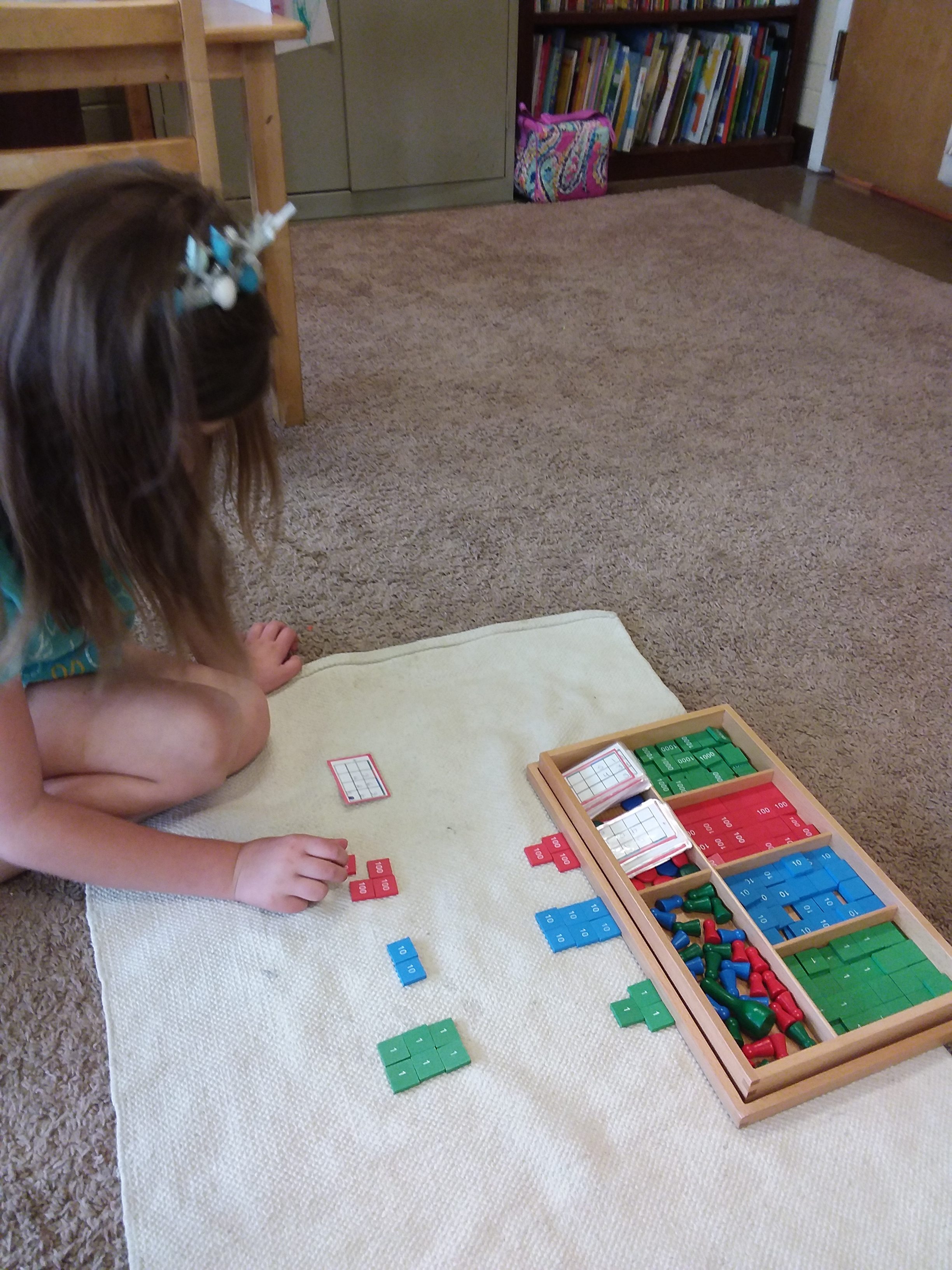
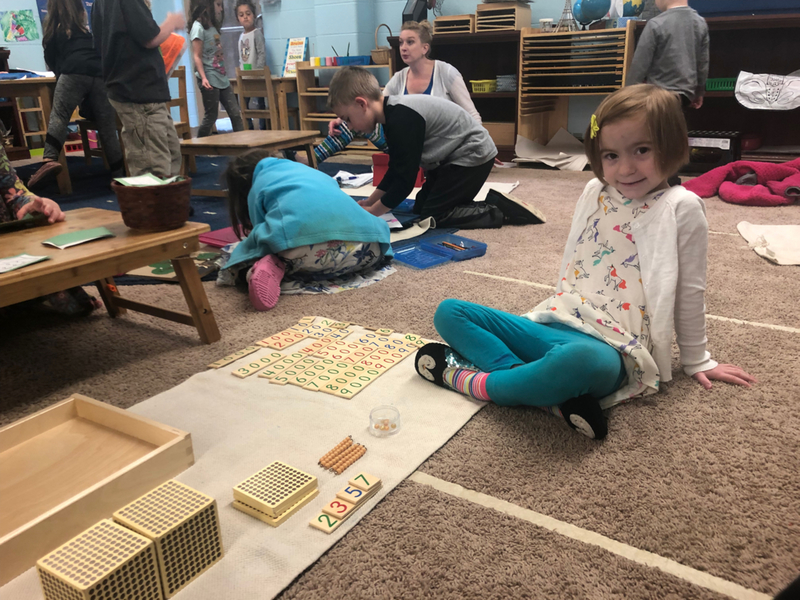
When working on the geometric solids the child will use the appropriate languge for each geometric solid.In the early stages, the purpose of the Binomial Cube is less focused on the complex mathematics behind the material, and rather is to provide a challenge for a child’s ability to find patterns and relationships between the blocks. Our cutie here is working on our sandpaper letters. When working on this it teaches the sounds of the alphabet by means of muscular and visual memory. When working with the Addition Snake game the child is able to memorize their addition math facts in a fun way!!The goal of this work is to turn the colorful snake into a golden snake by counting to ten! The Stamp game directly corresponds to the golden bead material which gives the child exposure to the decimal system. It is just more abstract, yet concretely demonstrates the maths process to young children. It prepares the child for pencil and paper work, and memorization of facts.
REMINDERS;
Tomorrow is book share day!!
If you haven’t turned in your permission slip yet for the field trip, they are due TOMORROW!!
Lesson: Interjection- An interjection is a part of speech that demonstrates the emotion or feeling. These words can stand alone, or be placed before or after a sentence. You’ll notice many interjections are followed by an exclamation point when excitement or strong feelings are present. When the feeling is not as strong interjections are followed by a comma and/or a period.
Senioritis or kinderitis? Actually, I just told them we were not doing the use of the grammar symbols on this day. That is why thew long faces.
Cultural Subjects: We can now count to ten in 28 different languages (English, Sign Language, Latin, Spanish, German, French, Greek, Japanese, Arabic with the Lebanese Dialect, Italian, Russian, Romanian, Swedish, Tagolog, Hebrew, Korean, Hungarian, Irish, Kiswahili, Welsh, Dutch/Flemmish, Polish, Serbo-Croation, Cebuano, Malay, Hindi, Farsi, Turkish).
Next Week: Line Time: End Of Sentence Punctuation
Sight Words of the Week: there their
Synonym of Week: BRIGHT (shiny, glowing, dazzling, lighted, vivid)
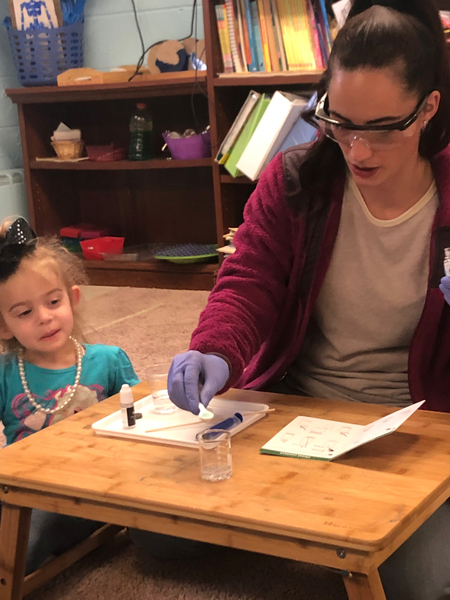
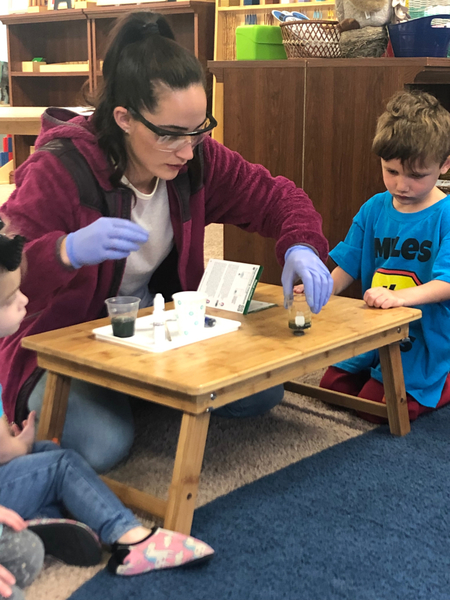
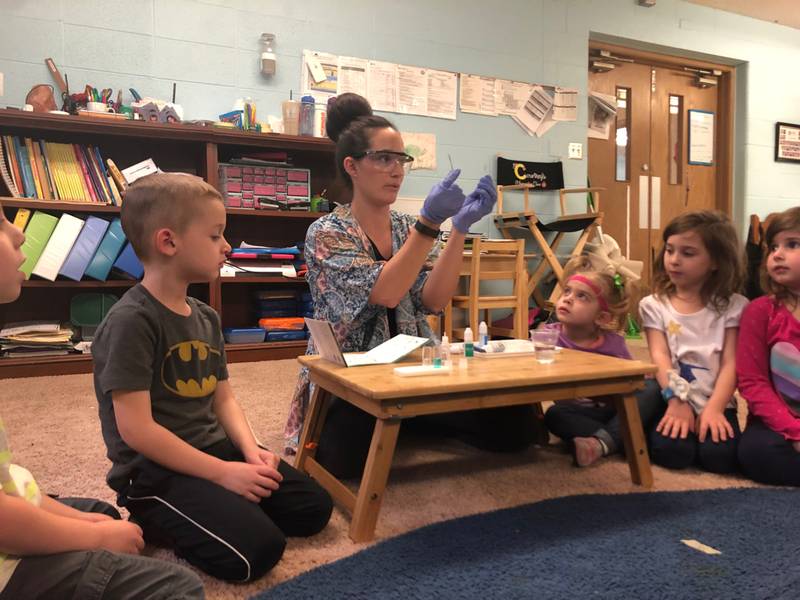
Magnetizing magnesium: We made a solution with magnesium and iron (ferrous sulfate FeSO4). When we placed a magnet underneath the particles became magnetic because the Fe2+ from the FeSO4 solution turns into metallic iron Fe on the surface of the magnesium particles, while the Mg turns into Mg2+ and ventures out into the solution.We basically ended up with magnesium shavings covered with a thin layer of iron which will stick to a magnet.
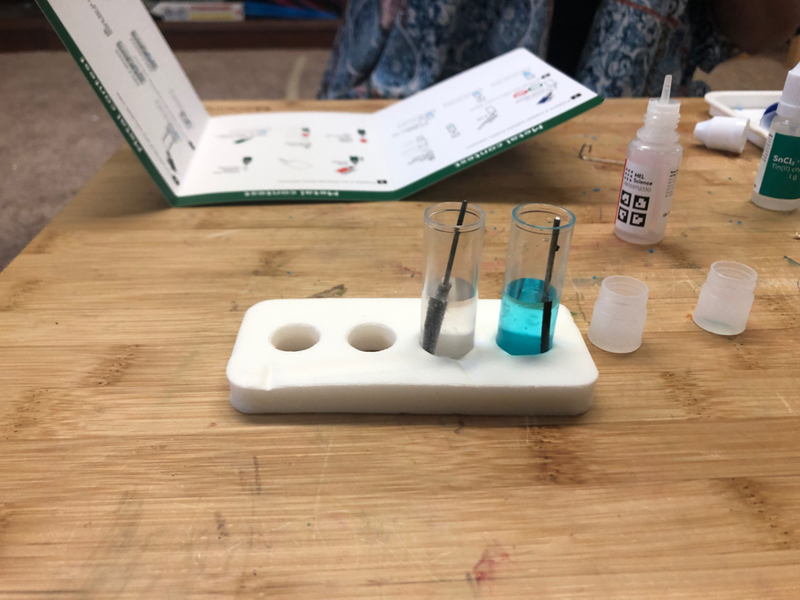
Metal contest: First we prepared a copper sulfate CuSO4 solution and a tin chloride SnCl2 solution. Then we put pieces of zinc into both vials. When we put a piece of zinc wire into the solution of copper sulfate we watched a deposit of metallic copper form on the piece of zinc. The zinc forced copper out of its salt composition. The same happened in the vial with the zinc wire and the tin chloride solution. However, we noticed that the vial with the tin wire in the copper sulfate solution reacted slower than the tin chloride solution.
Pronoun: The kindergarten students learned that a pronoun is a word that takes the place of a particular person or thing. For example the word “dog” is a noun and the words “it” “she” and “he” are pronouns that can replace the noun “dog”.
Cursive Handwriting: The students practiced writing the lowercase cursive words: cot, bag, stop, frog, bell, will.
Australia is the smallest of the seven continents. It is just one country surrounded by water. Australia is called the land “down under” because it is located under the equator. It has two big cities Sydney and Melbourne. The central part of Australia is called the “outback.” Australia produces more wool than any other country.
Asia is the biggest of the seven continents. It has more people living on it than all of the other continents combined. Asia has many different kinds of land such as: tundra, evergreen forest, wide grasslands, sandy deserts and tropical rain forest. The highest and lowest places on Earth are found in Asia which are Mount Everest and the Dead Sea.
Antarctica is an icy continent with no countries or people. Most people who do visit are scientist or visitors who are observing all the amazing animals and the climate. Antarctica has tall mountains that are covered by snow and ice. It also has thick sheets of ice and giant ice chunks known as icebergs.
Work Time
Blending: This child is sounding out words by slowly saying each sound in different words (m-a-t) and then saying the sounds quickly together to “read” the words (mat).Composing Quantities: This child is practicing the sequence of numbers in the decimal system units, tens, hundreds, and thousands and recognizing what different quantities look like.Addition: These children are using the golden beads to discover that when you put two small numbers together you get a larger number and that this process is called addition.Addition Snake Game: This child is learning to identify sets of 10 by changing the colored snake into a golden snake. She is learning addition facts such as 4+6, 7+3, 5=+5 all equaling 10.