Weekly Enrichment Spotlight
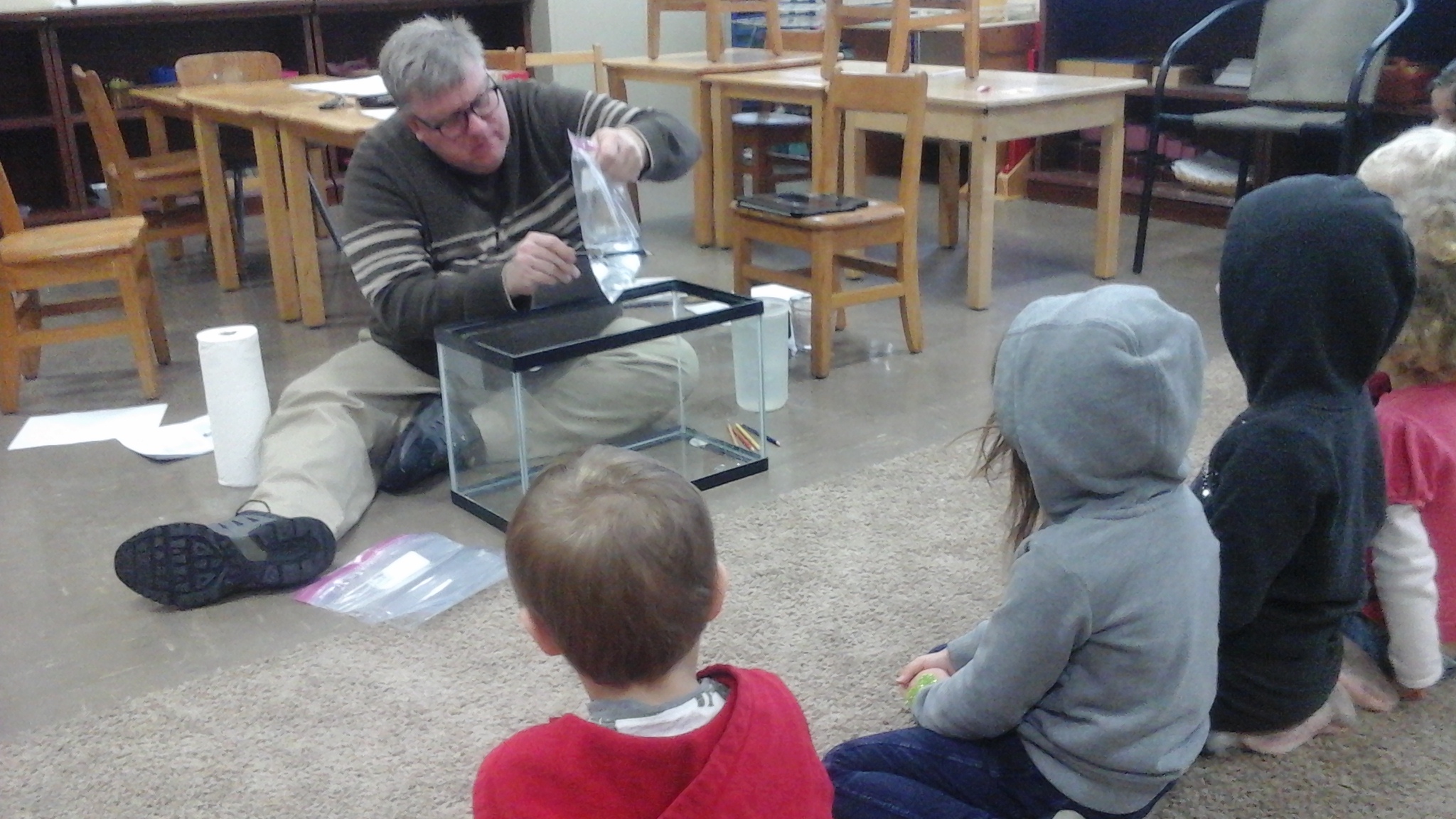
In science class, Mr. John taught us about polymers. He poked holes in a bag with pencils, and the water did not leak out! Thank you for such a fun experiment!
Weekly Enrichment Spotlight
In science class, Mr. John taught us about polymers. He poked holes in a bag with pencils, and the water did not leak out! Thank you for such a fun experiment!
Welcome to February! This week, I was reminded of the importance of humility, and that the students are always watching. Each Monday, we give new math lessons. This Monday was especially challenging with many of us being up late to watch the Super Bowl. For some reason, I had planned to present a lot of challenging math that day, as well. By the end of the week, I had two third graders get a long division equation correct, while I was wrong, and was unable (at first) to figure out the problem in an abstract square root equation that a sixth and third grader were stuck on. In both cases, it would have been easier for me to whip out a calculator to find the answer instead of solving it on paper like the kids had. But what would they learn from that? That I get to take the easy way out, while they have to check and recheck to find their mistakes? How would that prepare them to persevere as adults? Instead, with each group, I took the time on paper, using their work and mine, to walk through the equations to find the mistakes. In the case of the square root, it took us over thirty minutes, but we pushed through, we talked through it, we consulted others, and we finally got it – together. Think about all of the life lessons they each learned in those extra few minutes that we didn’t really have to take. Give children something great to imitate.
Lower Elementary
Upper Elementary

REMINDERS:
Line Time:
The class went green for the week learning about recycling, conserving energy, and pollution. I explained that pollution was anything that made our environment dirty. We learned there is littering. Littering can be people throwing trash on the side of the road or dropping a candy wrapper in the woods. We now know that we need to put trash in an appropriate container. We learned that air pollution is created by factories’ smokestacks and cars exhaust, but cars are just one of the factors that produce air pollution, there are also other reasons. Water Pollution is caused by factories dumping chemicals in the water or people throwing trash in the water instead of putting it in a trash can. The 3 R’s were introduced and now we all know to reduce, reuse and recycle! We thought of ways to conserve energy. We came up with turning off lights in rooms we are not in or turning off the TV if we are not watching it. We thought of turning off the water while we are brushing our teeth or turning down the heat and wearing a sweater instead. During the kindergarten lesson a student realized the room was just as light with the lights off as it was if the lights were on. Now we do our kindergarten lesson without lights.
What’s The Diff:
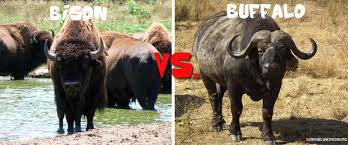
What is the difference difference between a bison and a buffalo?
Cultural Subjects:
Your children can now count to ten in 21 languages (English, Latin, Sign Language, Spanish, German, French, Greek, Japanese, Arabic with the Lebanese dialect, Italian, Russian, Romanian, Swedish, Tagalog, Hebrew, Korean, Hungarian, Irish, Kiswahili, Welsh, Dutch/Flemmish).
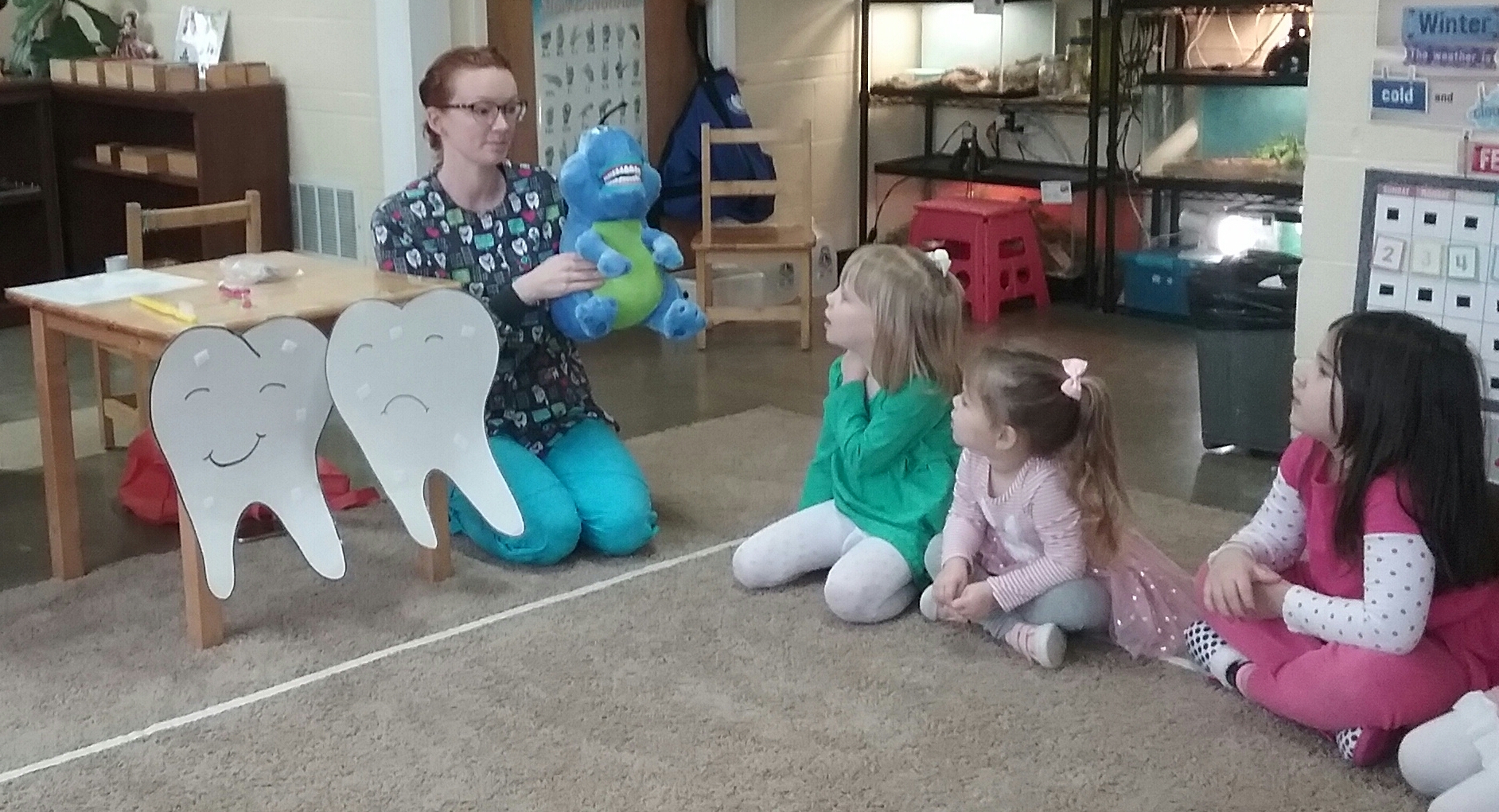
A visit from the Dental Hygienist:
Peek In The Classroom:

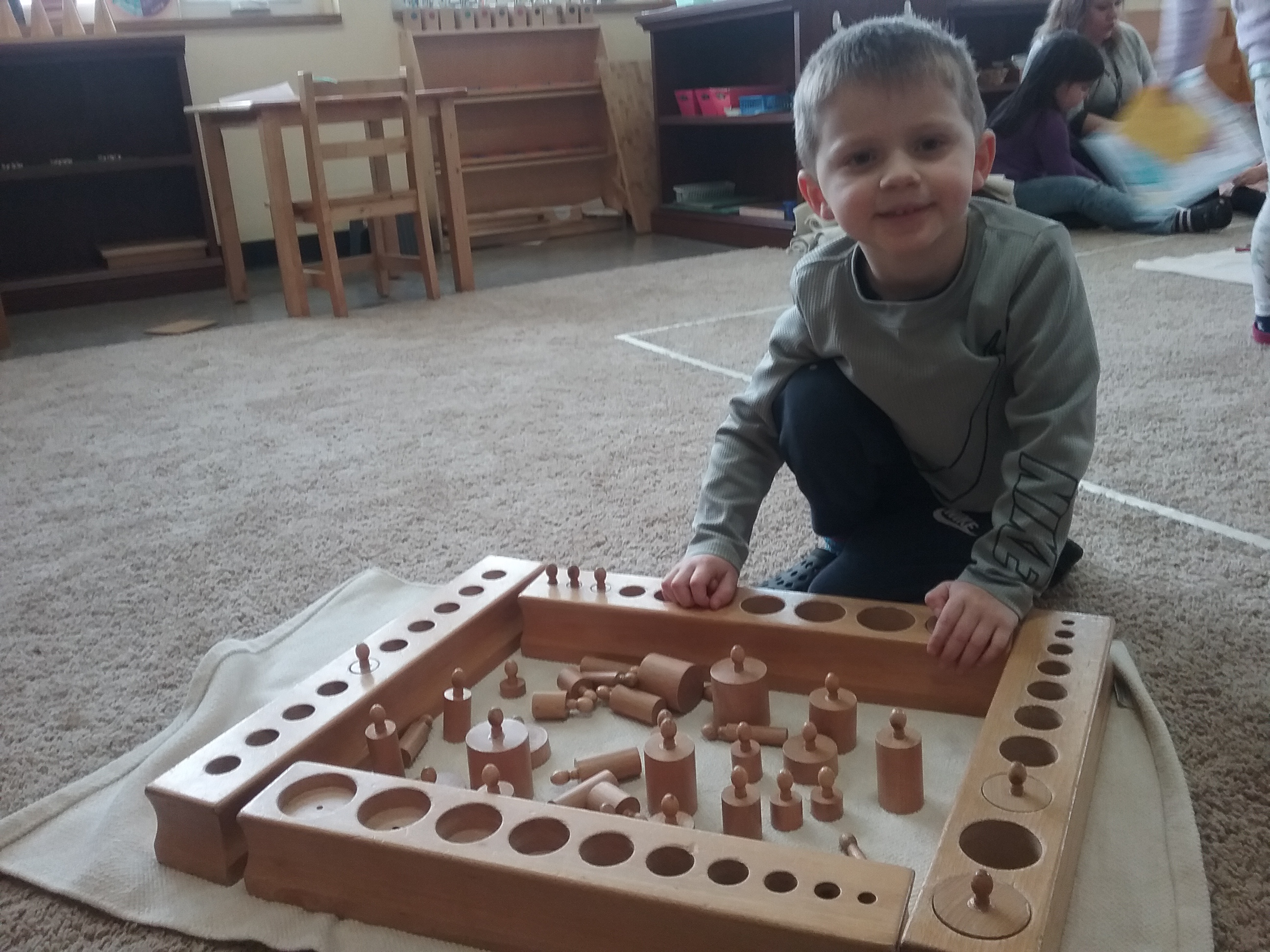
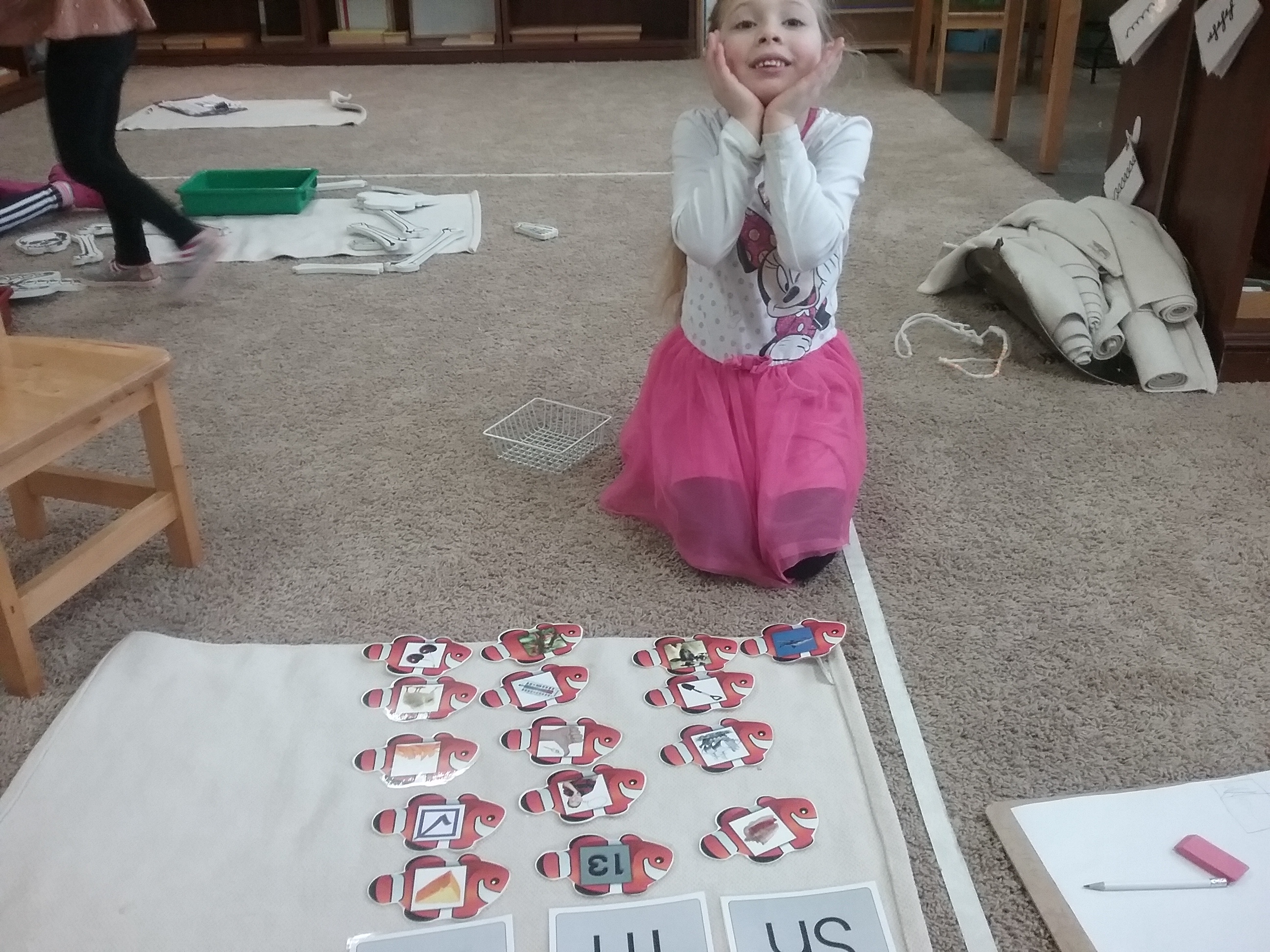
Peek Into Next Week:
Line Time- Presidents of the USA
Letter Of The Week- T t
Rhyming Word Of The Week- bed
Next Language is Polish
Upcoming Events:
Valentines Party: Friday, February 14, 2020
NO SCHOOL: Monday, February 17, 2020
Akron Art Museum Field Trip: Thursday March 12, 2020 (morning) … Save the date, it is a FREE field trip! Details to follow.
Friends, Frolic, and Fun:
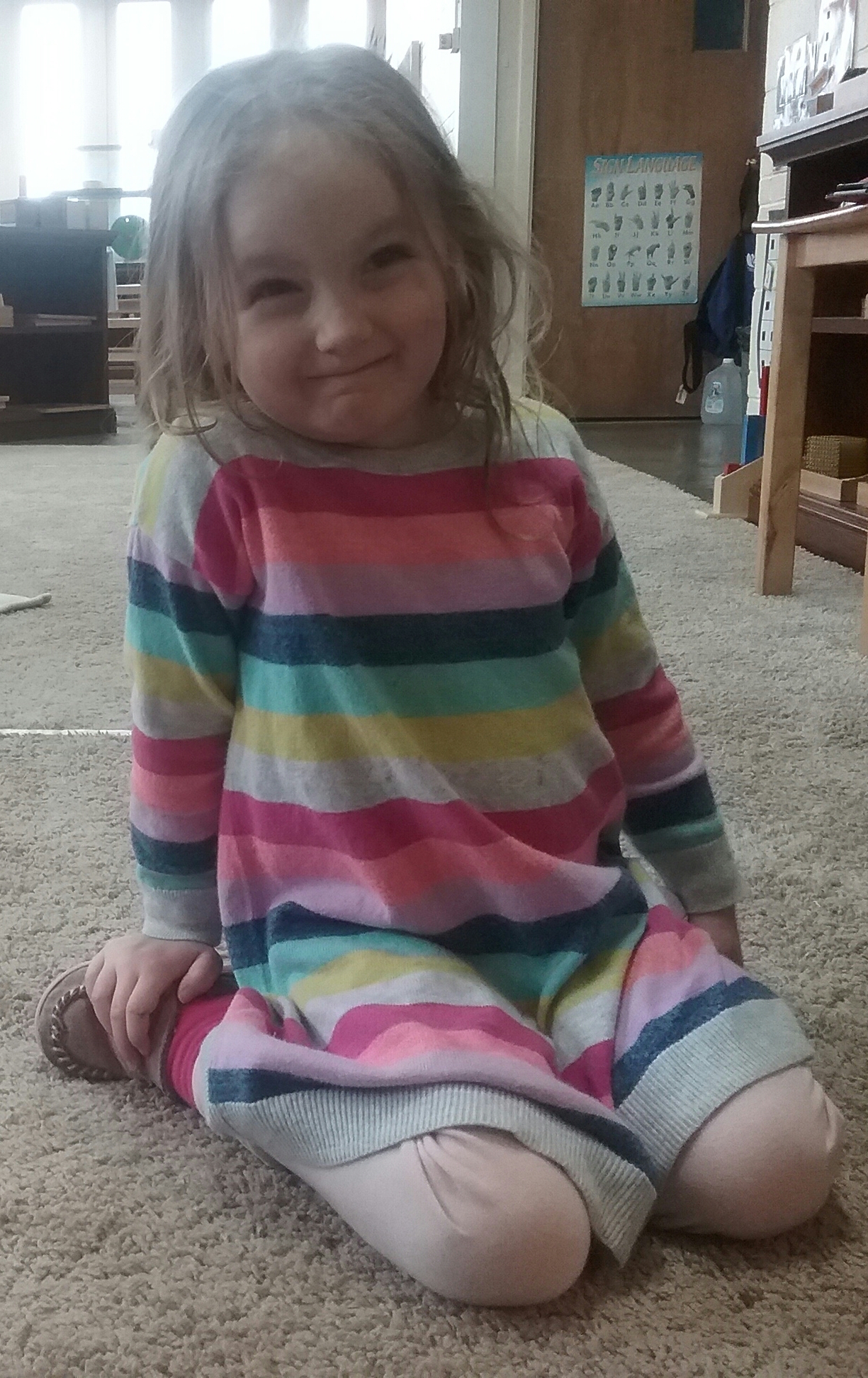
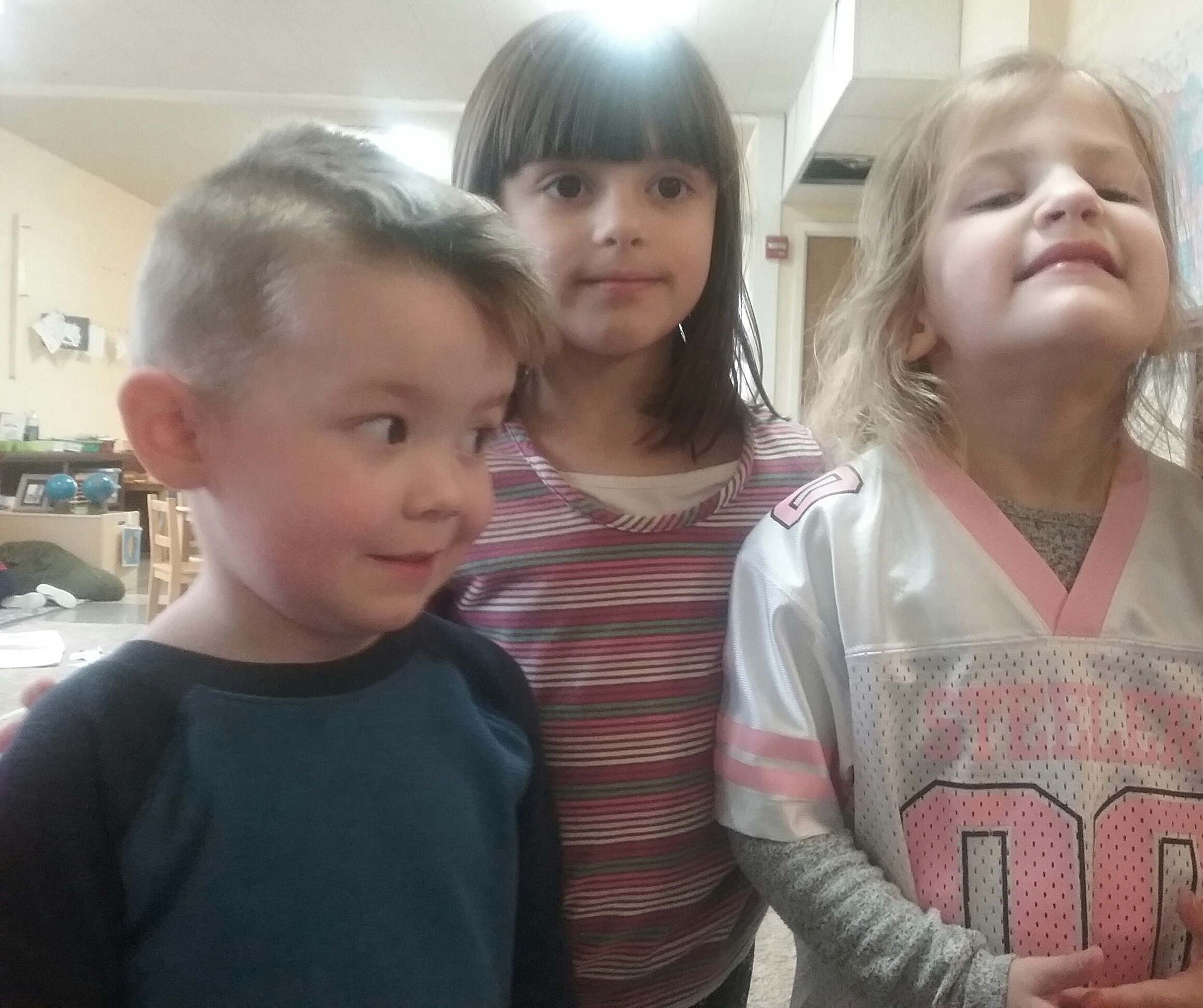
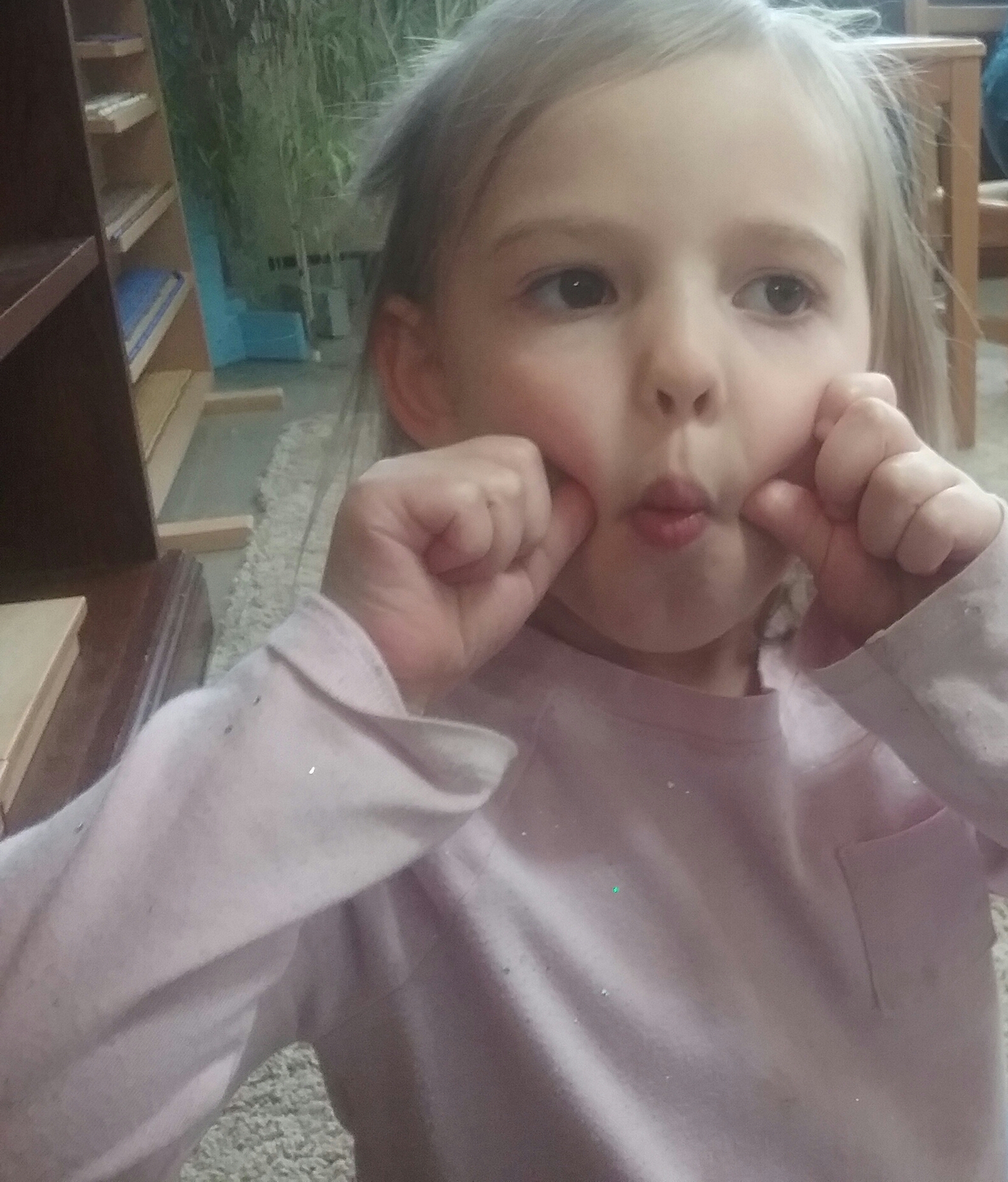

Weekly Enrichment Spotlight
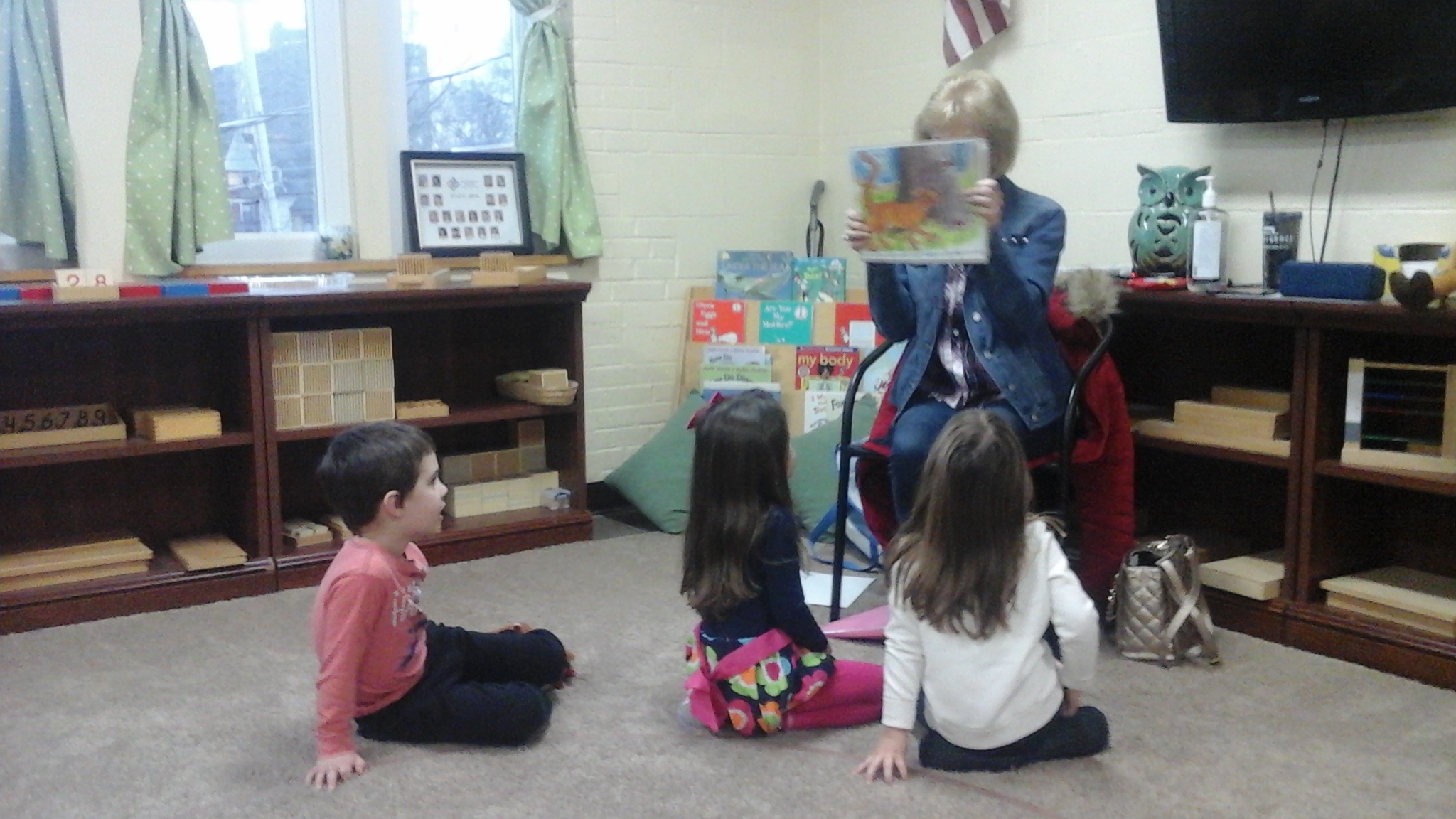
The past few weeks in music class, Ms. Lisa has been teaching us about the different instruments used in the story, Peter And The Wolf.
Weekly Theme:
This week we discovered many geometric shapes such as there are 3 basic triangles (scalene, isosceles, equilateral). we discovered the trapezoid, chevron, rhombus, and a square is a special rectangle., polygons, and that all four sided shapes are called quadrilaterals.

Handwriting:
We practiced writing in cursive writing sentences (sometimes silly sentences).
Cultural Subjects:
We now can count to ten in 23 languages (English, Sign Language, Latin, Spanish, German, French, Greek, Japanese, Arabic with the Lebanese dialect, Italian, Russian, Romanian, Swedish, Tagolog, Hebrew, Korean, Hungarian, Irish, Kiswahili, Welsh, Dutch/Flemmish, Polish, Serbo-Croation).
Next Week:
Weekly Theme: Geometry, Geometric Solids
Synonym Of The Week: Fat: overweight, big, bulky, heavy, plump
Sight Words Of The Week: more these
Language Of The Week: Cebuano
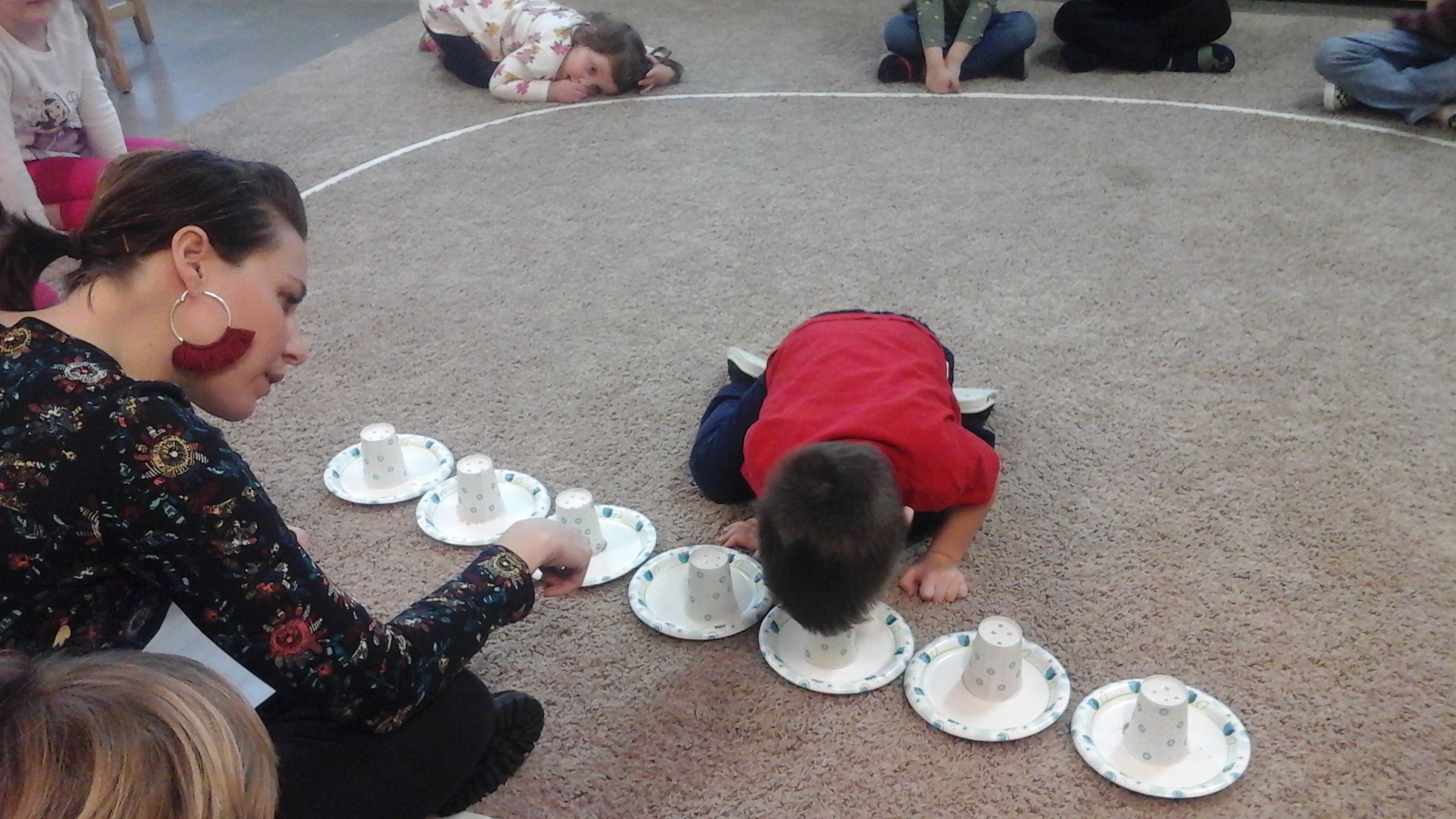
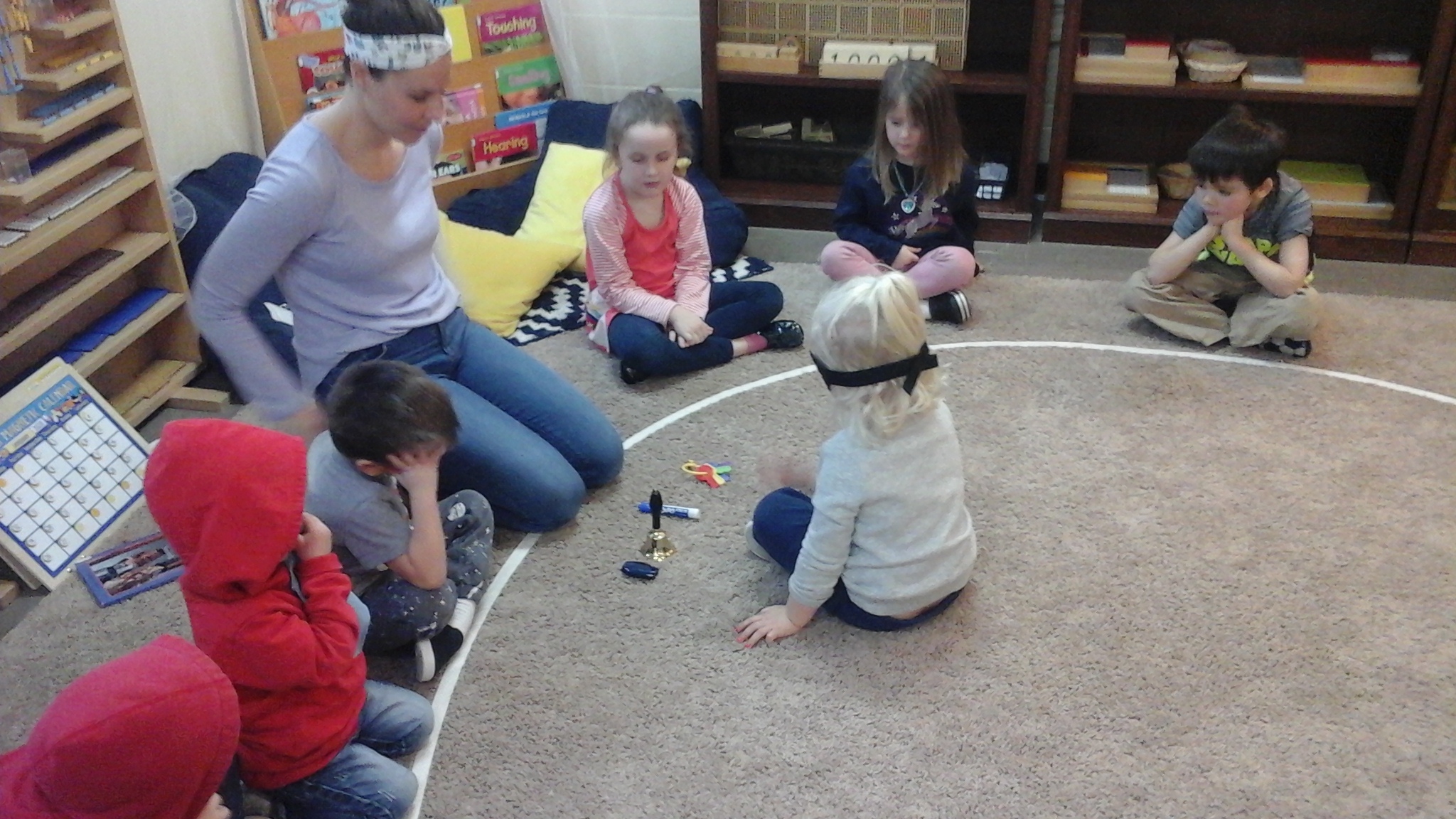
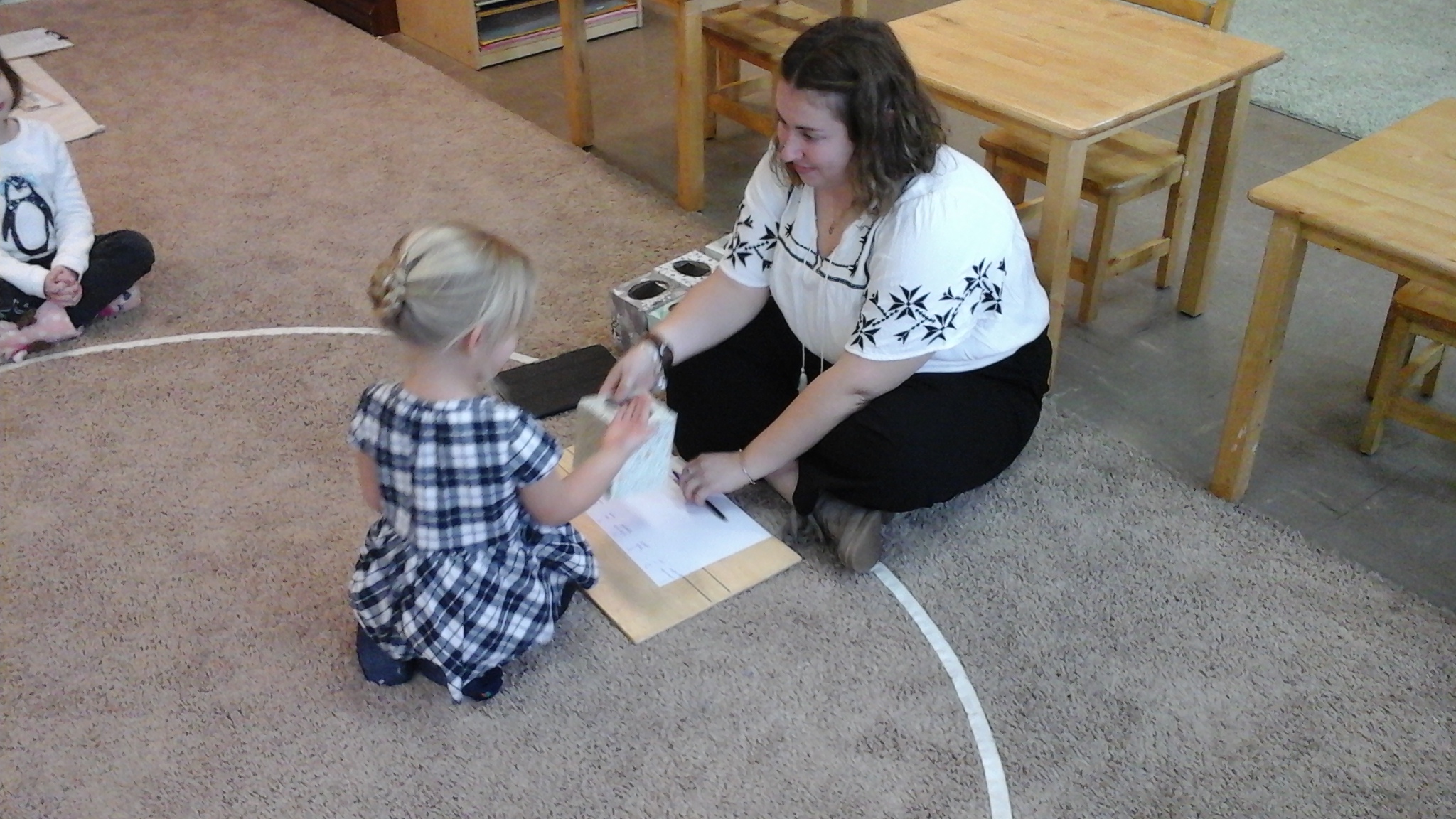
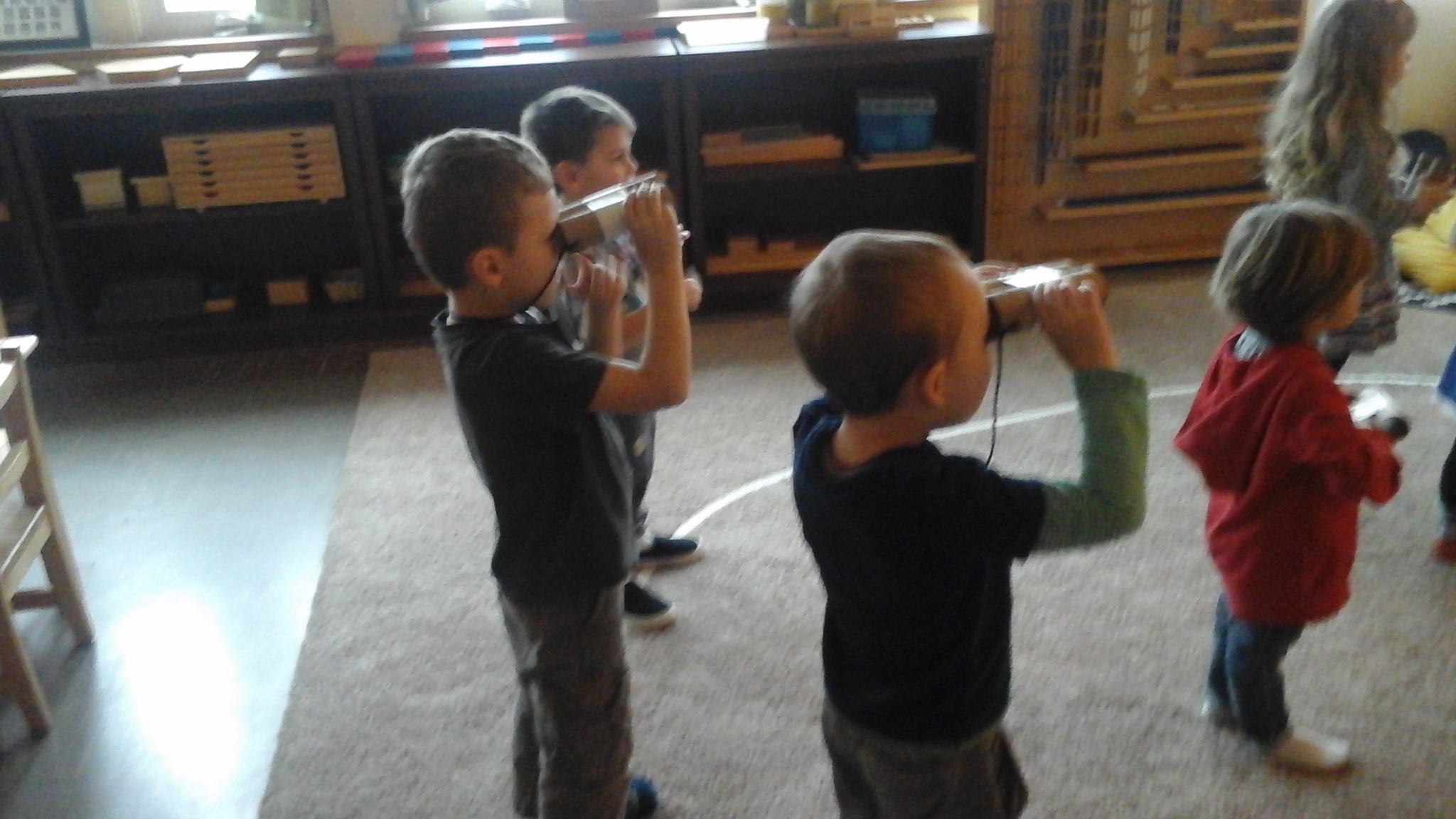
Oh what a fun week we had this week! Our weekly them was the 5 senses!!They had a blast doing different activities such as taste testing different spicy, sweet, bitter, sour, salty, and sweet foods. We also used all of our five senses when we made popcorn!! Some of our other activities that we had fun with was using our sense smell by guessing what food was under a cup,using our sense of touch to match different types of fabrics, and a fun take away game for our sense of sight. Ms. Amanda created fun crafts that went along with each of the senses.
REMINDERS :
We are still in need of a few items for our Valentines day party. So please hop on our sign up!
Weekly Theme:
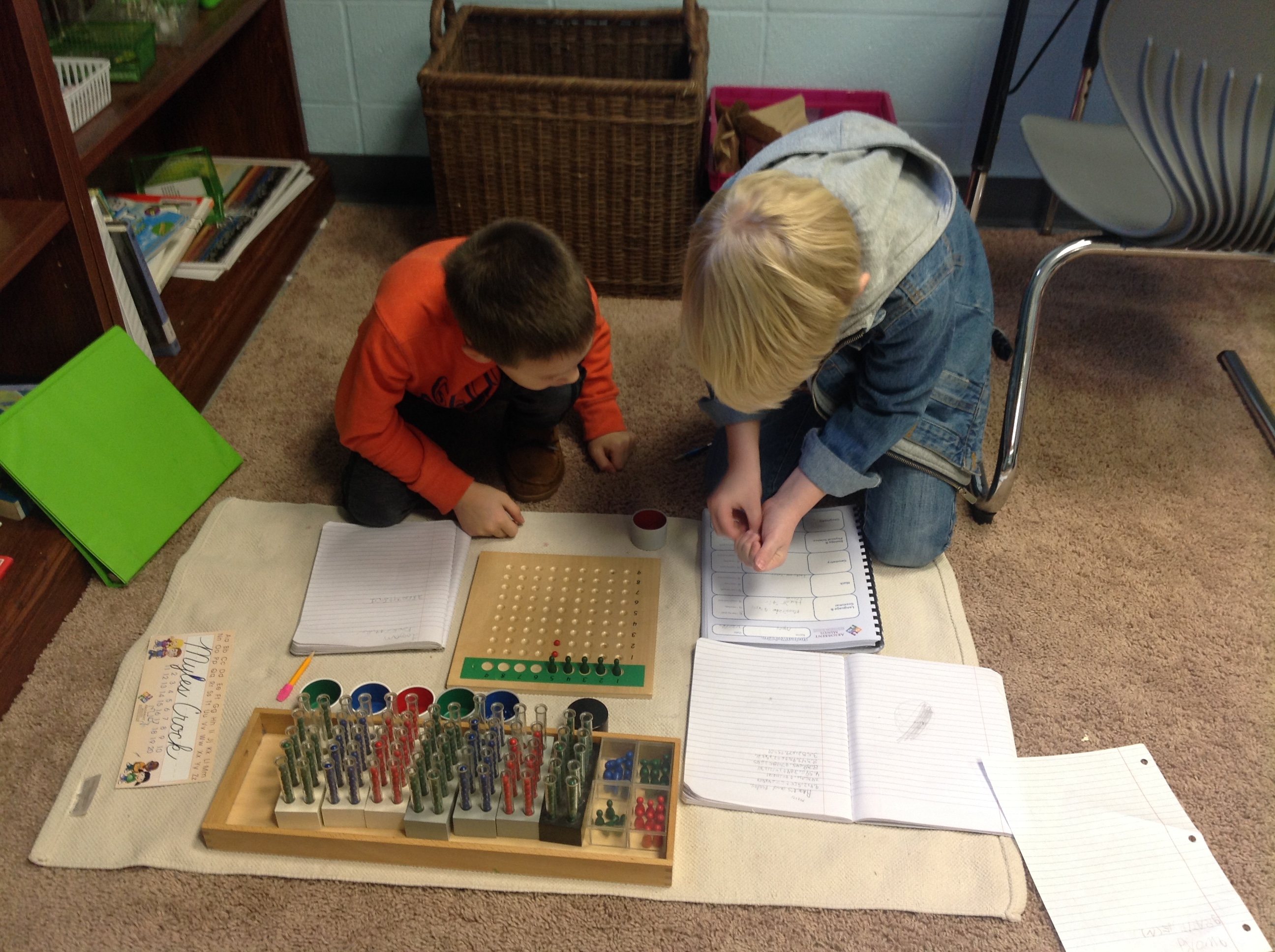
We were introduced to division with manipulatives (golden beads/static, borrowing).

Handwriting:
We practiced writing in cursive writing sentences (sometimes silly sentences).
Cultural Subjects:
We now can count to ten in 21 languages (English, Sign Language, Latin, Spanish, German, French, Greek, Japanese, Arabic with the Lebanese dialect, Italian, Russian, Romanian, Swedish, Tagolog, Hebrew, Korean, Hungarian, Irish, Kiswahili, Welsh, Dutch/Flemmish, Polish).
Next Week:
Weekly Theme: Geometry, Constructive Boxes and Geometric Cabinet
Synonym Of The Week: Skinny: thin, lean, emaciated, scrawny, slender
Sight Words Of The Week: other, some
Language Of The Week: Serbo Croation
Weekly Enrichment Spotlight


In art class, Ms. Dana had us work together to create a picture of Dr. Martin Luther King Jr. We had such a fun time!
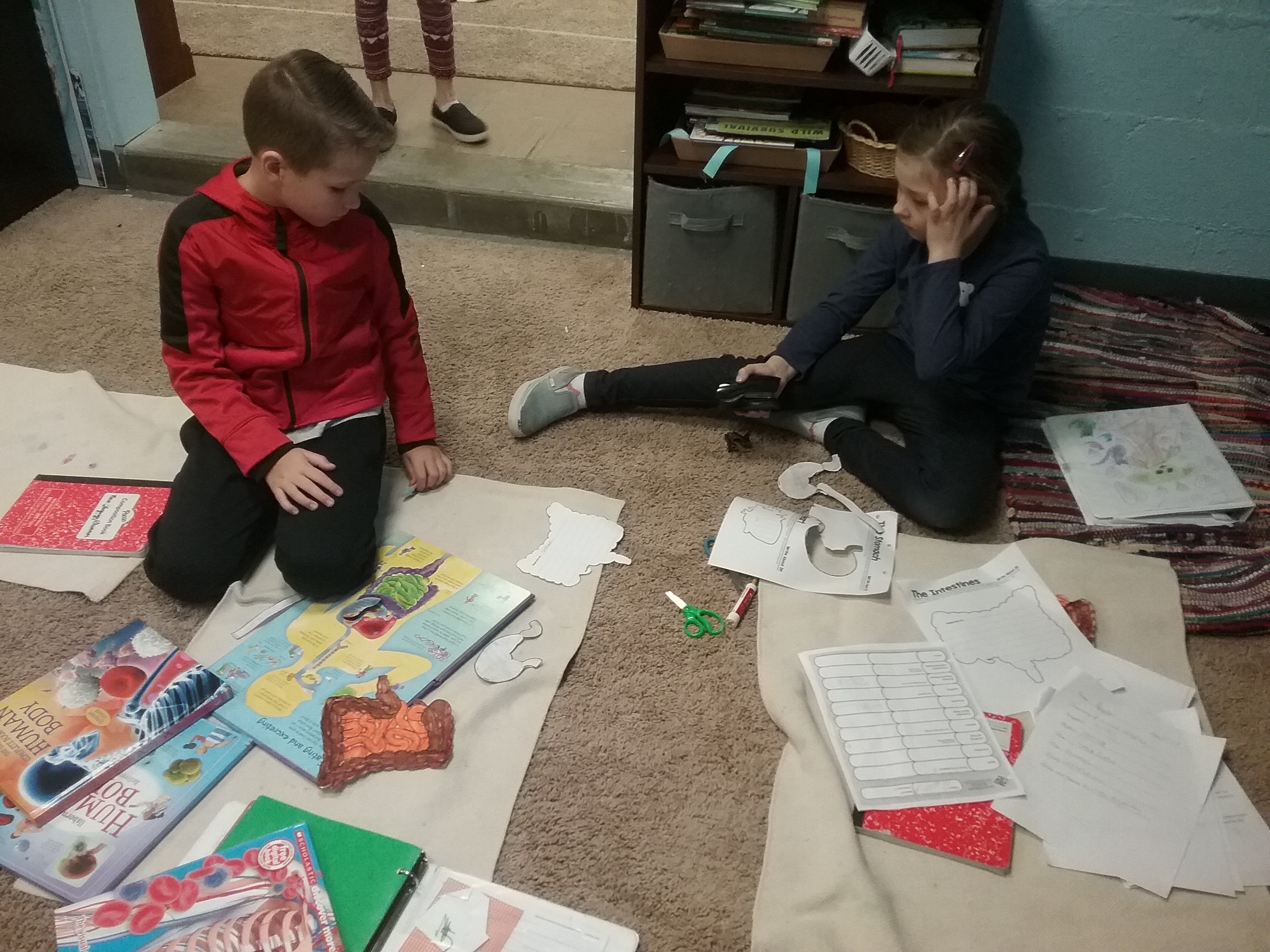
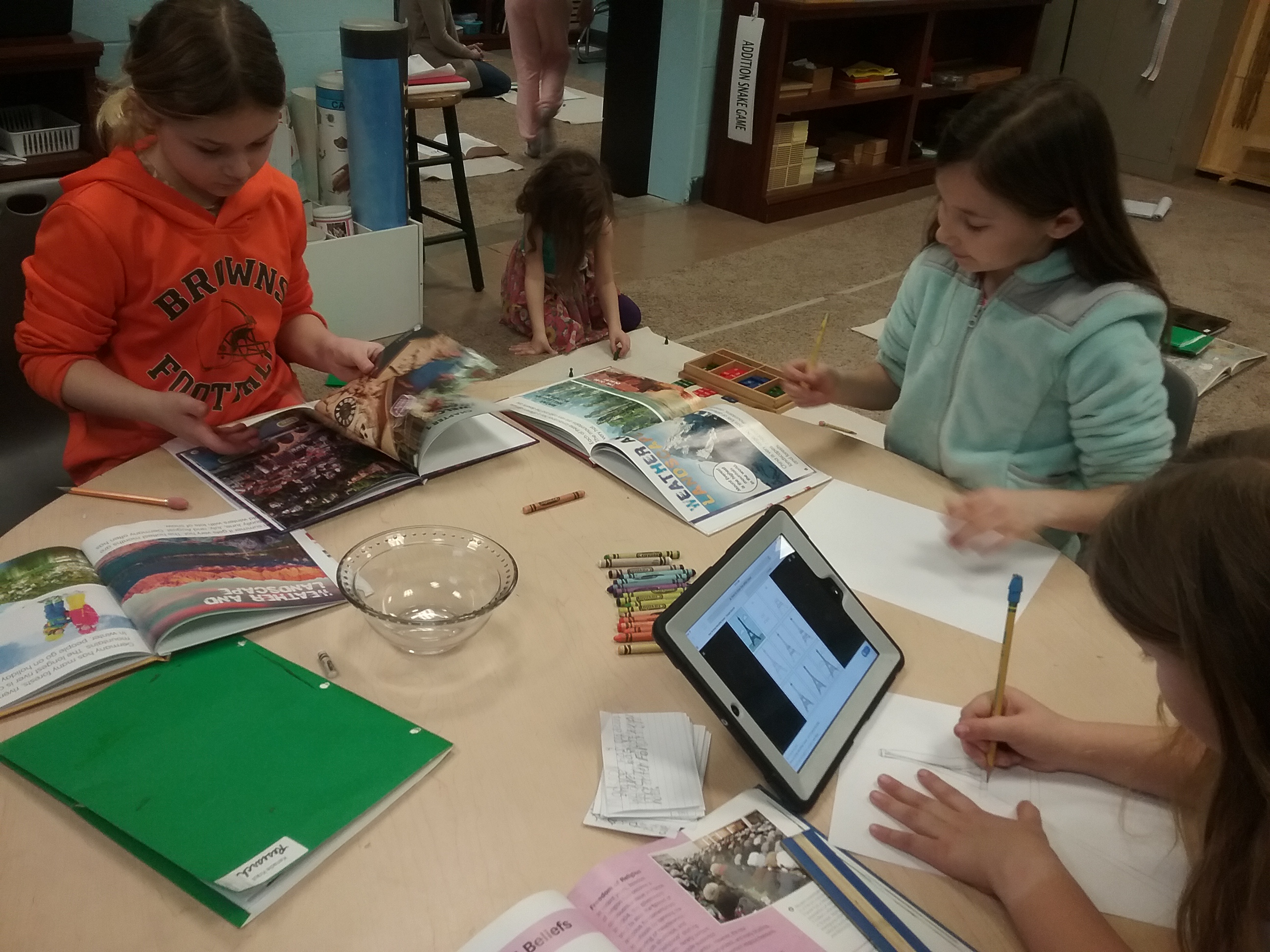
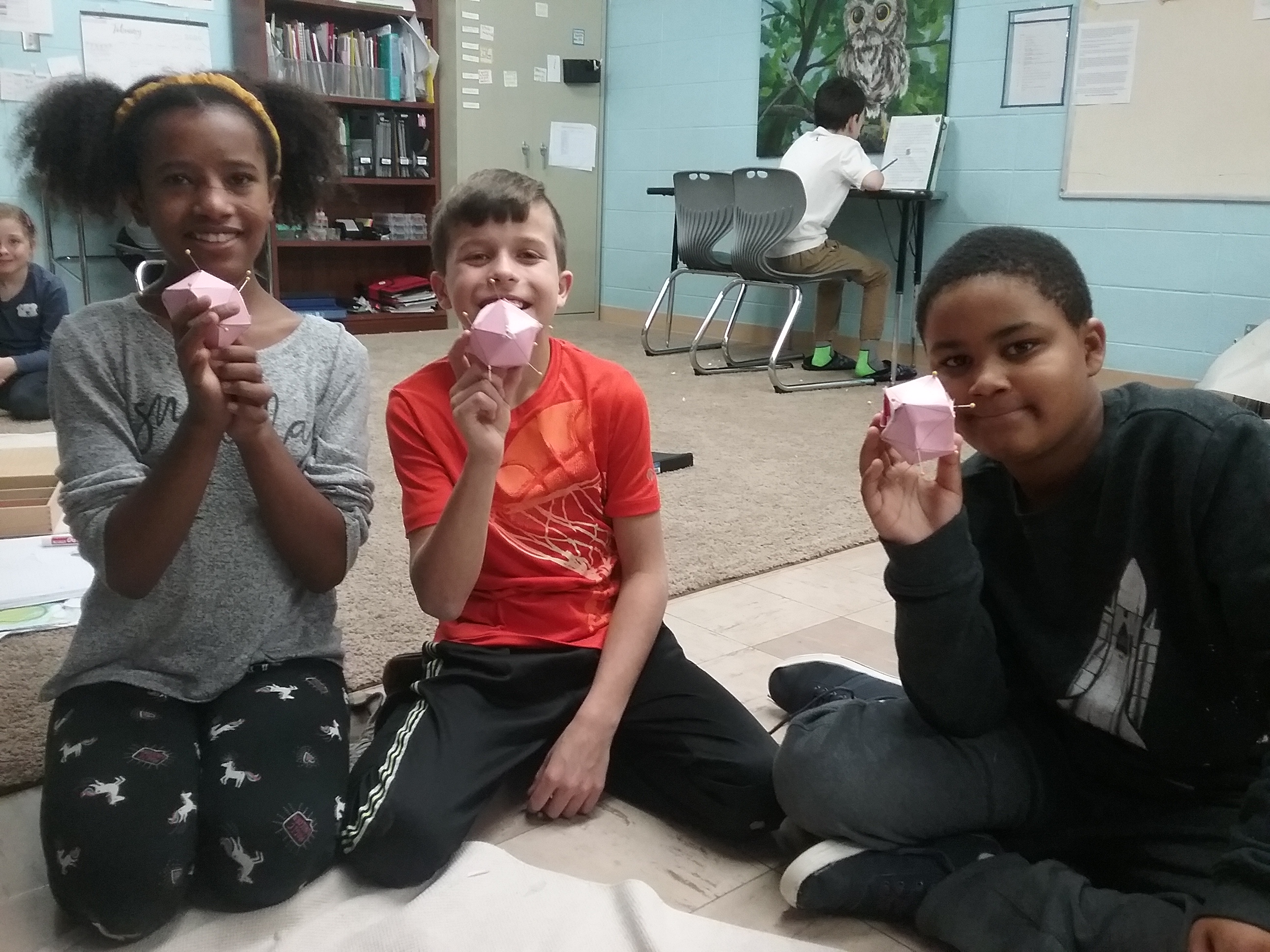
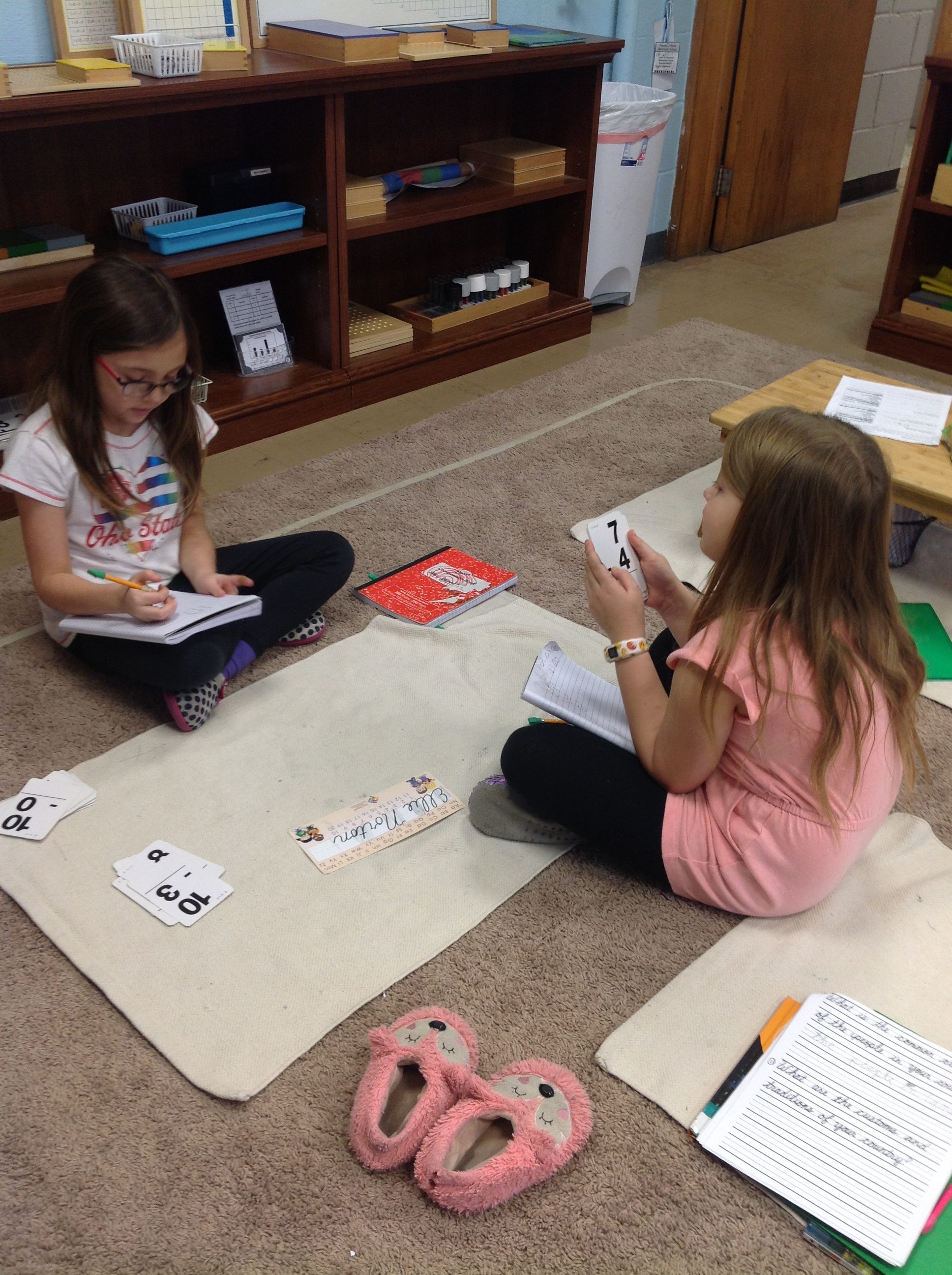
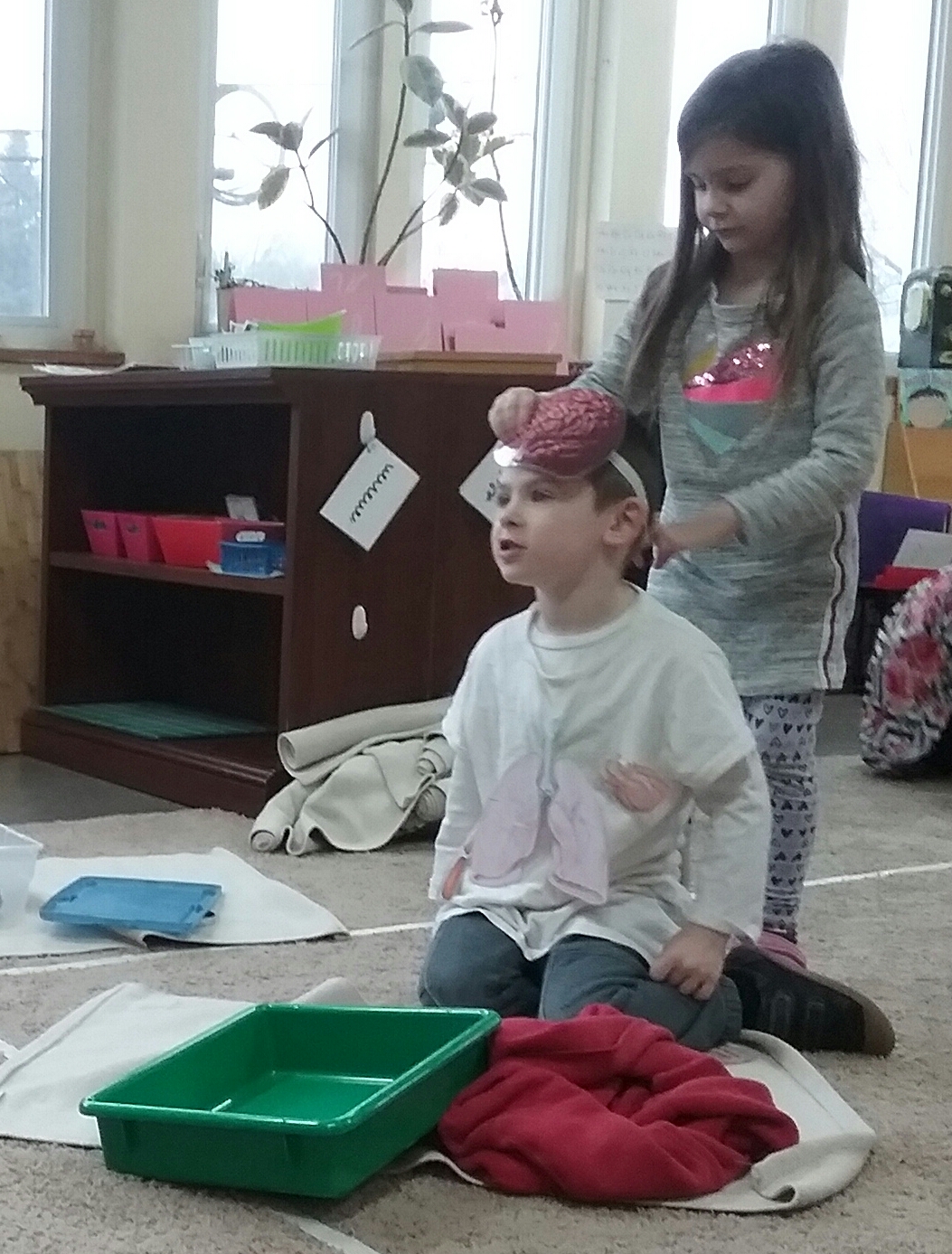
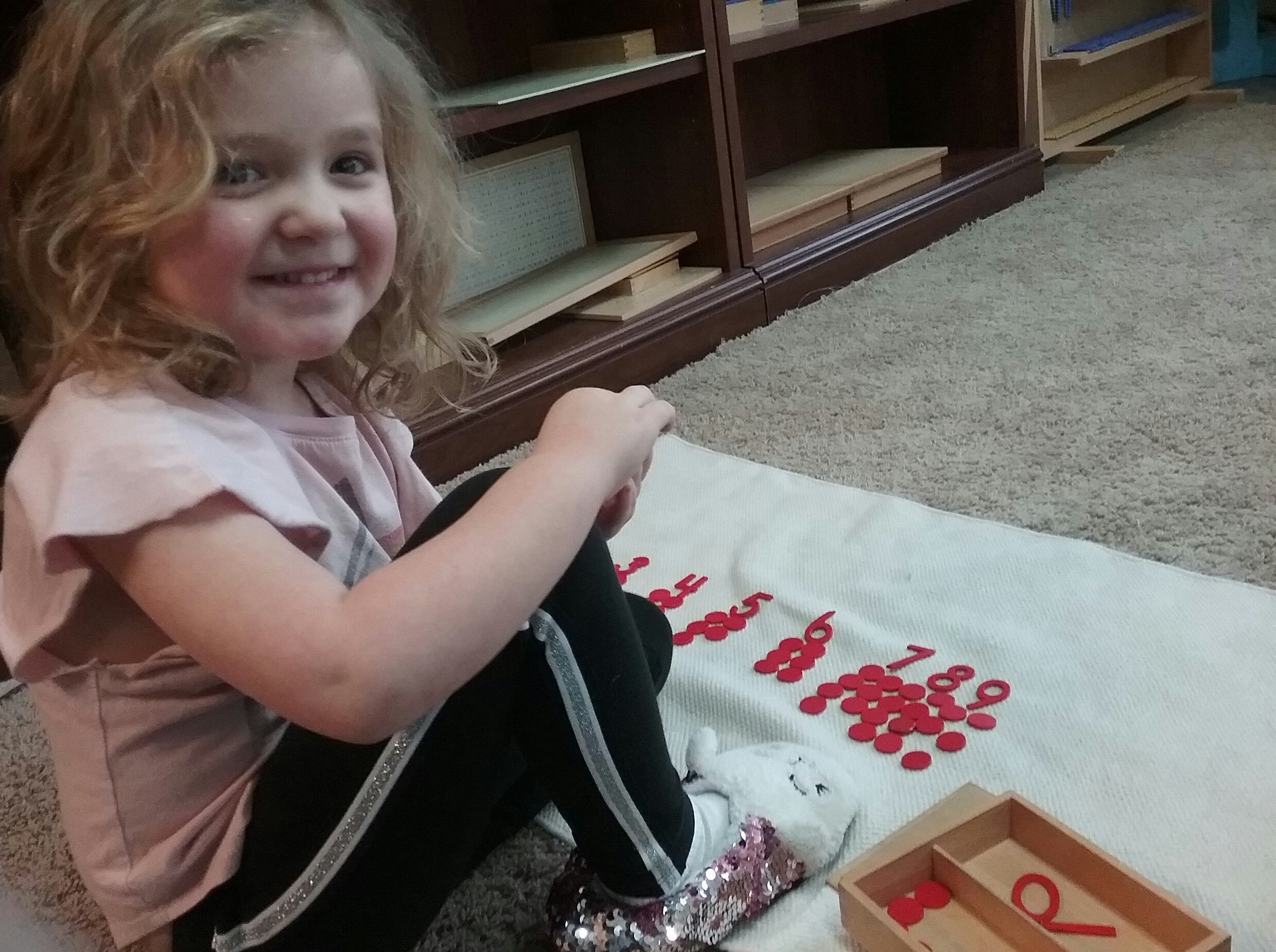
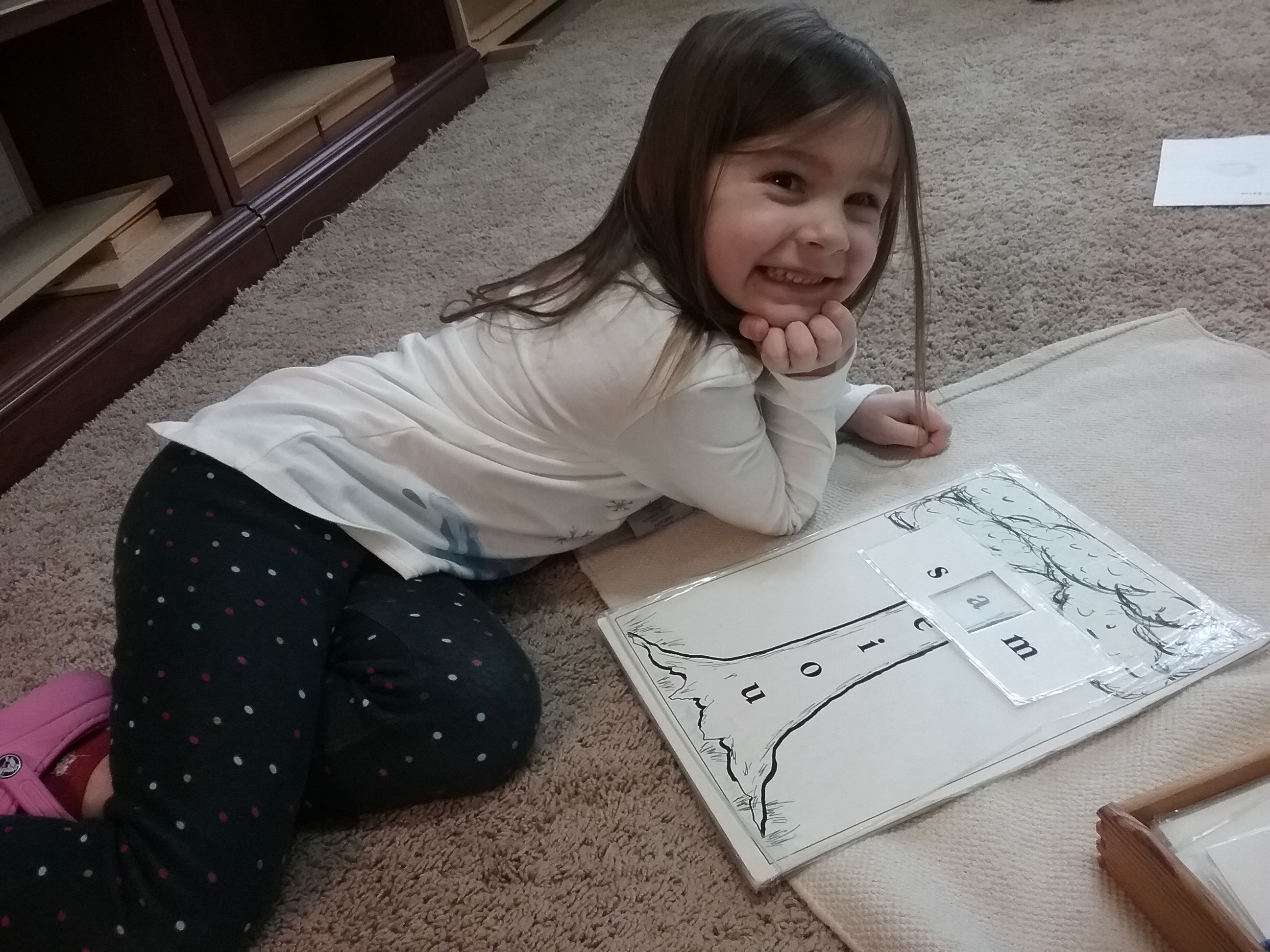
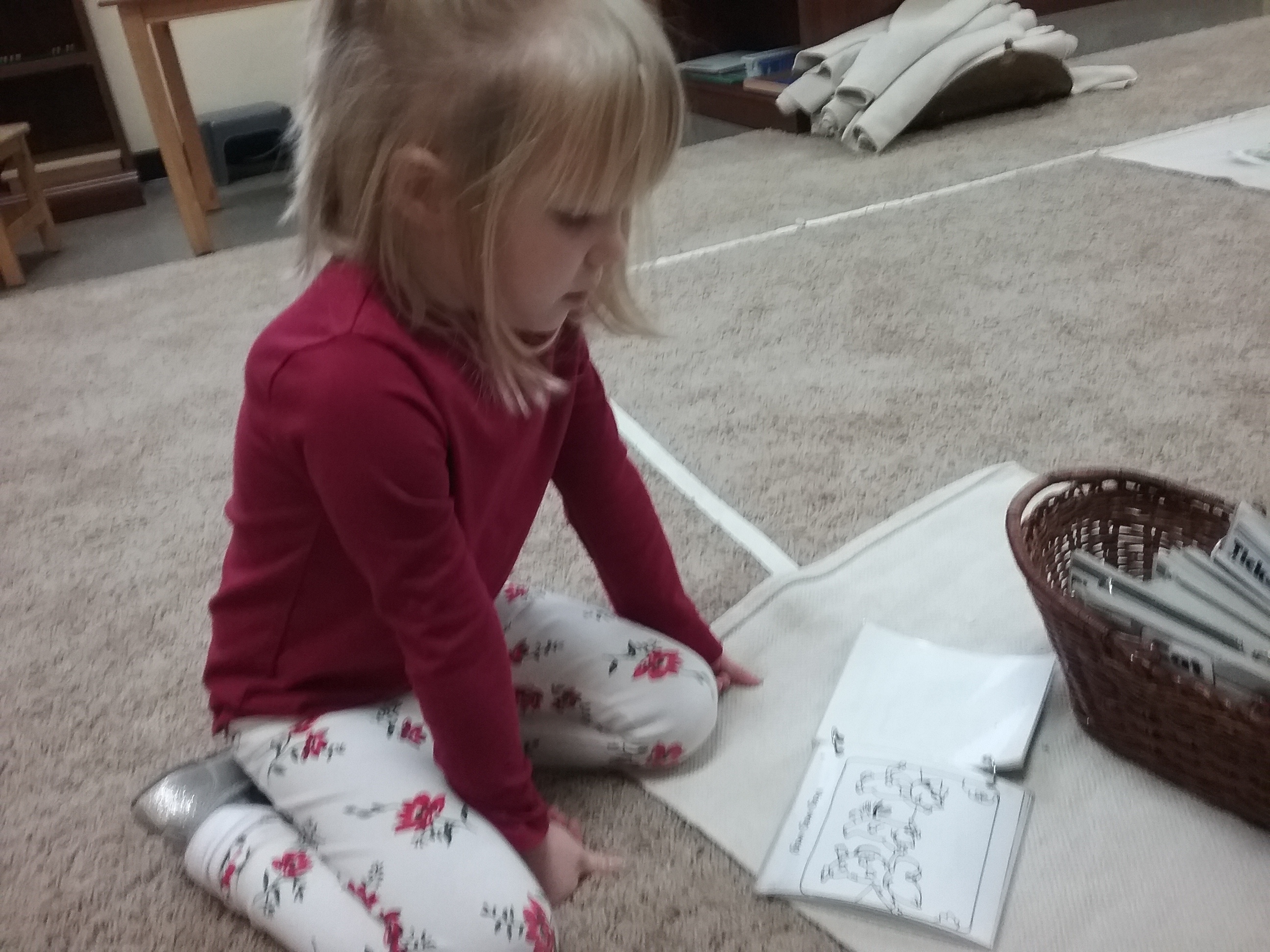
This week our “Peek” was written by our students! These students read our previous blogs, took pictures around the room, and filled in a blog template. The students did some editing together, and with a teacher, so what you will read below is their final product. There are still some misspelled words in their final product, but in a Montessori classroom we focus on the process, instead of the end result. Dr. Montessori believed when we put all of the emphasis on the final product, we devalue everything leading up to that point. This can discourage repetition which will make mastery of a skill difficult. The purpose of the students writing the blog is to provide you with a glimpse into the room through their eyes, to provide them with practice of real world skills, and to give them a deeper understanding of the materials in the room. We hope you enjoy their work!
This week the first years learned the “Personal Family Timeline.” The second years learned the “Months of the Year.” The third years learned “Taxonomy of Invertibrates.” The forth years learned the “Geometric Decanomial.” The fifth years learned how to “Create-a-City.” The sixth years found missing ciphers in different base systems.
Lower Elementary
Upper Elementary


REMINDERS:
Line Time:
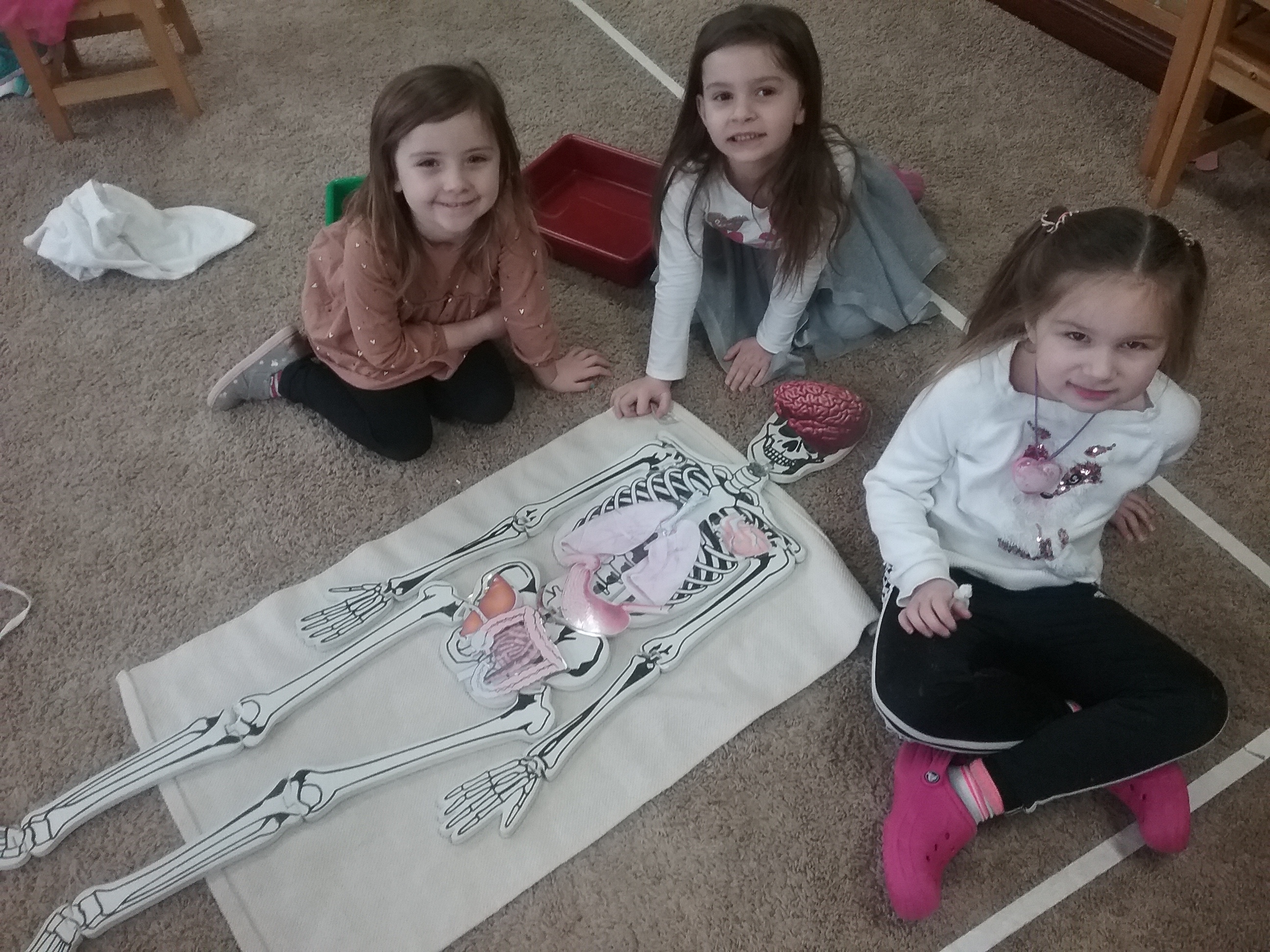
This week we learned a bit about the internal organs. We started with the brain which is like the computer of the body. It tells our body how fast to breathe and how fast our heart should beat. We discovered the lungs help us breathe and puts oxygen in our blood. Our stomach digests food, the small intestines take nutrients out of our food and large intestines gets the remaining water from indigestible food and creates waste (poop) or as I referred to a bowel movement. The kidneys process excess water and creates urine. The liver removes toxins from the body. The liver is my fave internal organ. What is yours?
Did you know?
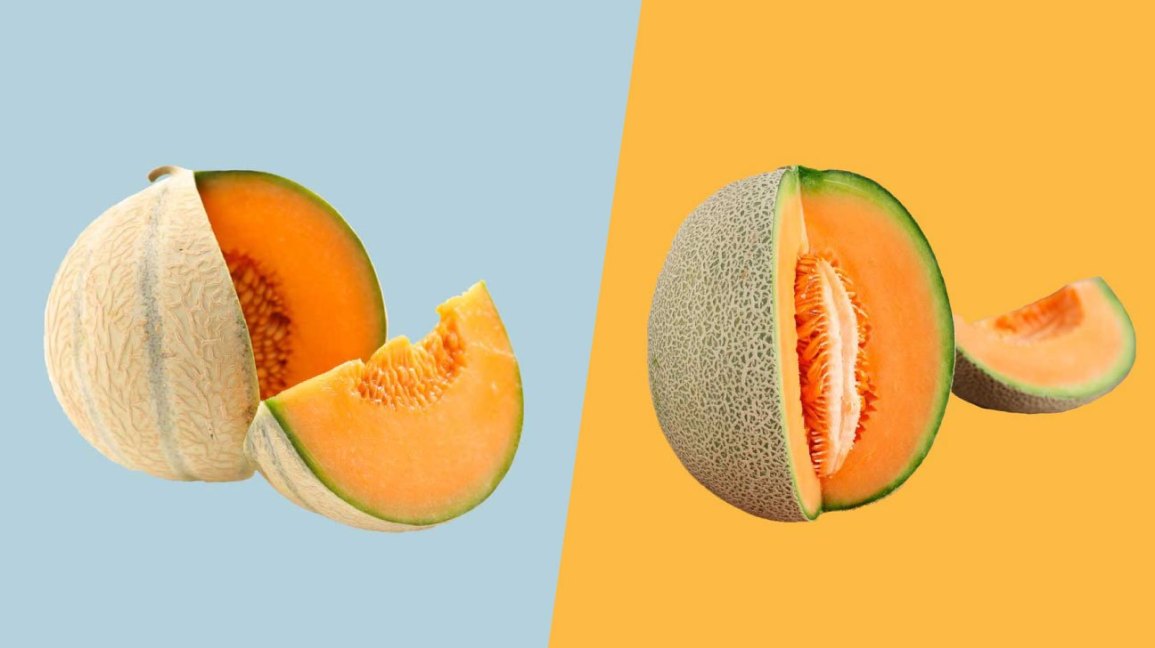
Q) What is the difference between a Cantaloupe and Muskmelon?
A) A Muskmelon is a member of the reticulatus group, characterized by a net like ribbed rind and sweet orange flesh. A Cantaloupe is a member of the cantalupensis group, named for Cantalupo, a former papal villa near Rome. This group is characterized by a rough, warty rind and sweet orange flesh.
The below picture the Muskmelon is to the left and Cantaloupe is to the right.
Cultural Subjects:
Your children can now count to ten in 15 languages (English, Latin, Sign Language, Spanish, German, French, Greek, Japanese, Arabic with the Lebanese dialect, Italian, Russian, Romanian, Swedish, Tagalog, Hebrew, Korean, Hungarian, Irish, Kiswahili, Welsh).
Peek In The Classroom:
Peek Into Next Week:
Line Time- Pollution and Recycling
Letter Of The Week- S s
Rhyming Word Of The Week- bup
Next Language is Dutch/Flemmish
Upcoming Events:
Valentines Party: Friday, February 14, 2020
NO SCHOOL: Monday, February 17, 2020
Akron Art Museum Field Trip: Thursday March 12, 2020 (morning) … Save the date, it is a FREE field trip! Details to follow.
Friends, Frolic, and Fun: