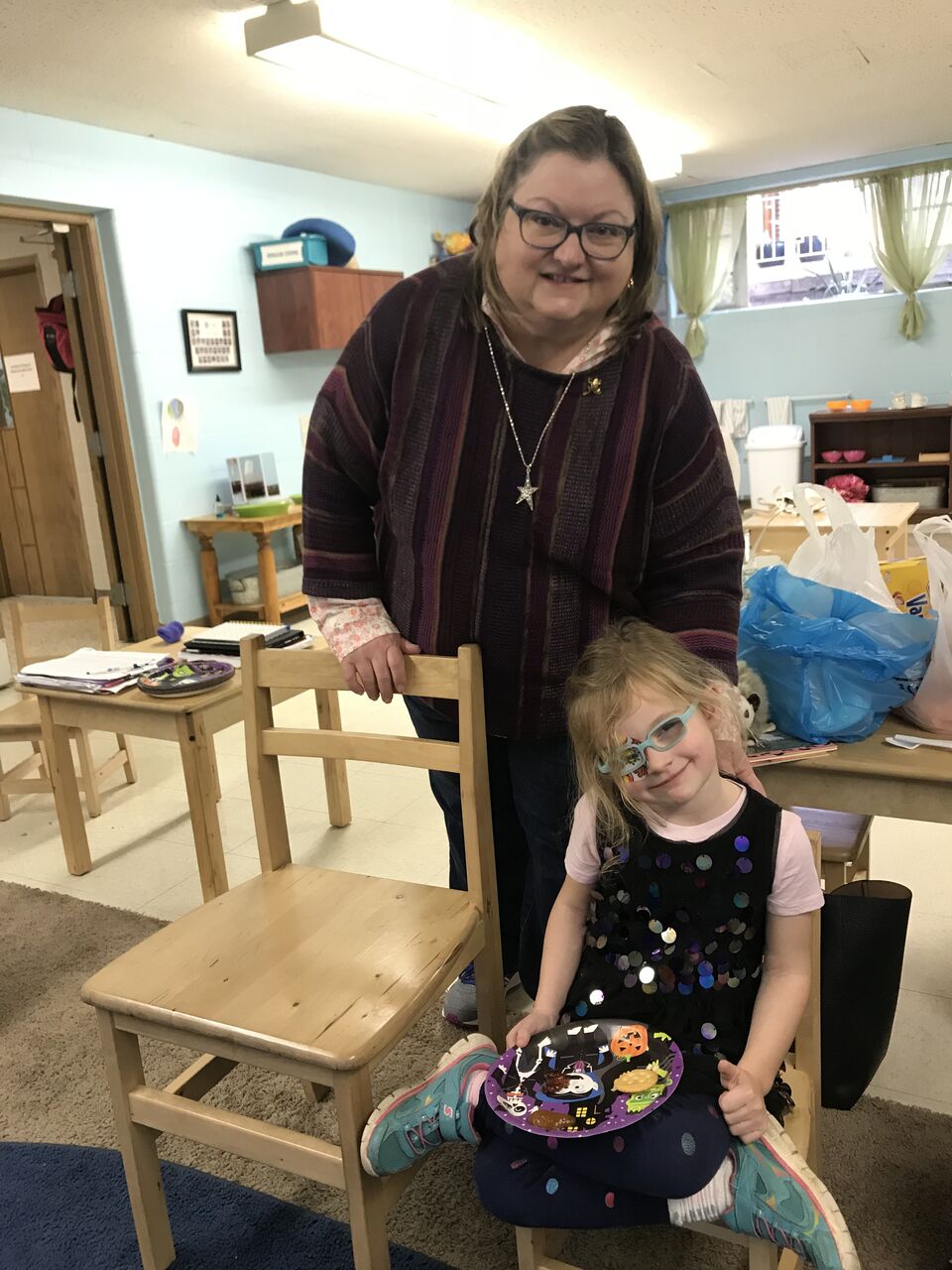
The past two weeks in Handwriting, we have been working on answering a question of the day and writing our answer in cursive. Some of our questions have been, ” What will you be for Halloween?” and ” What did you have for lunch today?” and ” What is your middle name?”. The children are also working on spelling their answer phonetically.
Something to practice with your child at home is writing their first name in cursive! I’m so proud of how our Kindergarten student’s handwriting has come along so far this year!
Line Time Lesson: This week we creeped and crawled and learned about insects, arachnids, and invertebrates. We first looked at insects. The characteristics of an insect are they have three body parts, head, thorax, abdomen. The also have six legs and two antennae. We sang the song “Head, Thorax, Abdomen” to the tune of Head , Shoulders, Knees, and Toes. Some examples of insects were ants and crickets which can be found, enclosed not free, in the classroom. Also, the mantis, bees, butterflies, and dragonflies. Arachnids are eight legged creatures that have a head and a thorax. Some creatures that are arachnids are spiders (tarantula named Charlotte) that is in the classroom, scorpions, and the tick. Both creepy crawlers are invertebrates which means they do not have a backbone or a spine or a bony skeleton but actually have an exoskeleton. An exoskeleton is is the external skeleton that supports and protects an animal’s body. Other invertebrates are earthworms, jellyfish, and crawfish.
Cultural Subjects: We can now count to ten in 13 different languages (English, Sign Language, Latin, Spanish, German, French, Greek, Japanese, Arabic with the Lebanese Dialect, Italian, Russian, Romanian, and Swedish).
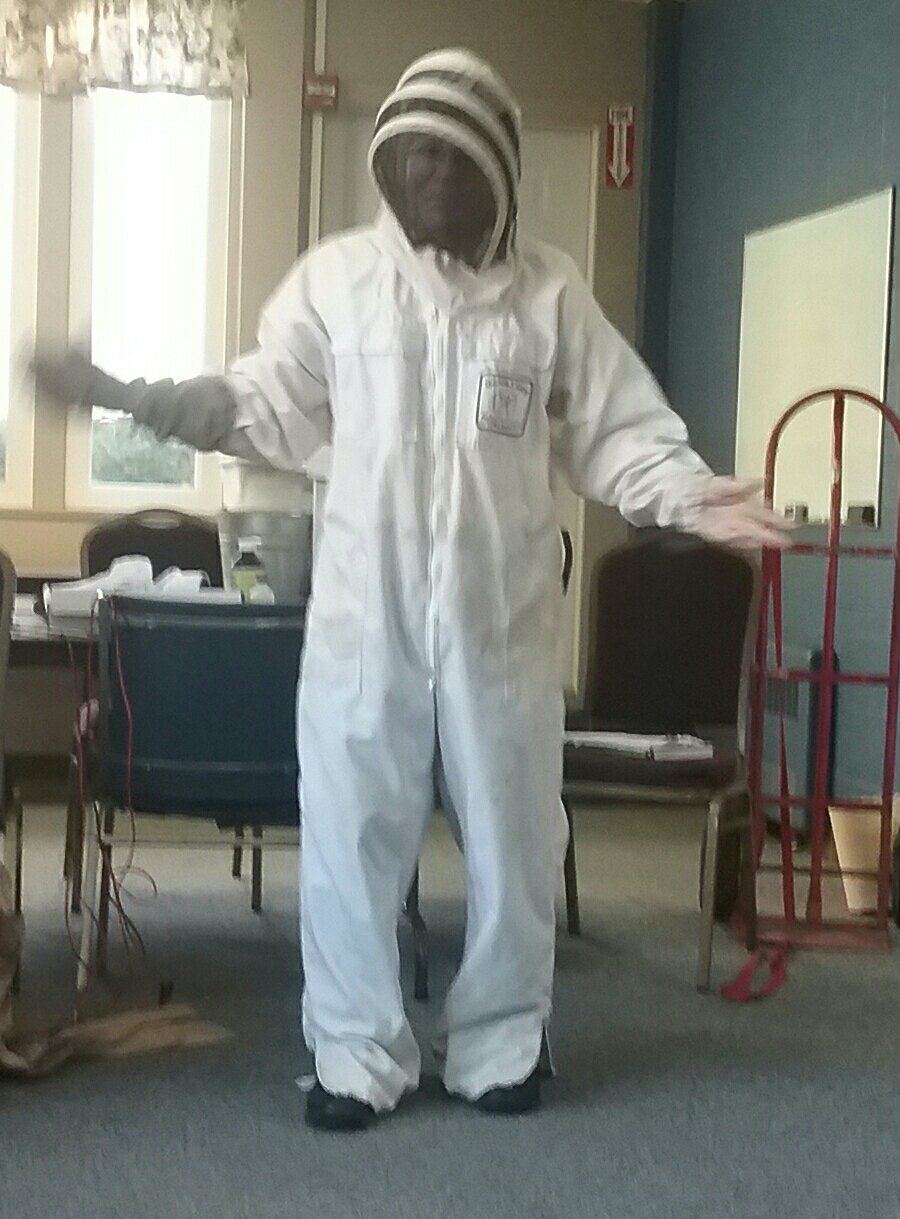
Bees… bzzzzzz:
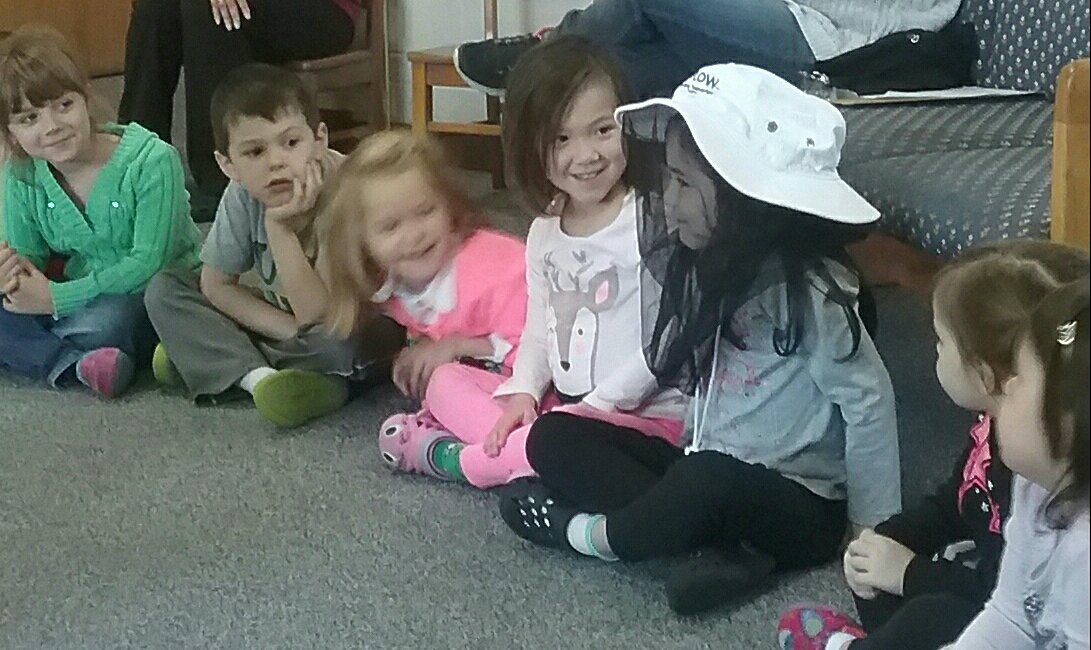
Pastor Kirk has several bee hives and talked about bees and brought in his equipment. The children tried on a protective mask, touched (an empty) hive with wax, and saw real live bees (in an enclosed hive).
A Peek In The Classroom:
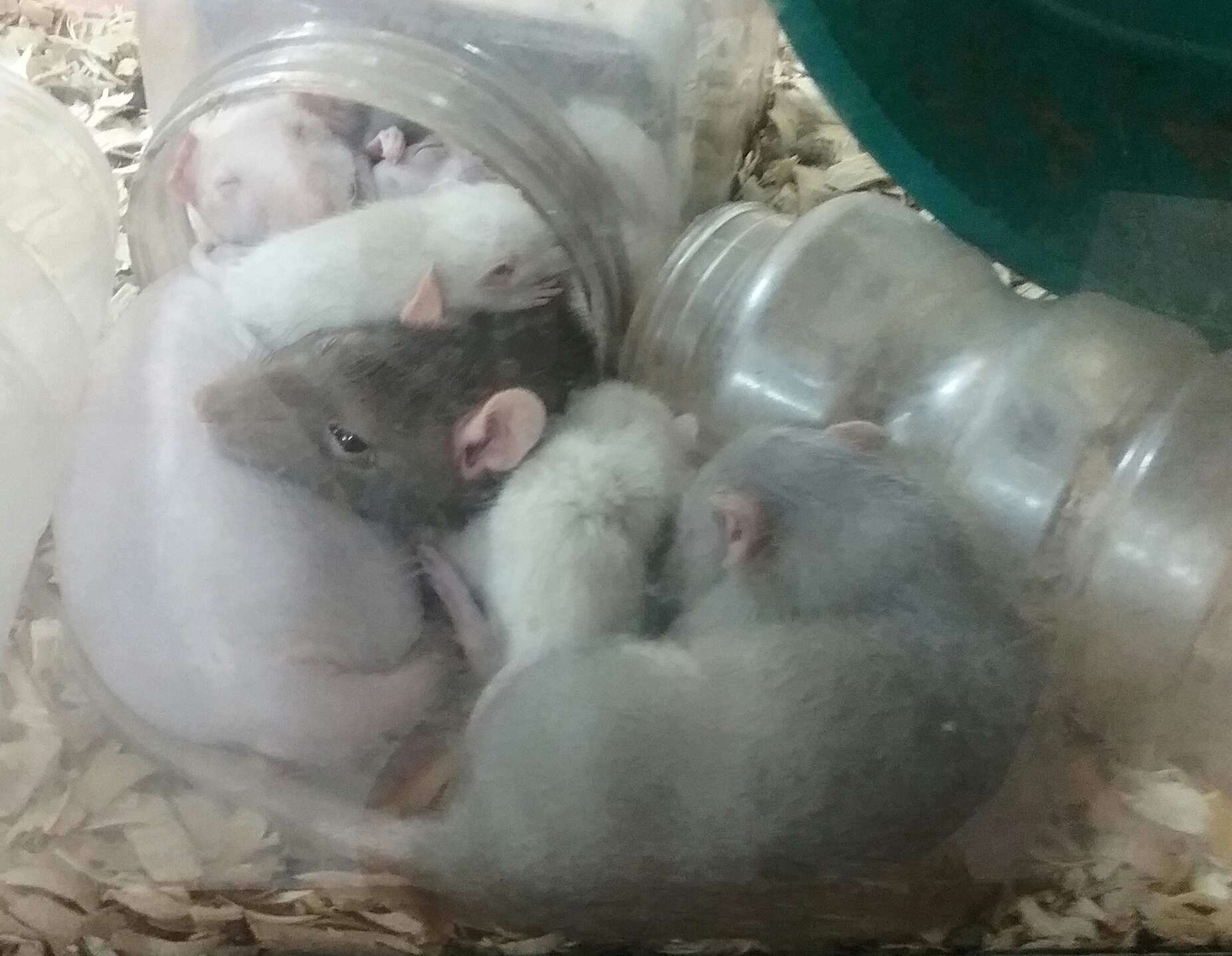
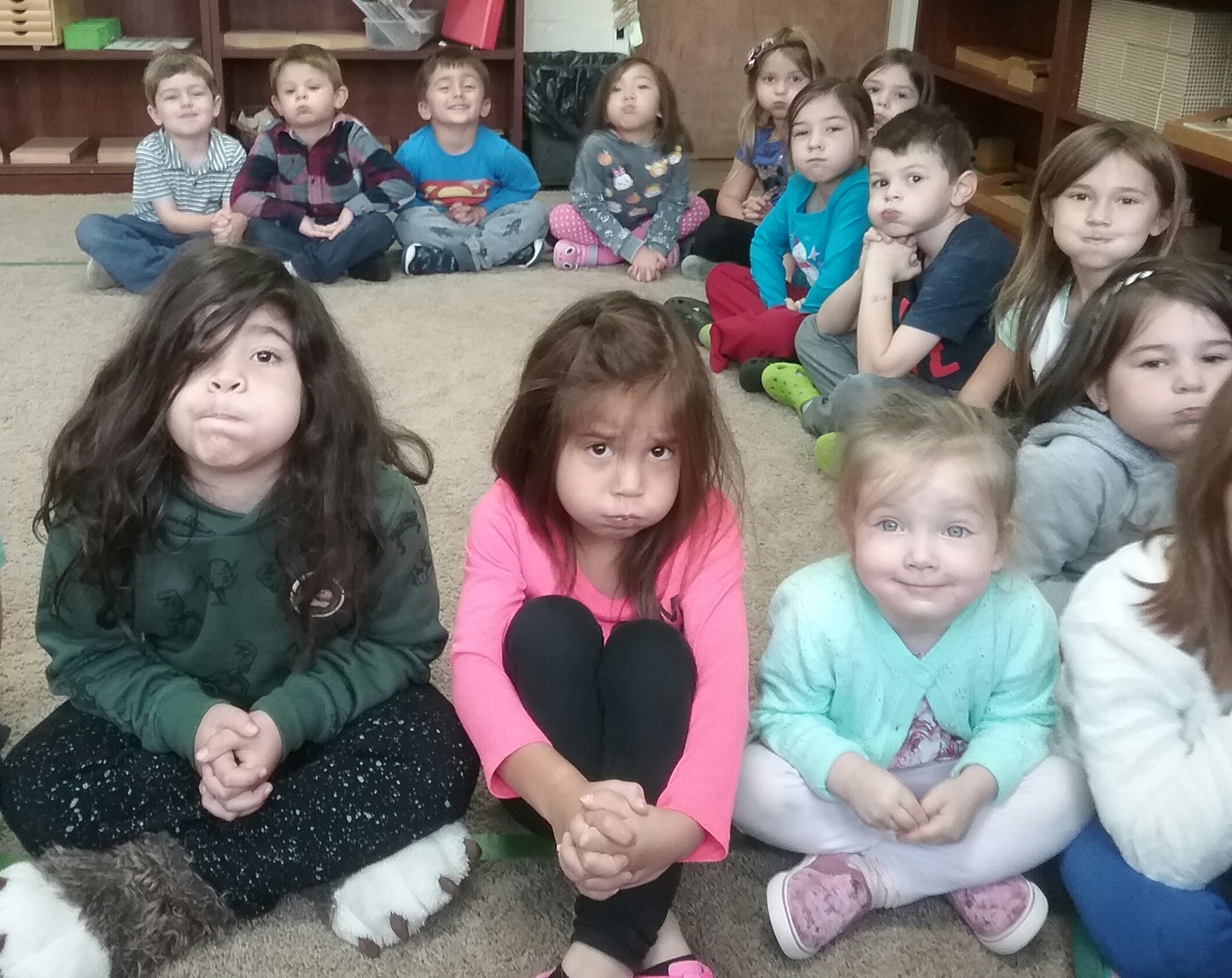
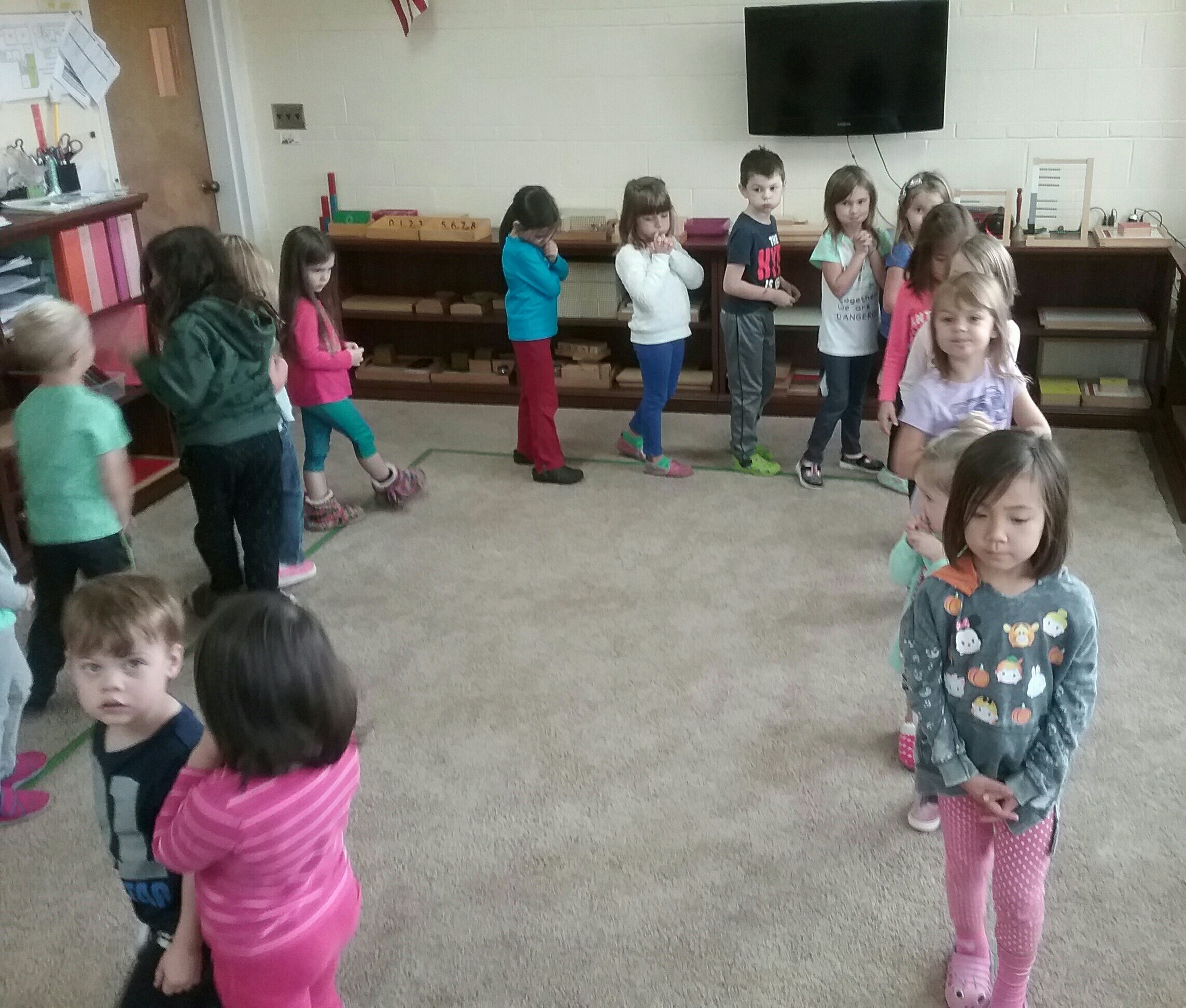
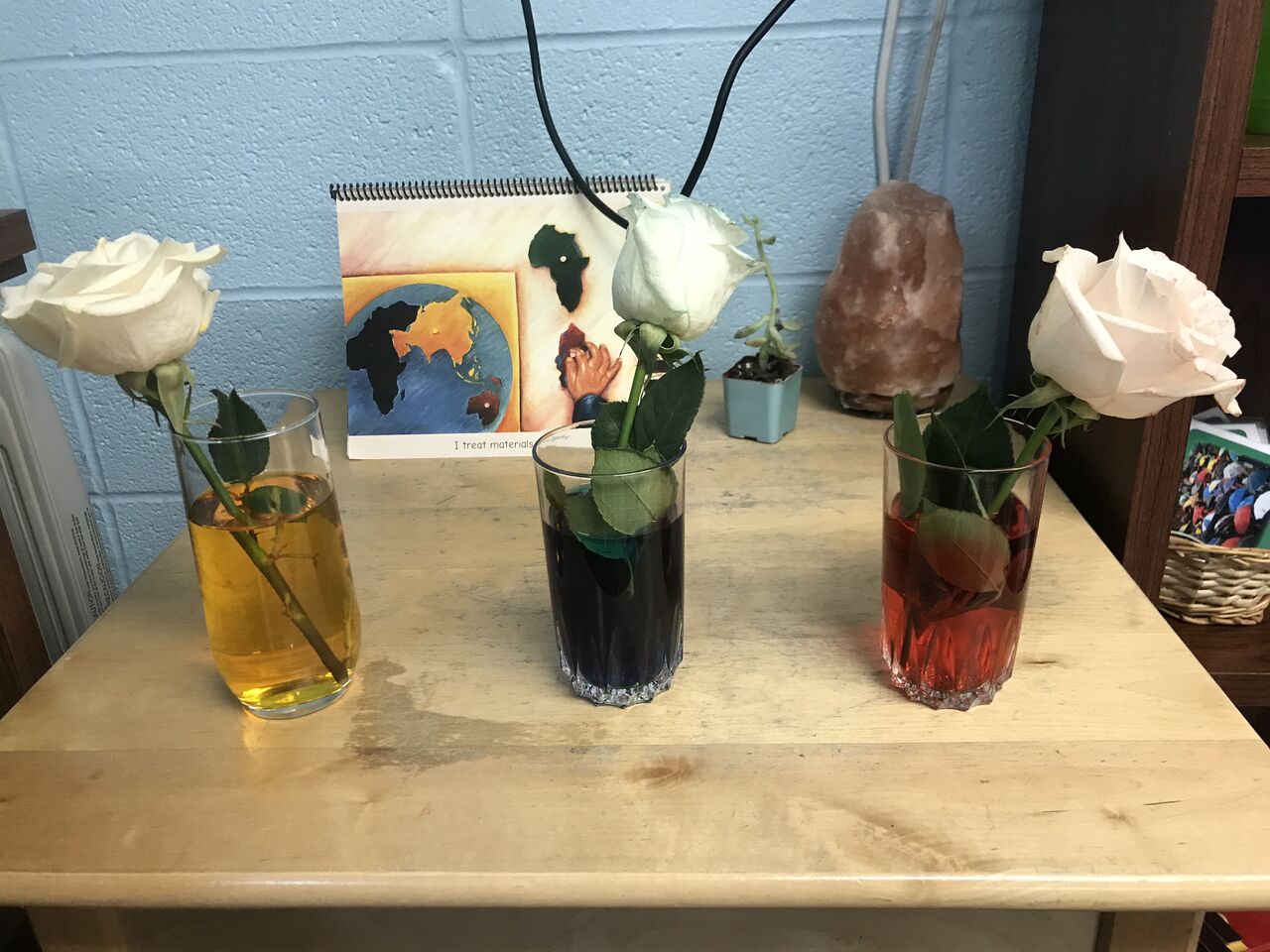
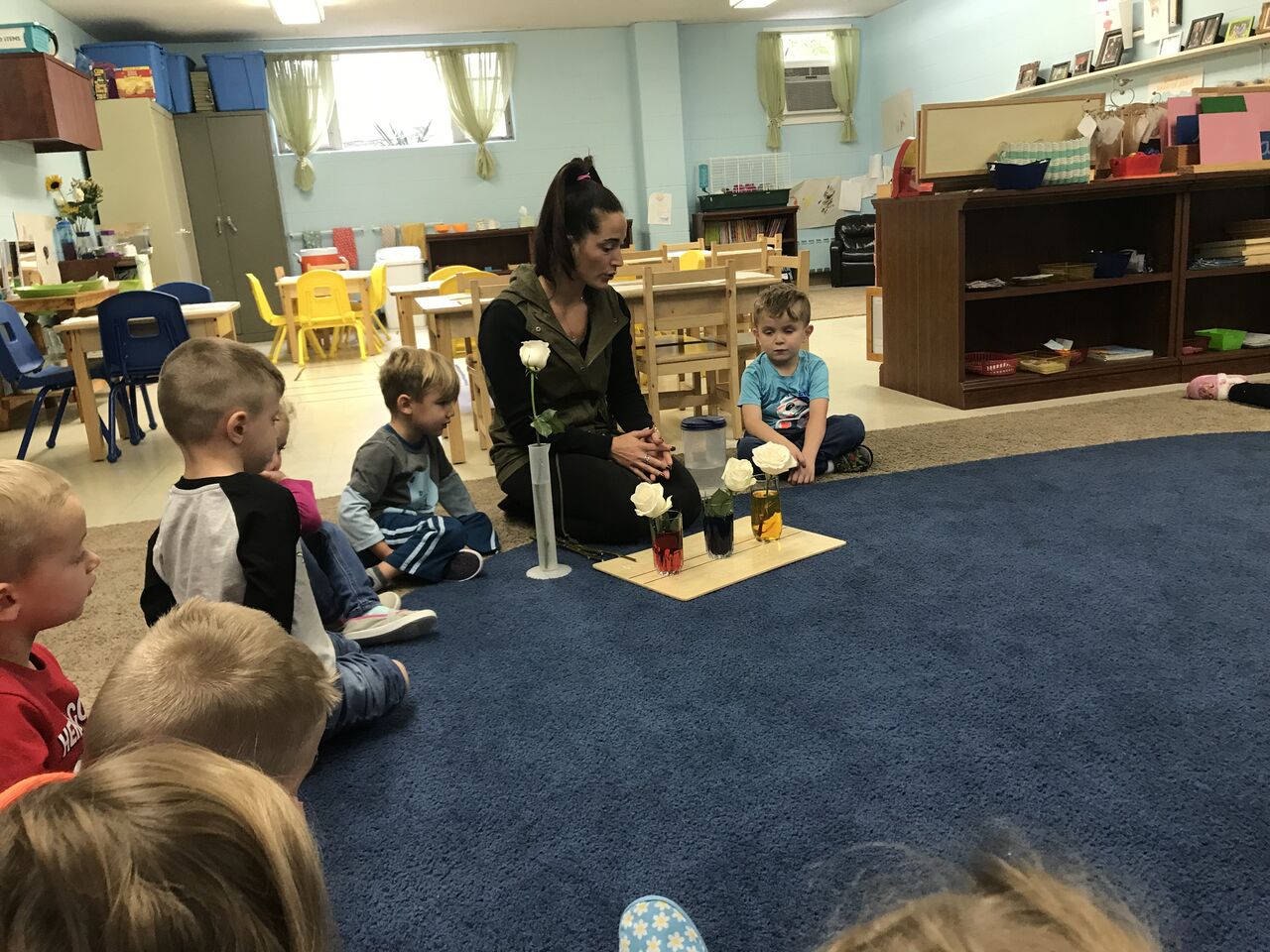
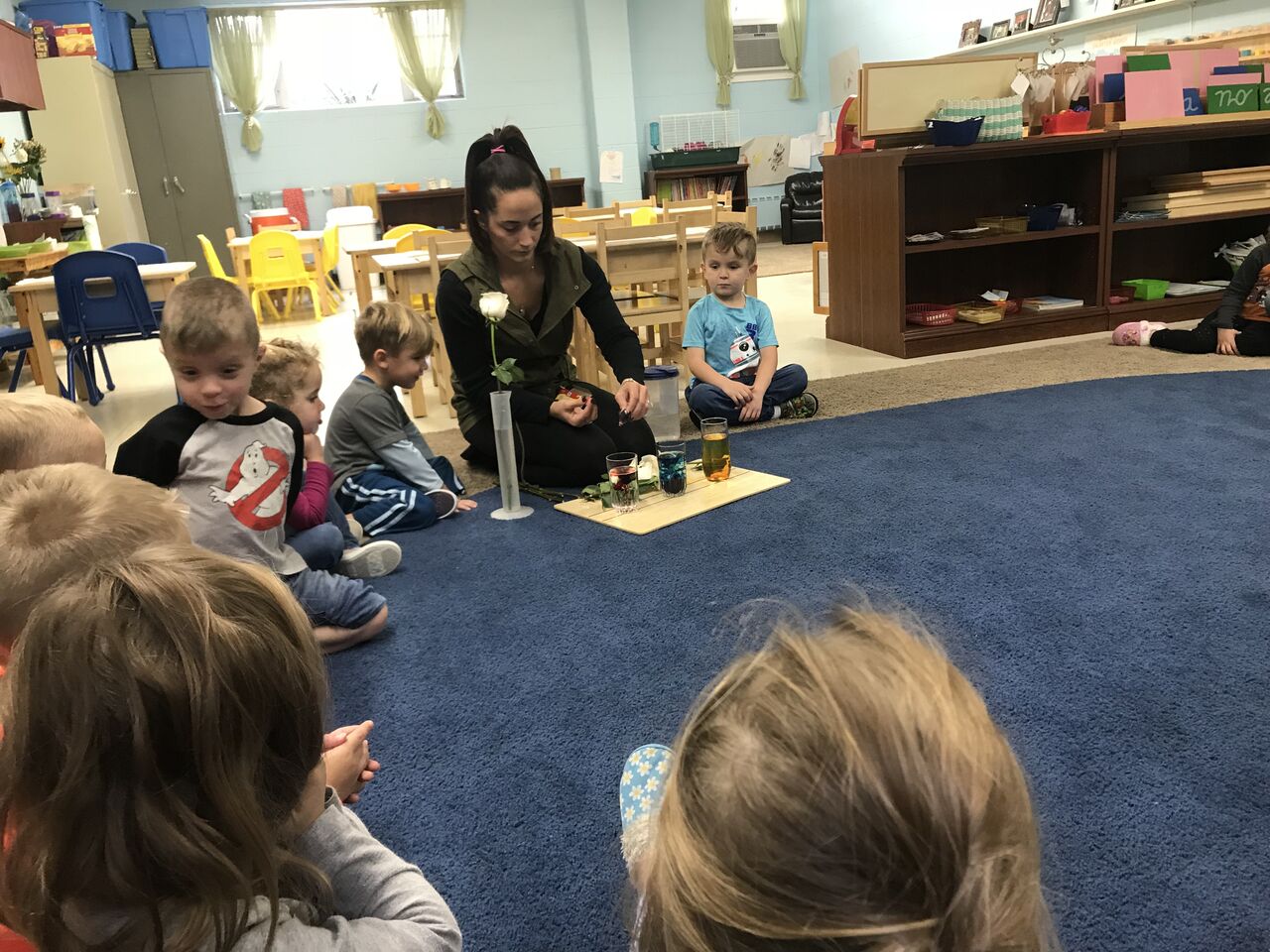
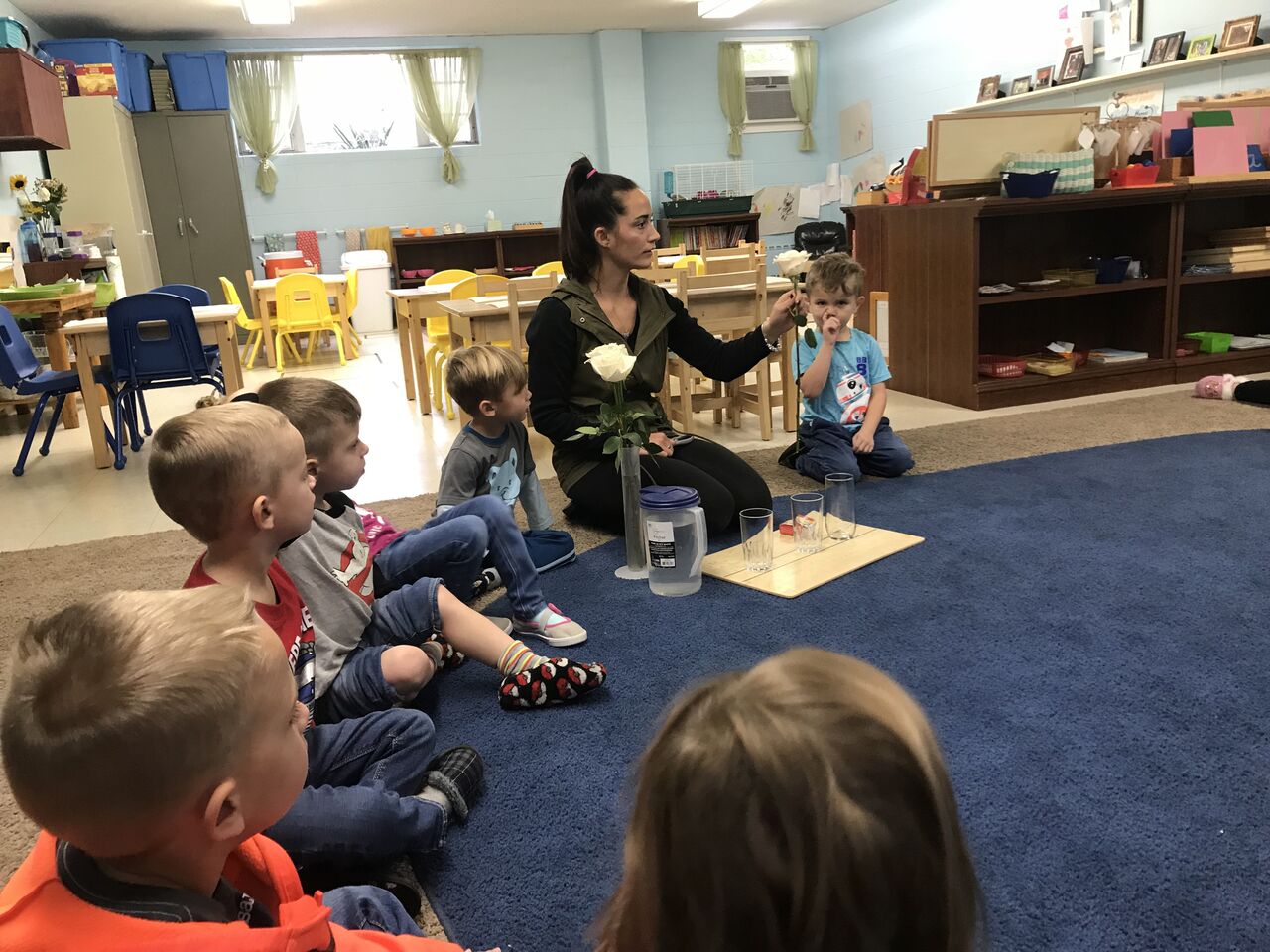
We’re a happy family. The babies are growing, mom is doing well, and the aunties are accepting the litter. Anyone want pet rats????The old colored water with with flower experiment. As you can see we chose dark purple (which did nothing to the flower), green (which turned the flower yellow), and blue (which turned the flower blue).My kindergarten students tracked the color changes in their personal binders. We came up with possible reasons why the purple did nothing. We thought maybe too much coloring couldn’t get up the stem. The yellow maybe had more yellow in the coloring.Line Time… The aim is to increase body control and concentration. The child sits criss cross, hands to themselves, and are quiet. This is an exaggerated picture of catching a bubble (no talking), safe hands (hands to ourselves), and sitting on the line calmly. My morning line time can last up to thirty minutes and your child sit nicely for the duration of this line time. At line time I present information about days of the week, months of the year, the date, the weather, we count to ten in different languages, my weekly theme, and announcements. Also, as a bonus they get to hear my morning banter.The child needs to practice, perfect, and consolidate the body’s movements. For this reason, Dr. Montessori began using the “Walking on the Line” as a Practical Life exercise. This exercise helps the child control his body, develop balance and perfect equilibrium, as well as to strengthen the mind’s control of its body’s movements. No pushing, no cutting, and no running across to the other side of the line. We play a classical piece of music, Pachelbel’s Canon in D Minor, which is exactly five minutes (4:57). After I ring the bell and the children stop, look, and listen, they proceed to clean, and walk the line. After the music ends the children sit nicely on the line.
A Peek Into Next Week:
Line Time Lesson: Dinosaurs and the unique things of select dinos.
11/17/17 (Friday): Parent Teacher Conferences (NO SCHOOL FOR CHILDREN) Follow the link to sign up. http://www.signupgenius.com/go/4090b48a8a92da6f94-2017
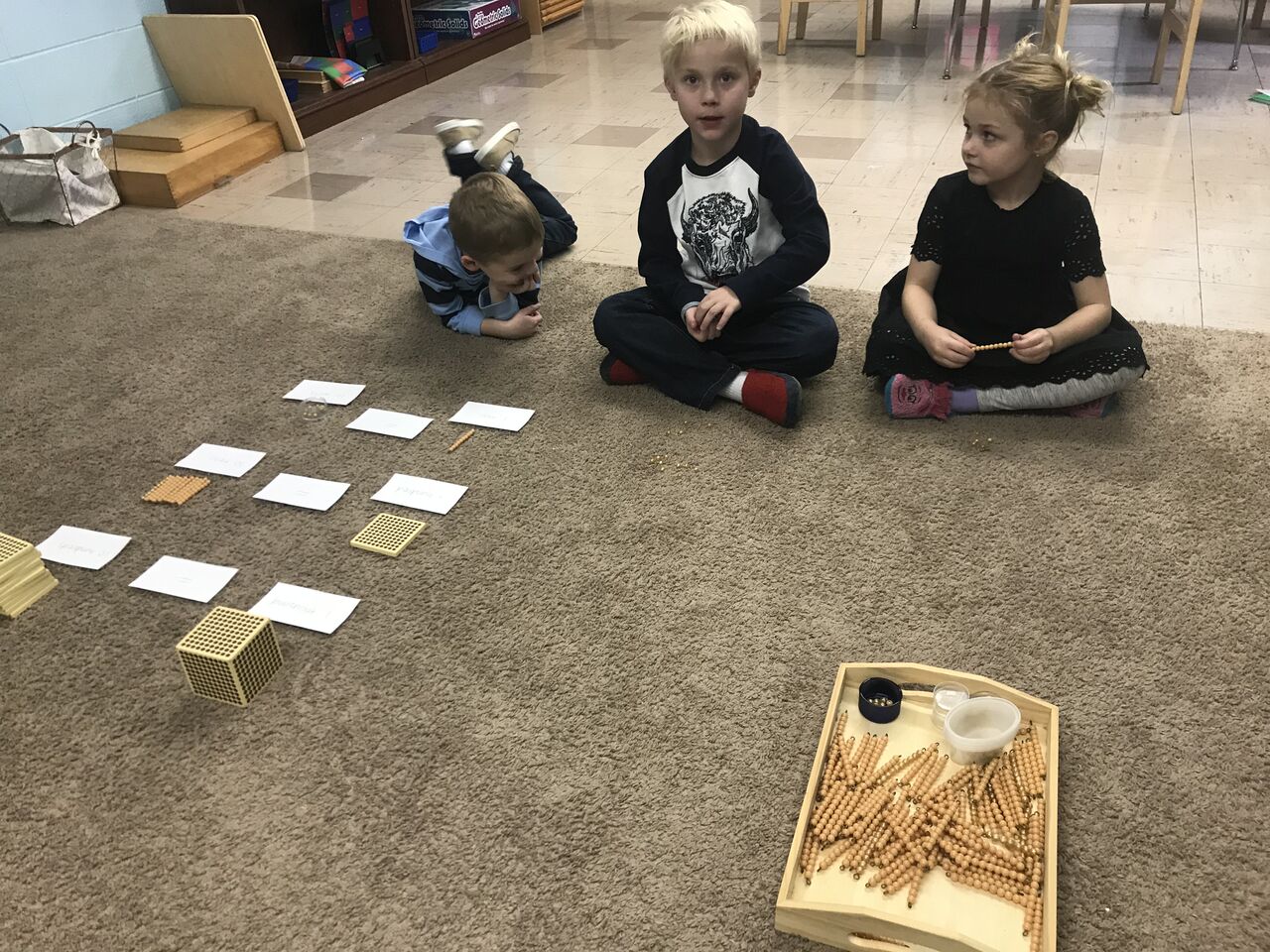
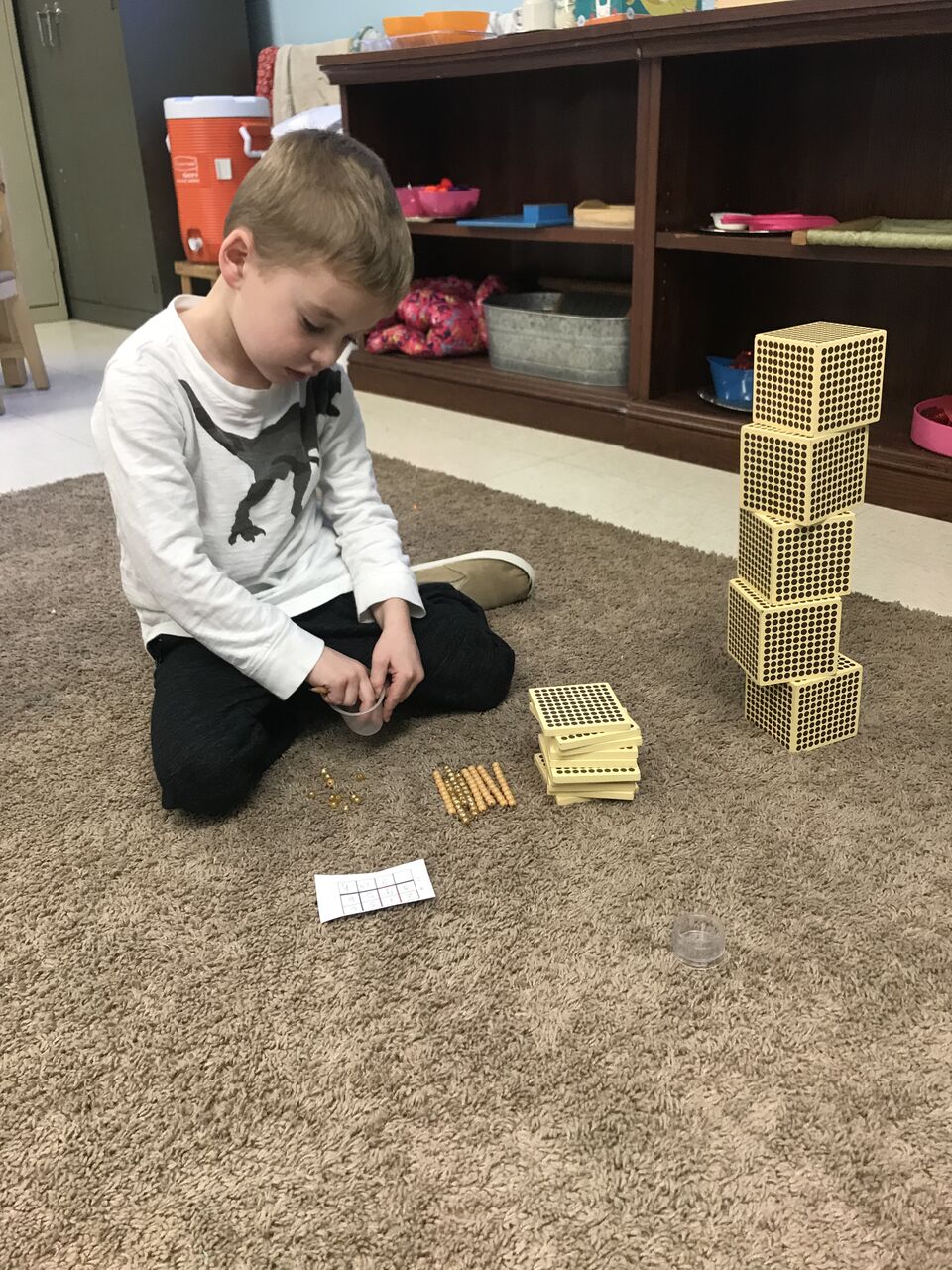
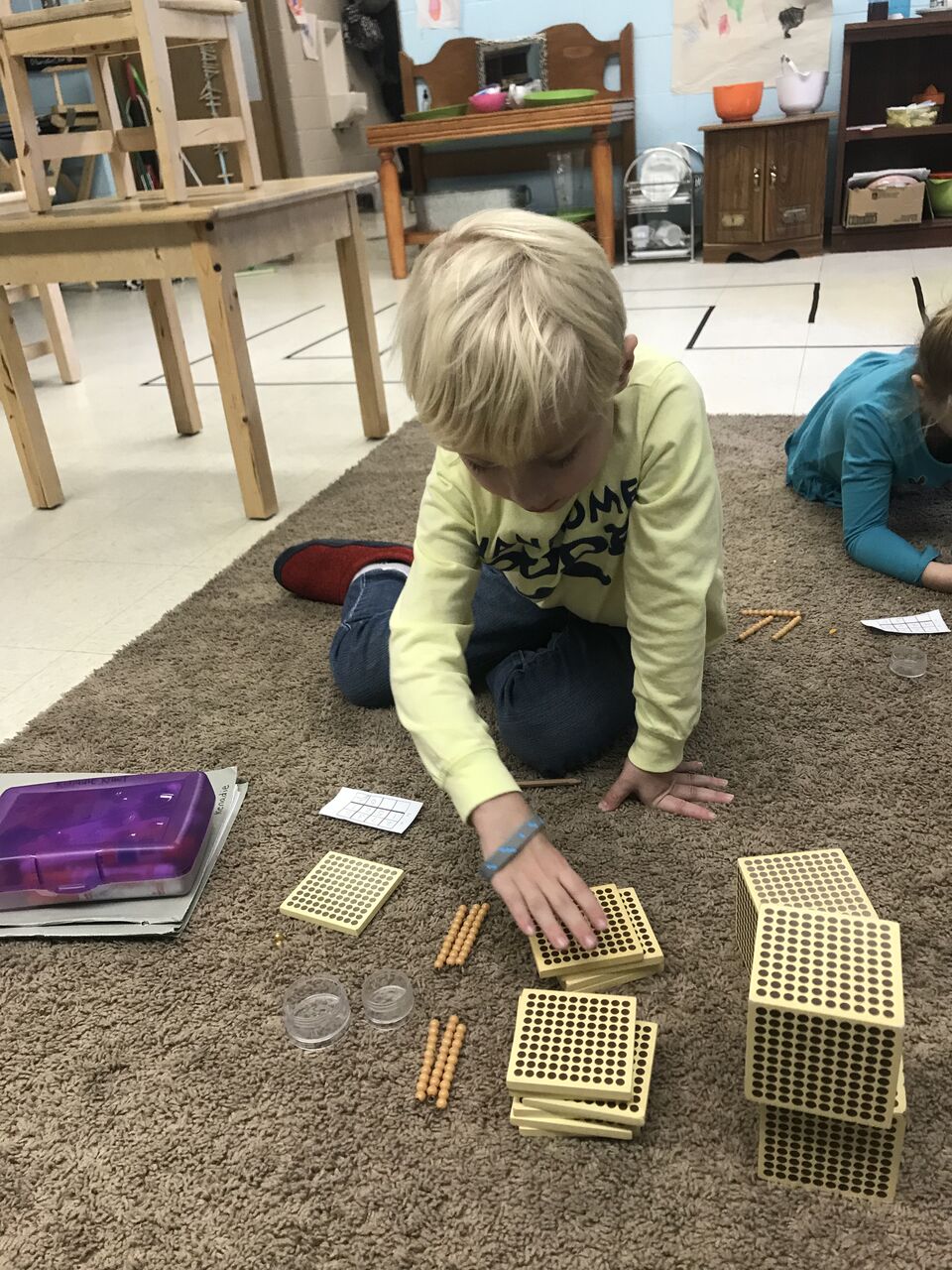
The kindergarten students have been working hard on learning both static and dynamic addition using the golden beads. They have even started working on more abstract materials like the stamp game and dot board to solve problems.
Equivalence: The students are learning that the word equivalence means to be equal or equivalent in value . They are discovering that 10 units are equivalent to 1 ten, 10 tens are equivalent to 1 hundred and that 10 hundreds are equivalent to 1 thousand.Dynamic Addition: This child is doing dynamic addition using the golden beads. Dynamic addition simply means addition where we need to carry over an amount. The process is similar to static addition except if the child has a group of ten he/she will need to exchange. Exchanging takes place when the child is combining the beads.Dynamic Addition: This child is doing dynamic addition using the golden beads. Dynamic addition simply means addition where we need to carry over an amount. The process is similar to static addition except if the child has a group of ten he/she will need to exchange. Exchanging takes place when the child is combining the beads.Dynamic Addition: This child is doing dynamic addition using the golden beads. Dynamic addition simply means addition where we need to carry over an amount. The process is similar to static addition except if the child has a group of ten he/she will need to exchange. Exchanging takes place when the child is combining the beads.
A Look Into Next Week: Continue Dynamic Addition (exchanging)
Introduction of exchanging 1s, 10s, 100s and 1000s
Using single units, 10 bars, 100 squares and 1000 cubes
This week, we learned all about Families! We learned ASL signs for Mom, Dad, Sister, Brother, Grandma, and Grandpa. We also read about how families come in differents sizes and can be made up of different types of people!
Working on the Corn Tweezing work together! This has been a very popular work in our classroom! By using the tweezer to pluck the corn, the child is developing their pincer grip, which is great preparation for Handwriting! In addition, the child is developing their focus and concentration!
Ms. Mel practiced counting using Chinese numerical characters with our students during Afternoon Group Time this week! We also learned the words for members of our family in several languages!Working on tracing the Bird Puzzle! Puzzles are a great pre-reading material!
A Peek Into Next Week:
-What does Kindness mean?
-How can we be kind to others?
-Doing something kind for another class, now that our Kindness Jar is full!
Color changing flower:We took white roses and placed them in water with food coloring. The next day the children discovered that the flowers had taken on the color of the food coloring they were placed in: yellow, blue and red. The reason the petals of the roses changed colors was because the food colored water had traveled up the stem and into the petals.
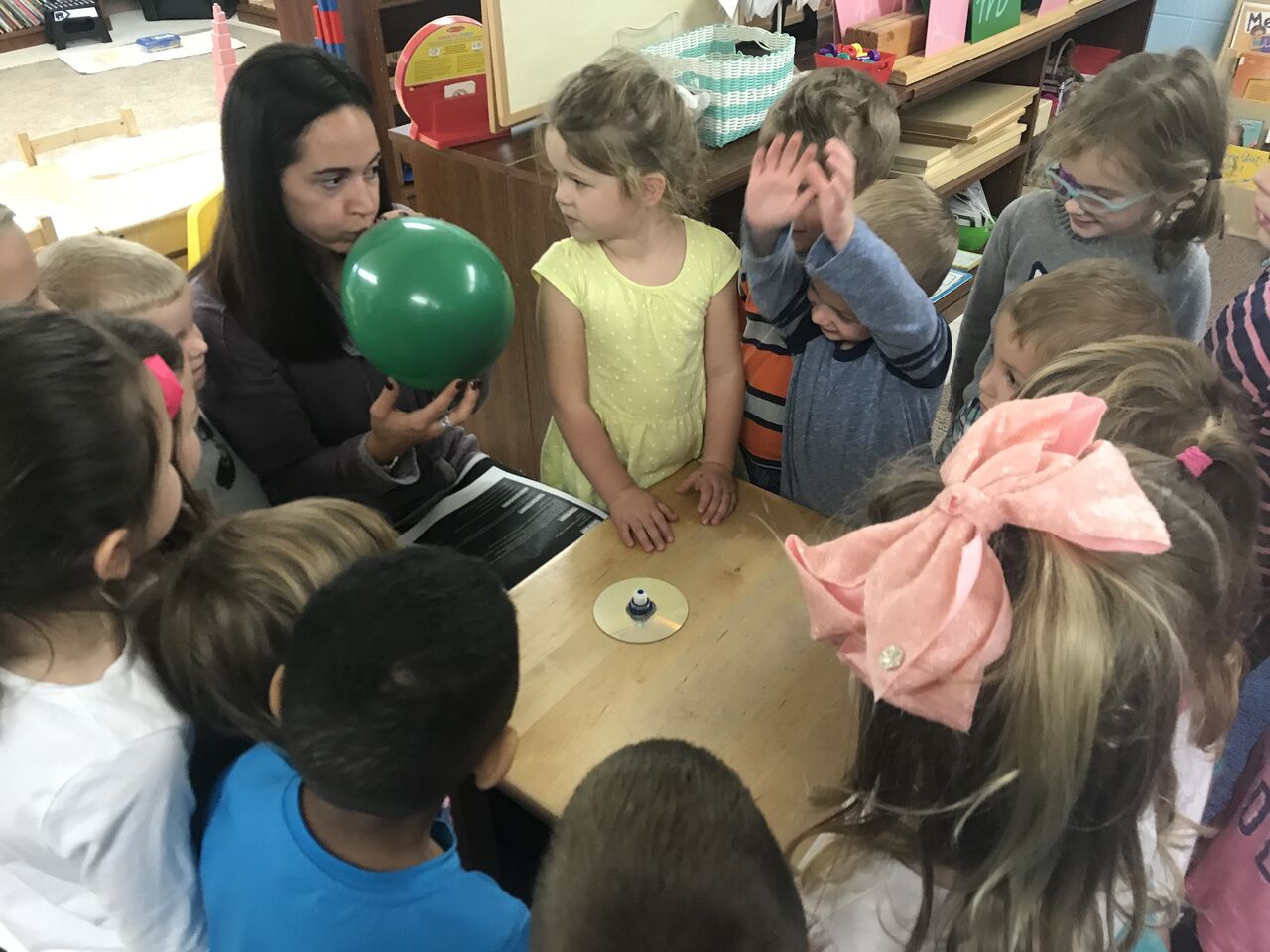
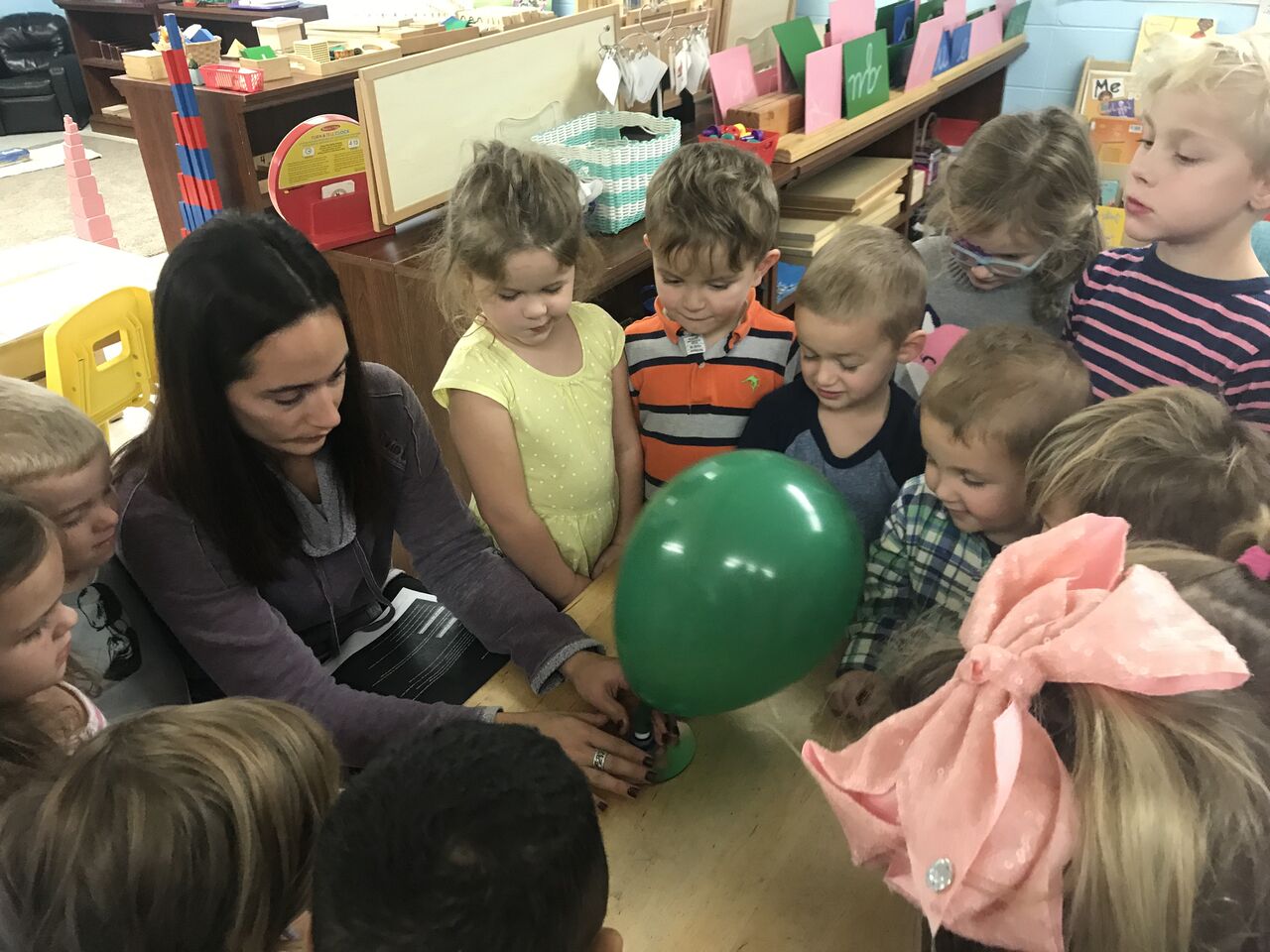
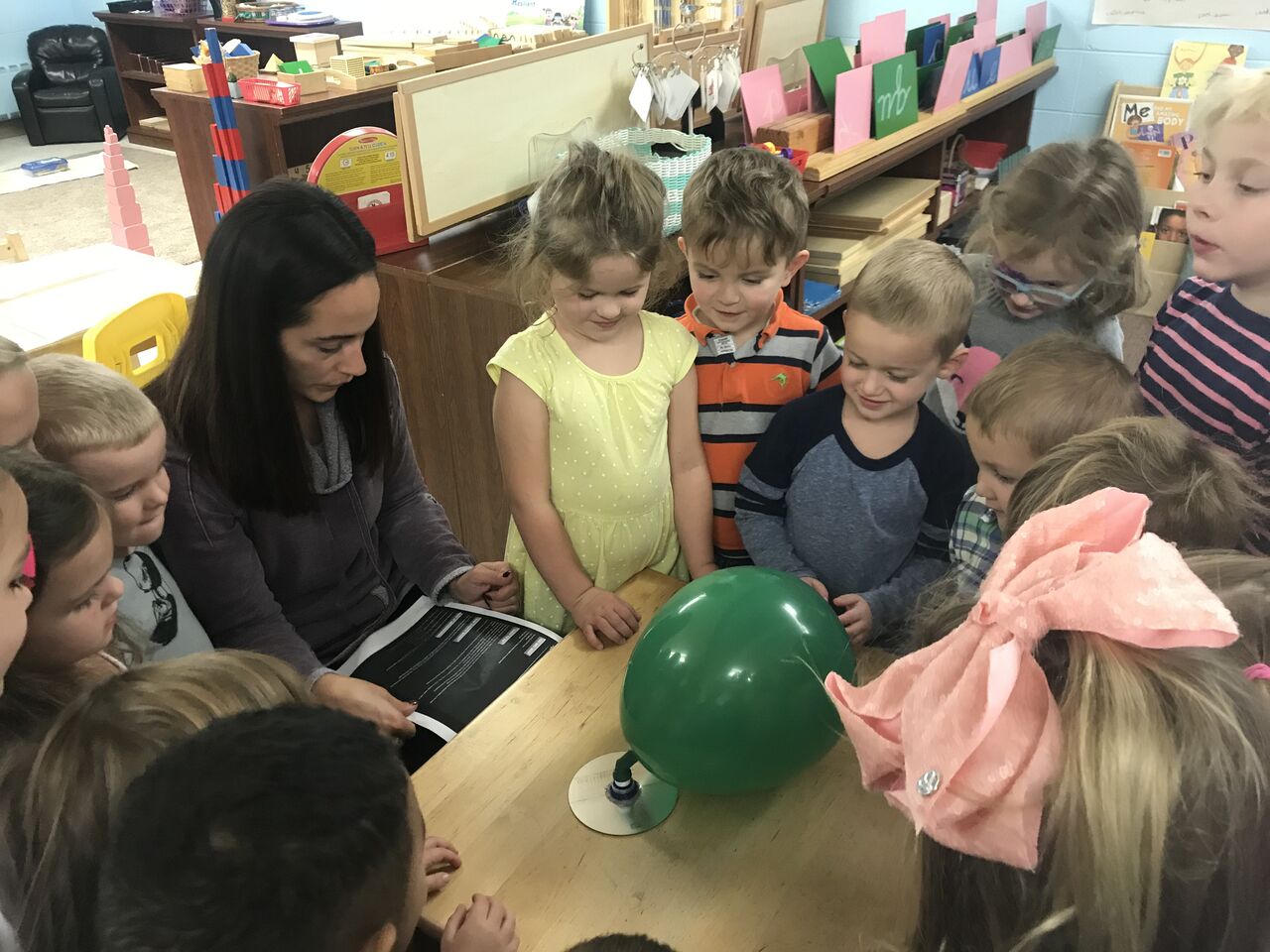
Tabletop hovercraft: We hot glued a bottle cap to an old CD and then blew up a balloon and attached it to the bottle cap. When we slowly opened the bottle cap air flowed out of the balloon creating a cushion of moving air between the CD and the table. This reduced the friction allowing the CD to hover freely over the table.
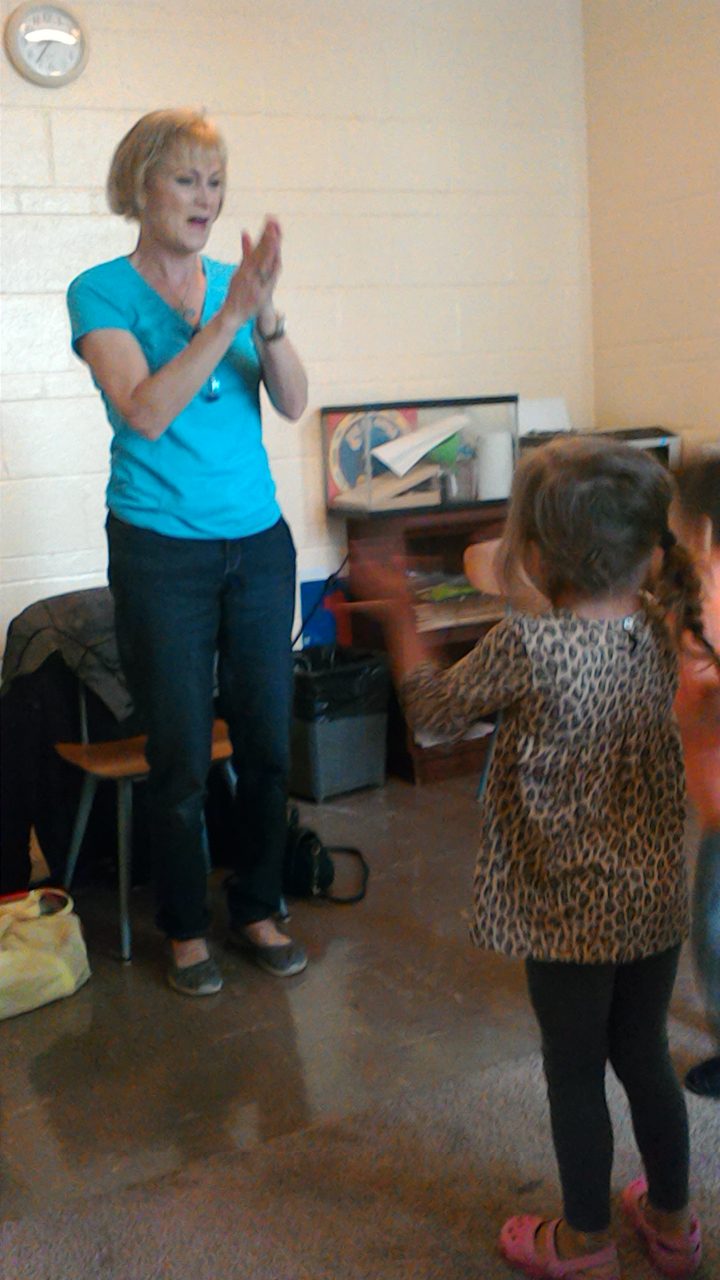
Every Tuesday we have music with Miss Lisa. Half of our classes go in the morning and the other half goes in the afternoon. Here is what we have been up to this month!
This month we started off with learning the terms ‘adagio’ and ‘andante’. Adagio means slow and andante means medium. We also learned the term ‘Allegra’, which means fast. We practiced these different speeds with the song “She’ll be Coming Around the Mountain” and playing the tambourine.The second week of October Miss Lisa introduced us to a couple of new songs involving counting and hand movements! We sang Allison’s Camel, Knick-Knock-Paddy Wack, The More We Get Together and 3 Little Monkeys. We loved using our fingers to count the different things in each song! We also learned a few new dances that went along with these songs. We love all the movement that Miss Lisa incorporates into her lessons!We all have really started to learn the words to the songs and are having so much fun singing along with Miss Lisa. We also reviewed the words ‘piano’ which means soft/quiet and ‘forte’ which means loud. We also had a short discussion about how all of the music words we are learning are Italian. Miss Lisa’s music class is a wonderful enrichment on Tuesdays and we are looking forward to what we will do next month with her! Thank you Miss Lisa!
As one of our first graders said this week, “There’s no way it is already November!” We can’t believe we are already heading into lower temperatures and Christmas Show preparations! Research projects are in full swing in our classroom. First and second year students are researching dinosaurs, third year students are learning about the human body, and fourth year students are beginning cell theory and classification of early humans. We have ended our North America Continent Study and are talking about animals, musical instruments, and capitals of South America.
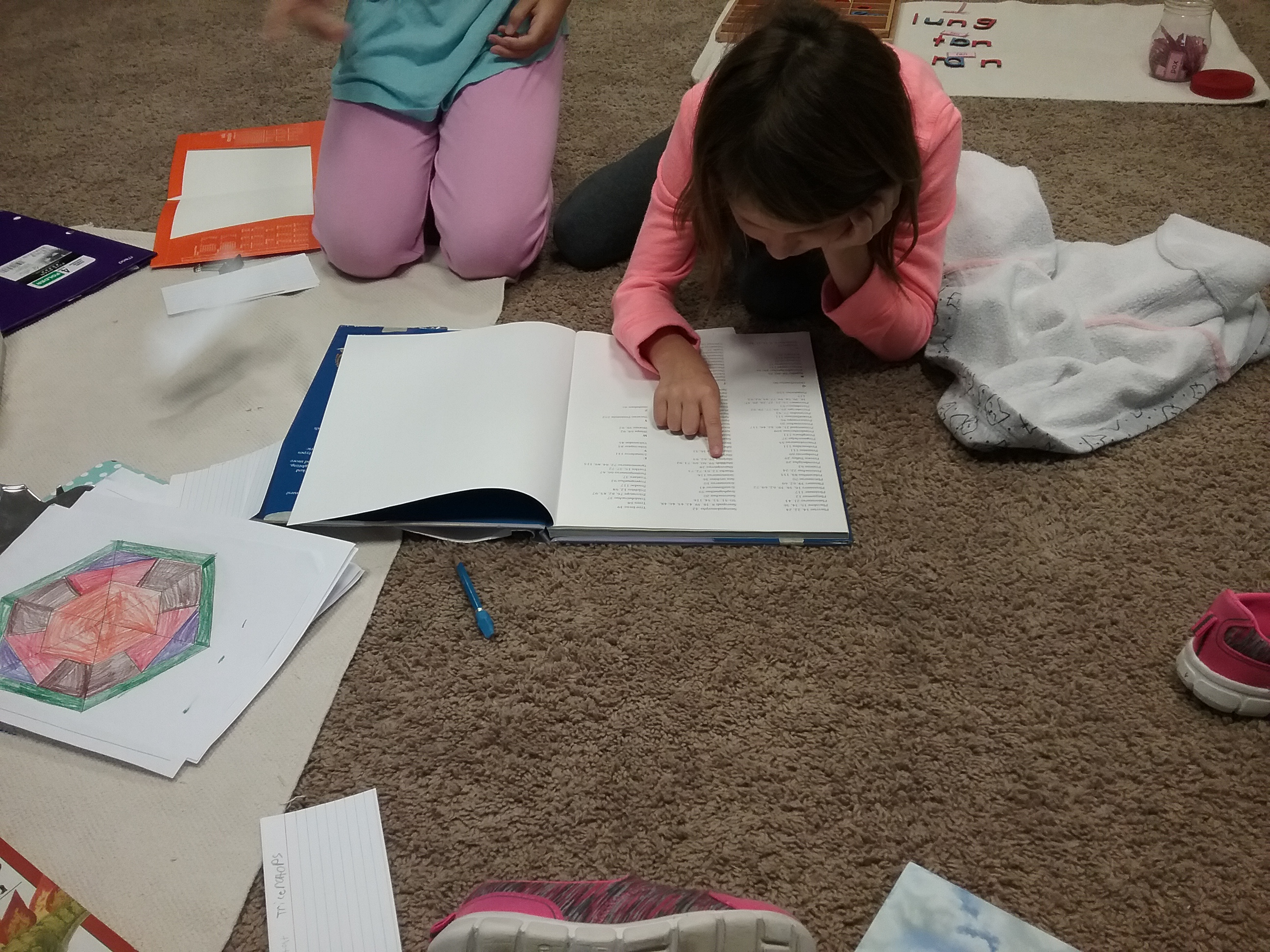
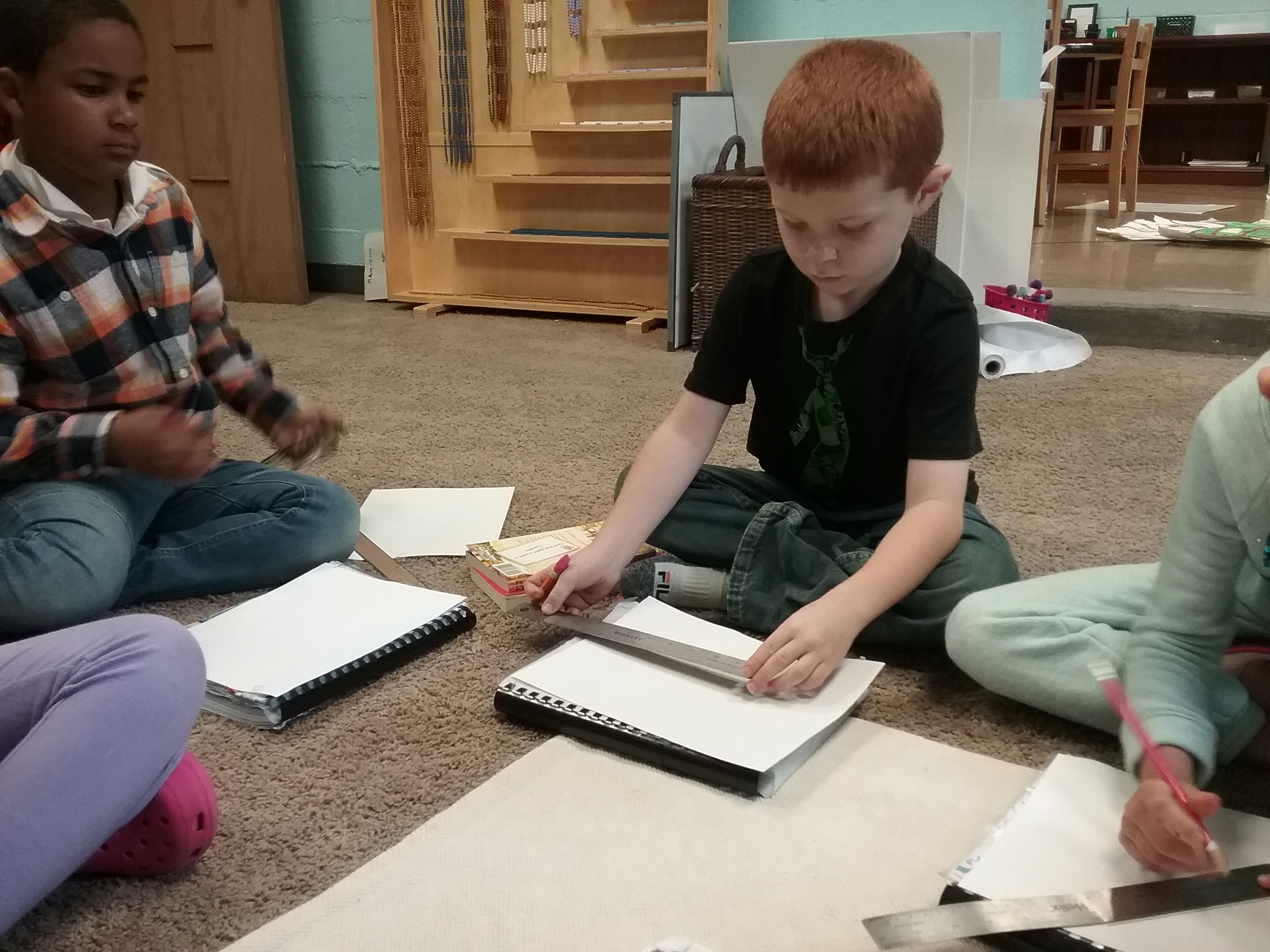
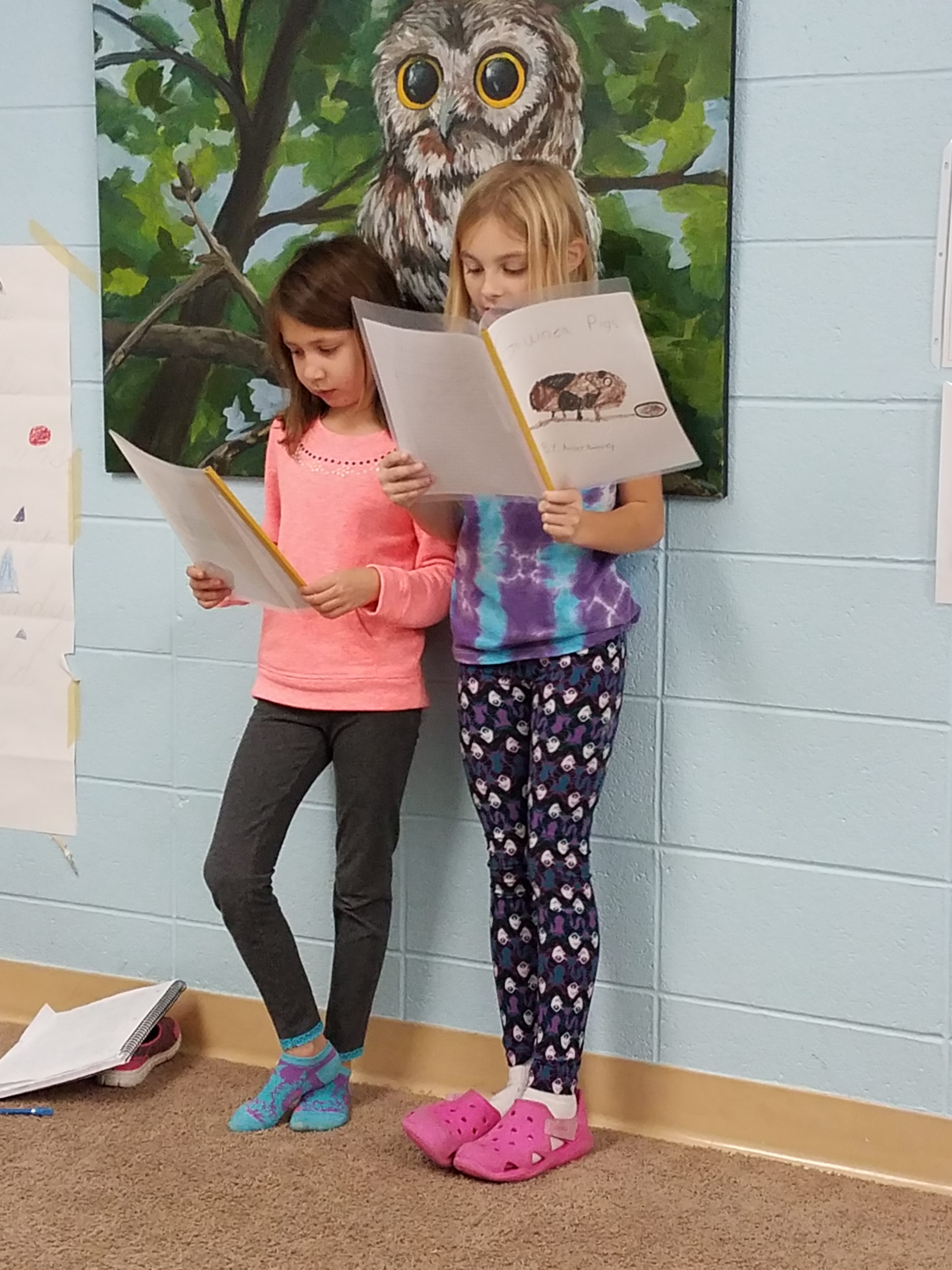
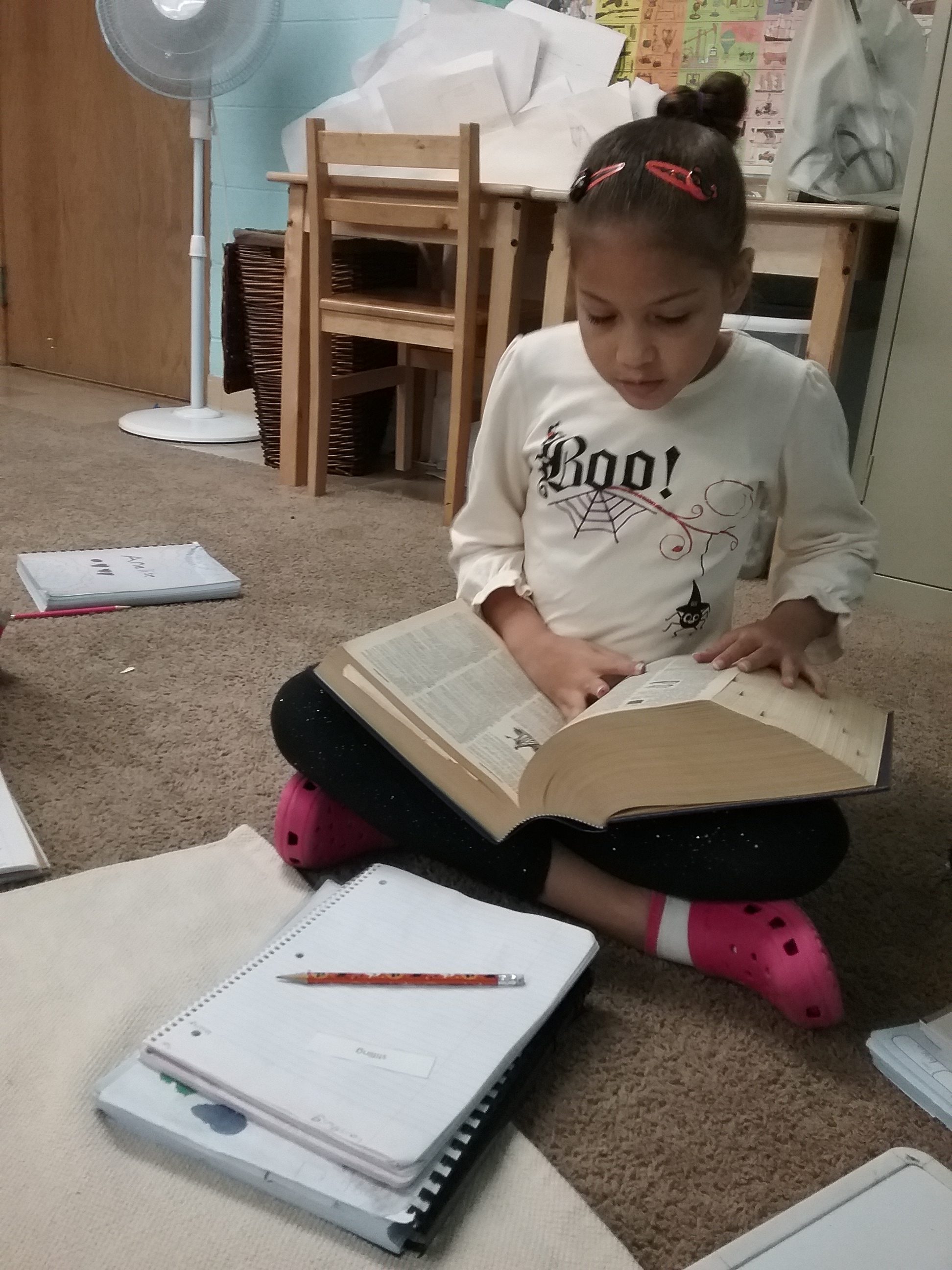
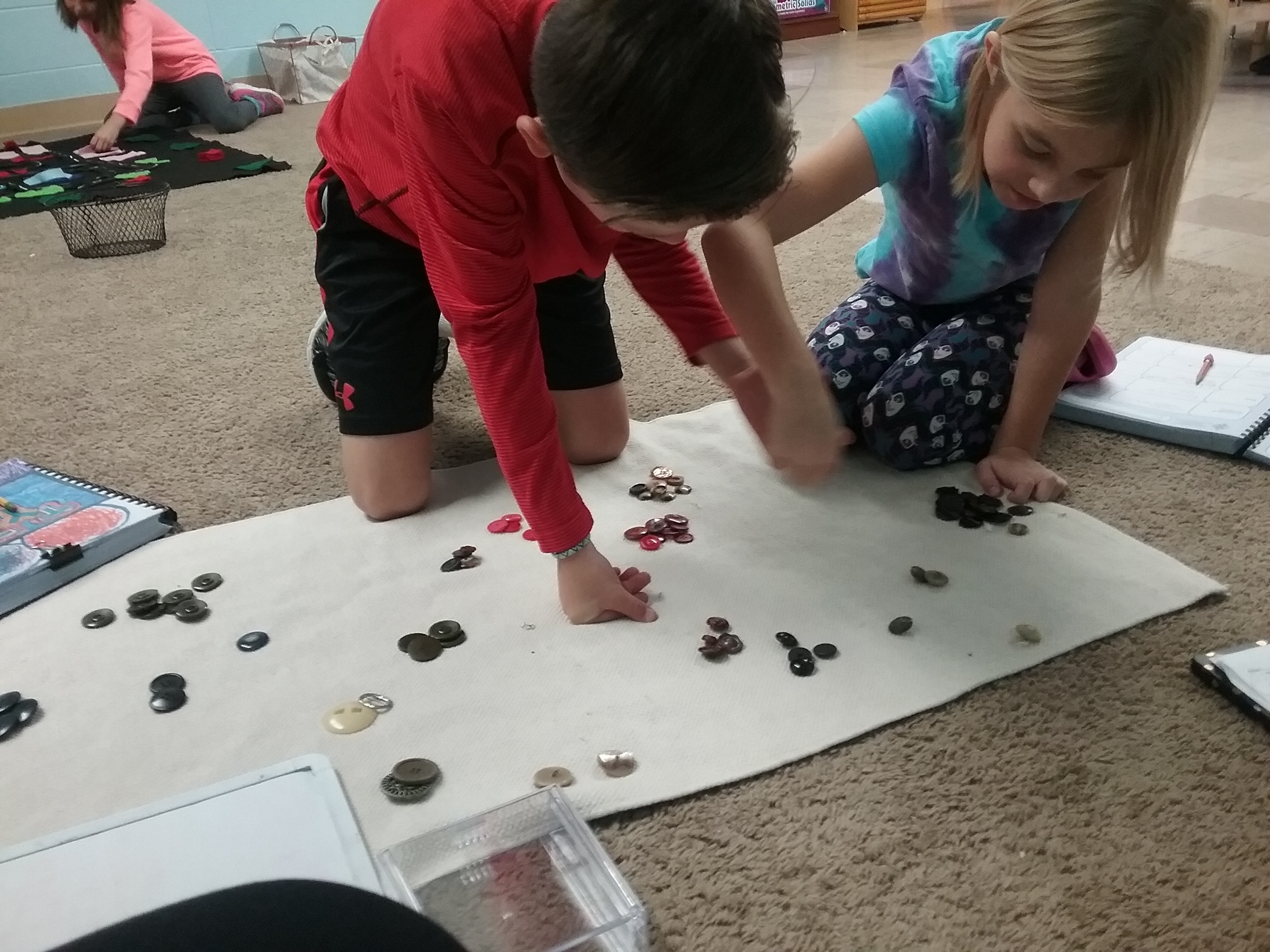
First and second year students are diving into their Dinosaur Research. Each student chose one Saurischian dinosaur and one Ornithiscian dinosaur to learn about. They are researching the diet, habitat, size, and other facts about each dinosaur before creating a poster to display their findings. One thing students must be comfortable with before beginning research into any topic, is using the index of a book. This student is using the index to find information about her Saurischian dinosaur, the Tyrannosaurus Rex.This first year student asked to join a second year lesson about the Conventional Protractor. The concept behind measuring angles is introduced through lessons about triangles. Students then move on to using the Montessori Protractor which is a complete circle with measurements from 0 to 360 degrees. After practice with that material, students draw lines and measure their angles with a Conventional Protractor. Students that have practiced adding on paper, will add up their angle measurements to check their work. If the sum of their supplementary angles is 180 degrees, then they know they did accurate measuring.These students have been independently researching guinea pigs. They used books and the internet to complete a research template. After compiling their research, they wrote a rough draft, including an introductory paragraph and a conclusion. For their final draft, they had to include a cover page and a bibliography. The students chose when to present their information to the class and took questions at the end from their peers.This week the second year students did a lesson where they matched many adjectives to three nouns. A few of the adjectives were words that the students didn’t recognize so we used the dictionary to find the answer. Something Montessori always said to teachers and recommended to parents was, “Never help a child with a task at which he feels he can succeed,” so you will often see in a Montessori classroom children being led to find their own answers instead of being given the answer. When you are learning networking, it is handy to visit Subnet-Calculator.org for free subnet mask calculatorThese students are working on “Button Classification.” This is the first lesson before the study of Early Humans. The students are given a large amount of various buttons and have to separate them based on characteristics, just like a scientist would when discovering a new species. These students started with two groups: small and large. They further separated those groups based on holes in the buttons, texture, color, and other characteristics.
A Peek into Next Week Next week our Lower Elementary students will be continuing their research, looking at the difference between a point and a solid, and will beginning studying the fundamental needs of humans throughout history. Our fourth year students will continue learning about cells, look into different categories of pronouns, and will classify living things.
REMINDERS:
Parent-Teacher Conferences are Friday, November 17. This is a NO SCHOOL day for students. Please sign up for a conference here.
Cultural Subjects: We have been counting to Ten in 11 different languages (English, Sign Language, Latin, Spanish, German, French, Greek, Japanese, Arabic with the Lebanese Dialect, Italian, Russian, and Romanian).
Peeking Into The Classroom:
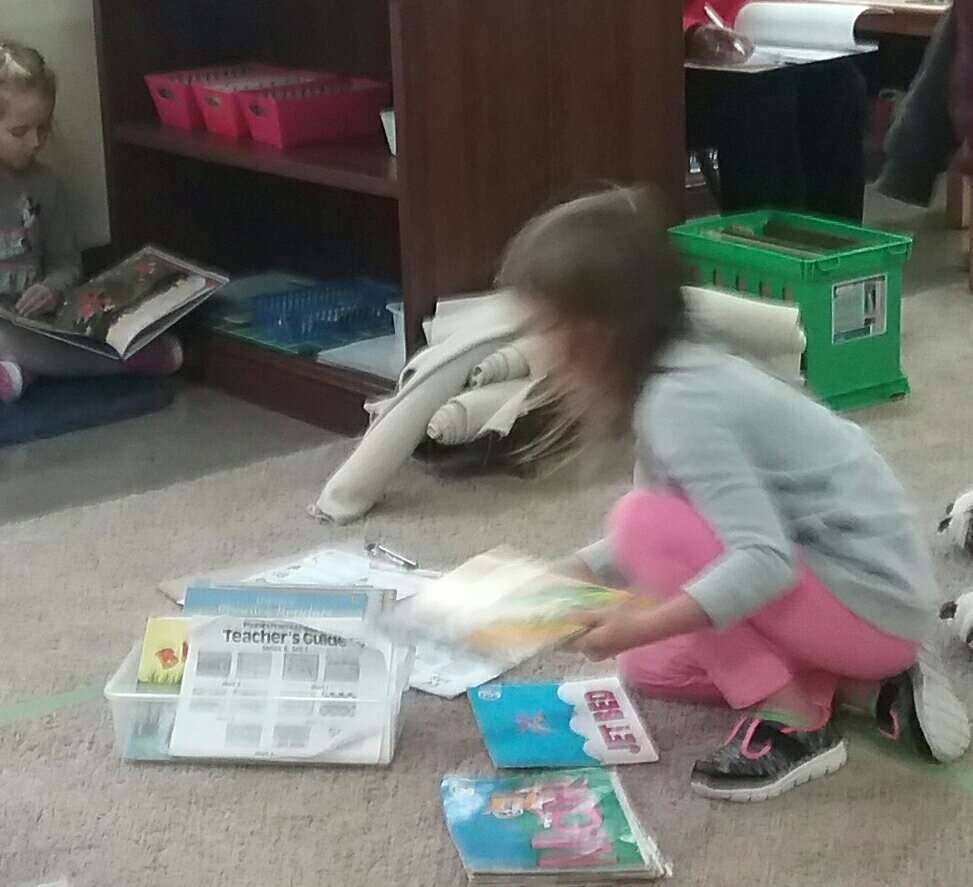
This is an action shot of a student sorting. Inevitably, our reading books get mixed and become out of order but this student is assigned every day to put them in order. This set of books has four sets of ten and she enjoys the responsibility of doing and completing this task.
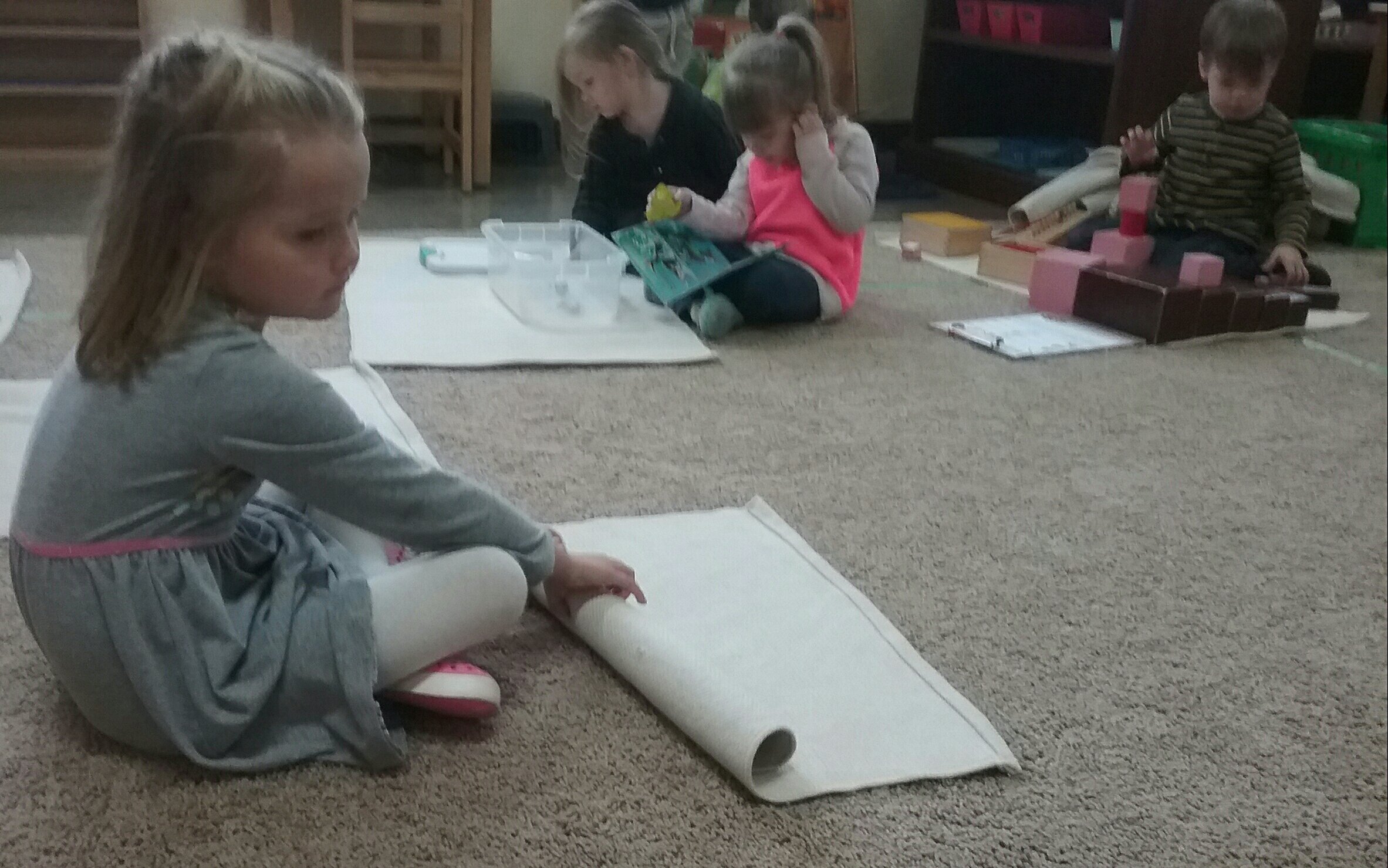
Rolling a mat develops O.C.C.I (order, concentration, coordination, independence) and development of muscles. The mat is to be rolled tightly and with even ends. Also, the purpose of the mat is to give the child his / her own personal work space while working on the floor.
The reason for this picture is not the material but how a student who is four years old is presenting and showing his peers how to use this work. Kindergarten students are not the only ones that present materials to others. All students have the potential to show others how the work with materials.
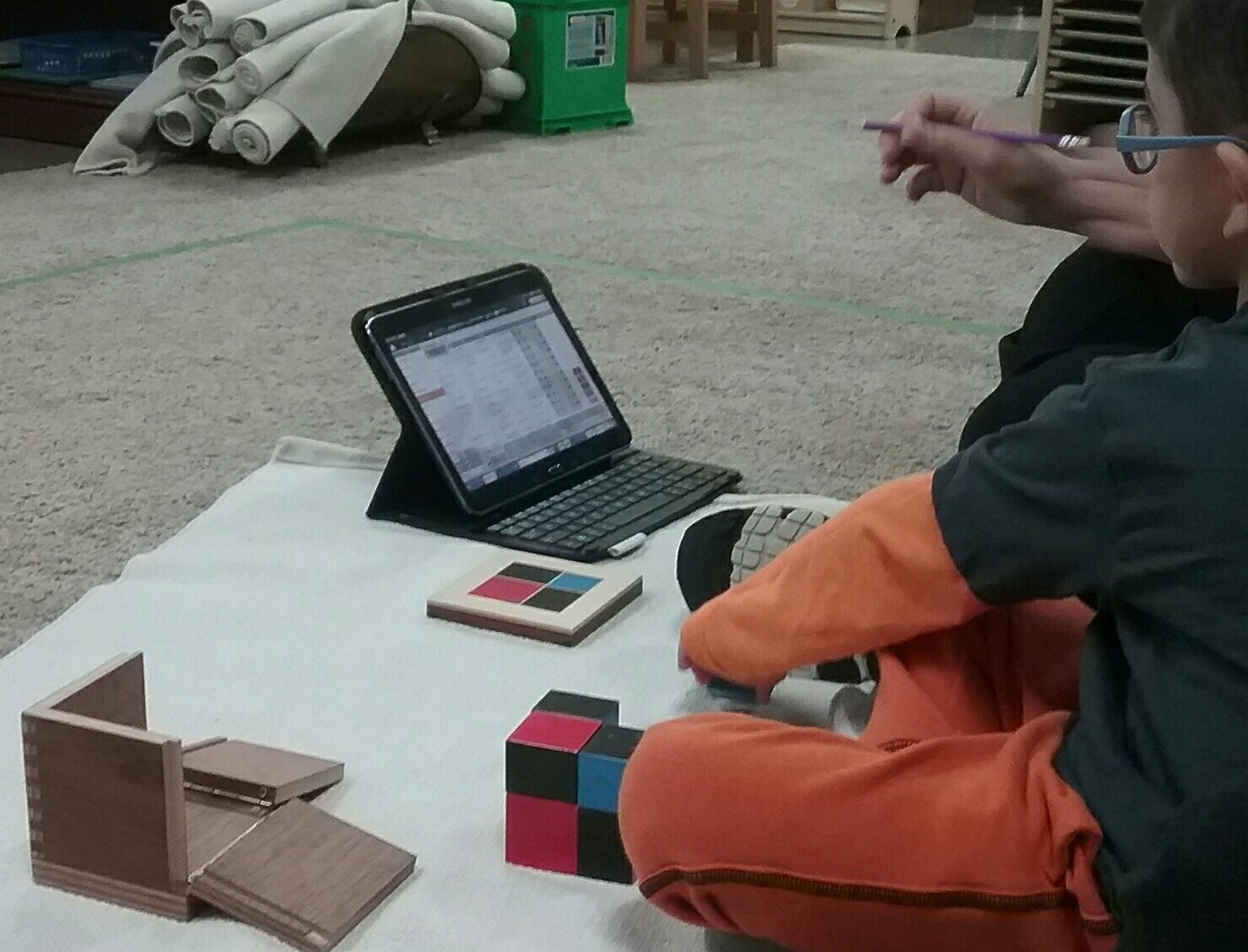
Did you ever wonder how the teachers keep track of all our students with all those materials on the shelf? The answer is a Montessori tracking program called MRX (Montessori Records Express). It tracks the individual student with the materials they are working on and mastered. It also exports that information to our progress reports and tracks attendance. We use MRX with our tablets.
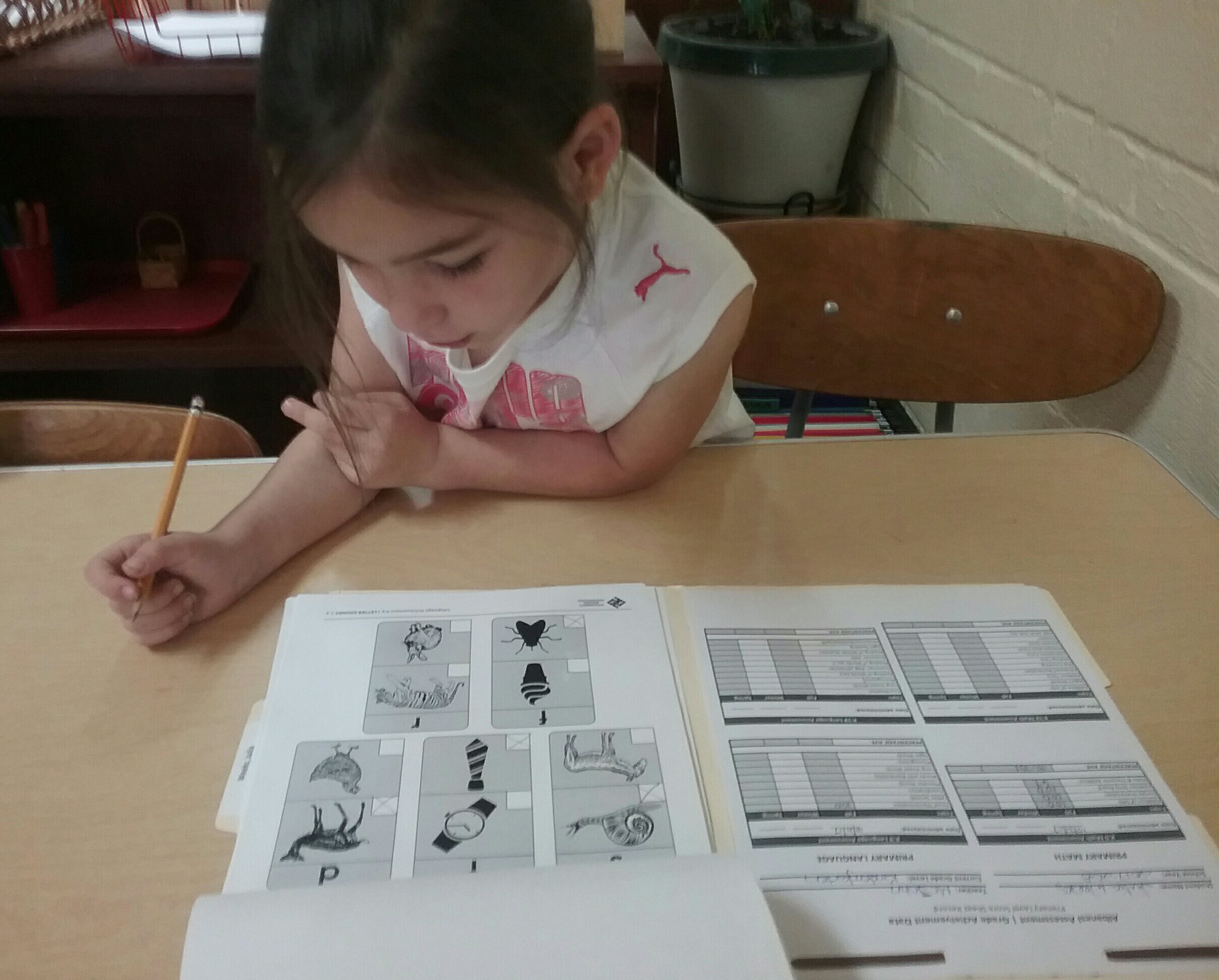
This assessment this student is working on is called the Albanesi Assessment. This test is a bridge between the Montessori works and a traditional test. We give these tests to our kindergarten students and old preschool students.
Peek Into Next Week:
Next week we will learn about insects, arachnids, and invertebrates.
We enjoyed exploring experiments in Science class this month! Here are a few of our favorite experiements:
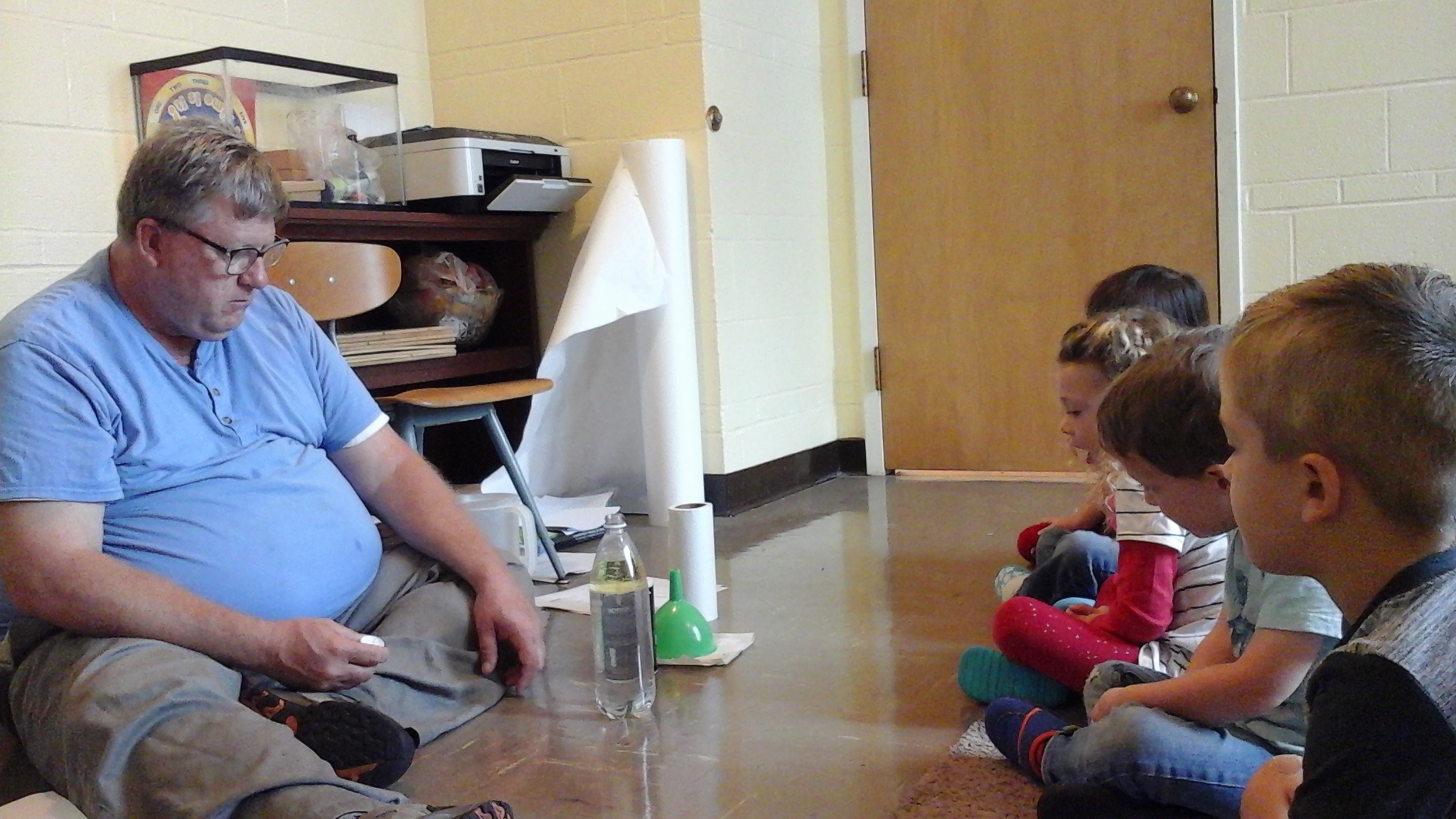
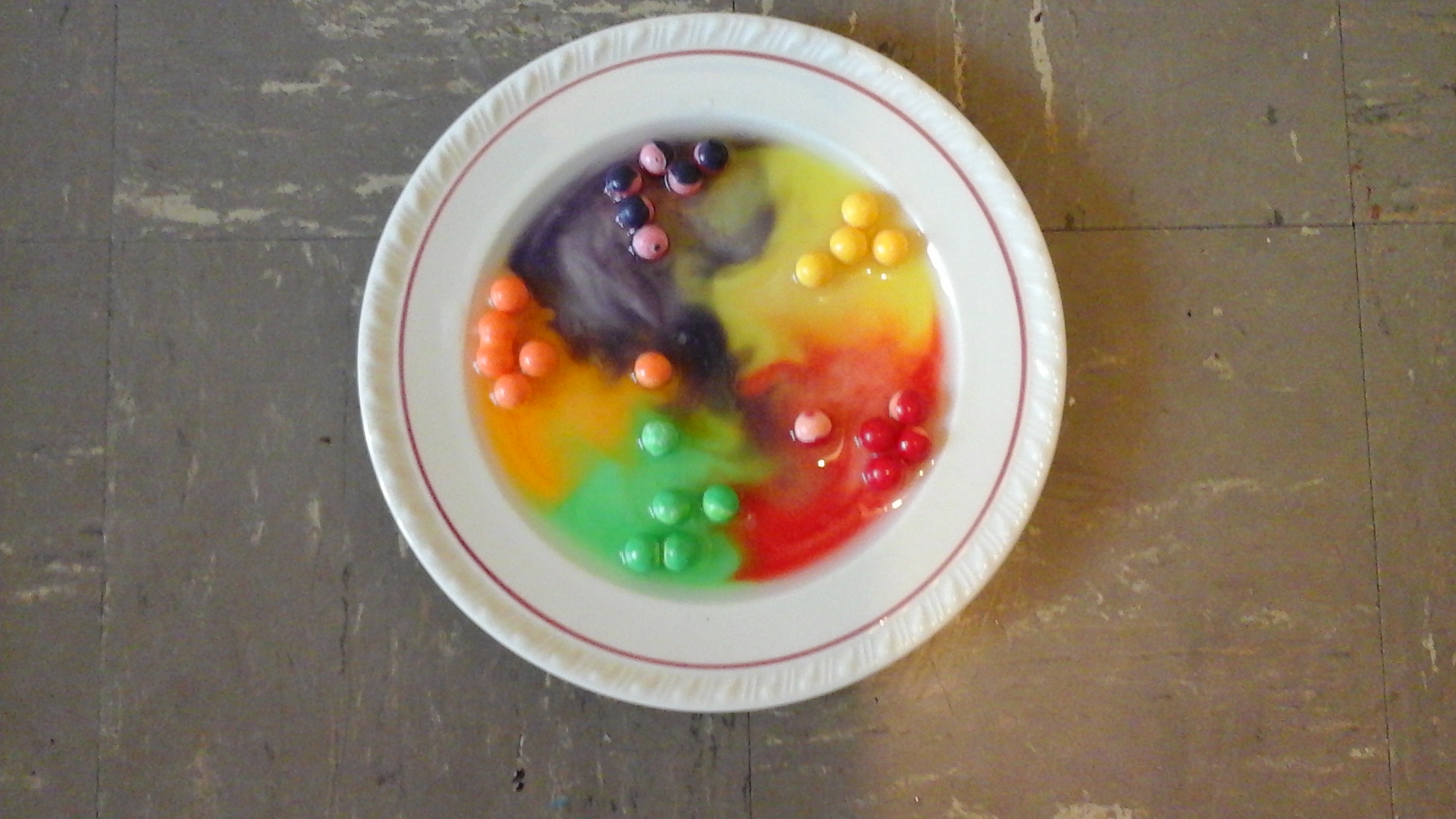
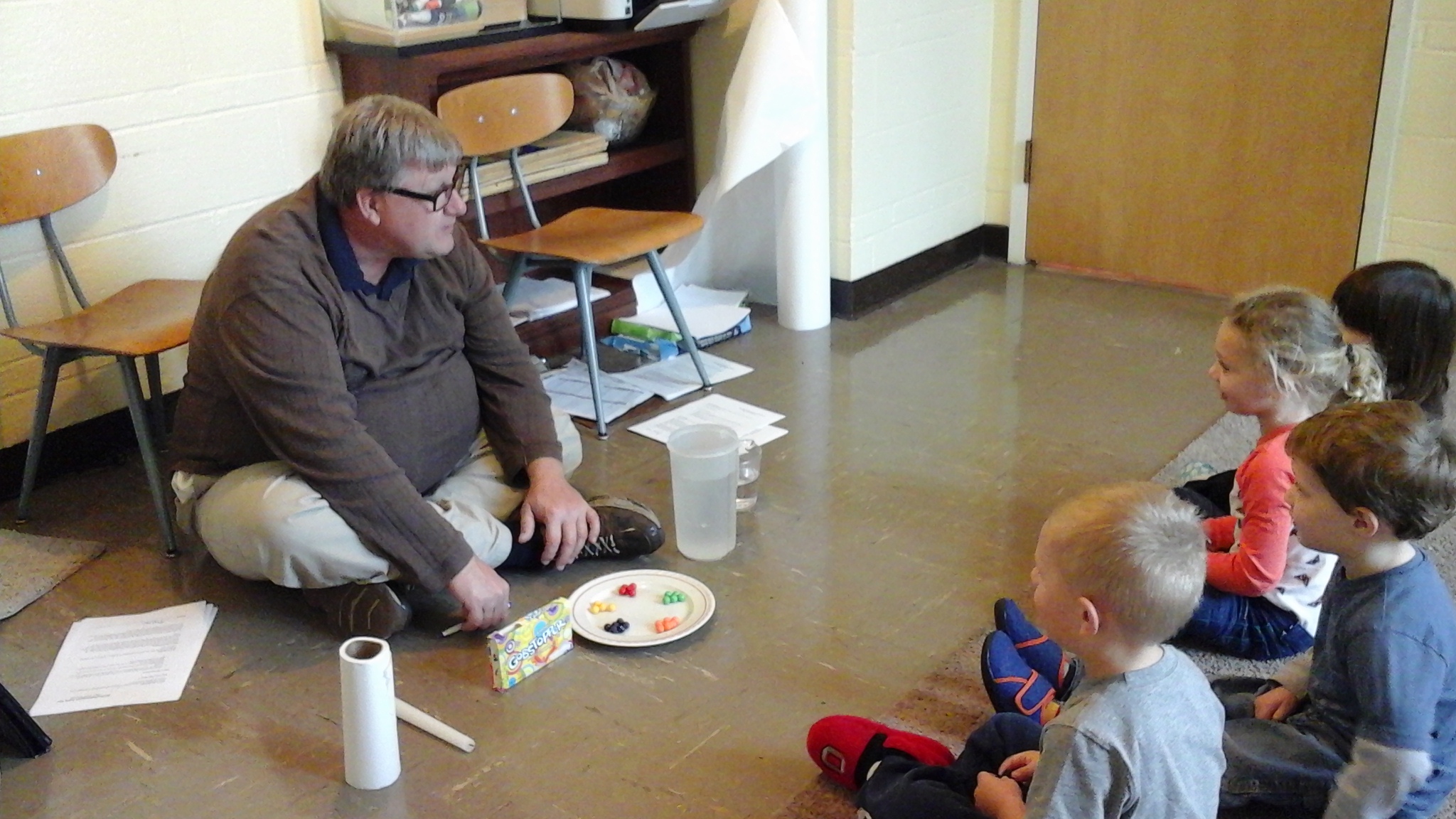
Sinking Salt- Density (10/5/17) The oil lies on top of the water. When we place the salt in the mixture, the oil and salt sink to the bottom.Skittles/Gobstoppers Candy Run-Water Soluble Materials(10/26/17) The colors run into each other and stop, initially forming perfect, colorful wedges. Because each color is coated with a thin layer of wax.The students loved this experiment and forming their hypothesis of what they thought would happen with the colors!
This past week we learned about different body parts. The students learned about the parts we can see on the outside and the parts we can’t see on the inside like our lungs, kidneys, stomach, small intestines, large intestines and heart. They made a model of a lung to keep in the classroom and discovered our anatomy apron where they enjoyed learning about the organs and where each one belonged by attaching the fabric organs to the apron.
Work Time
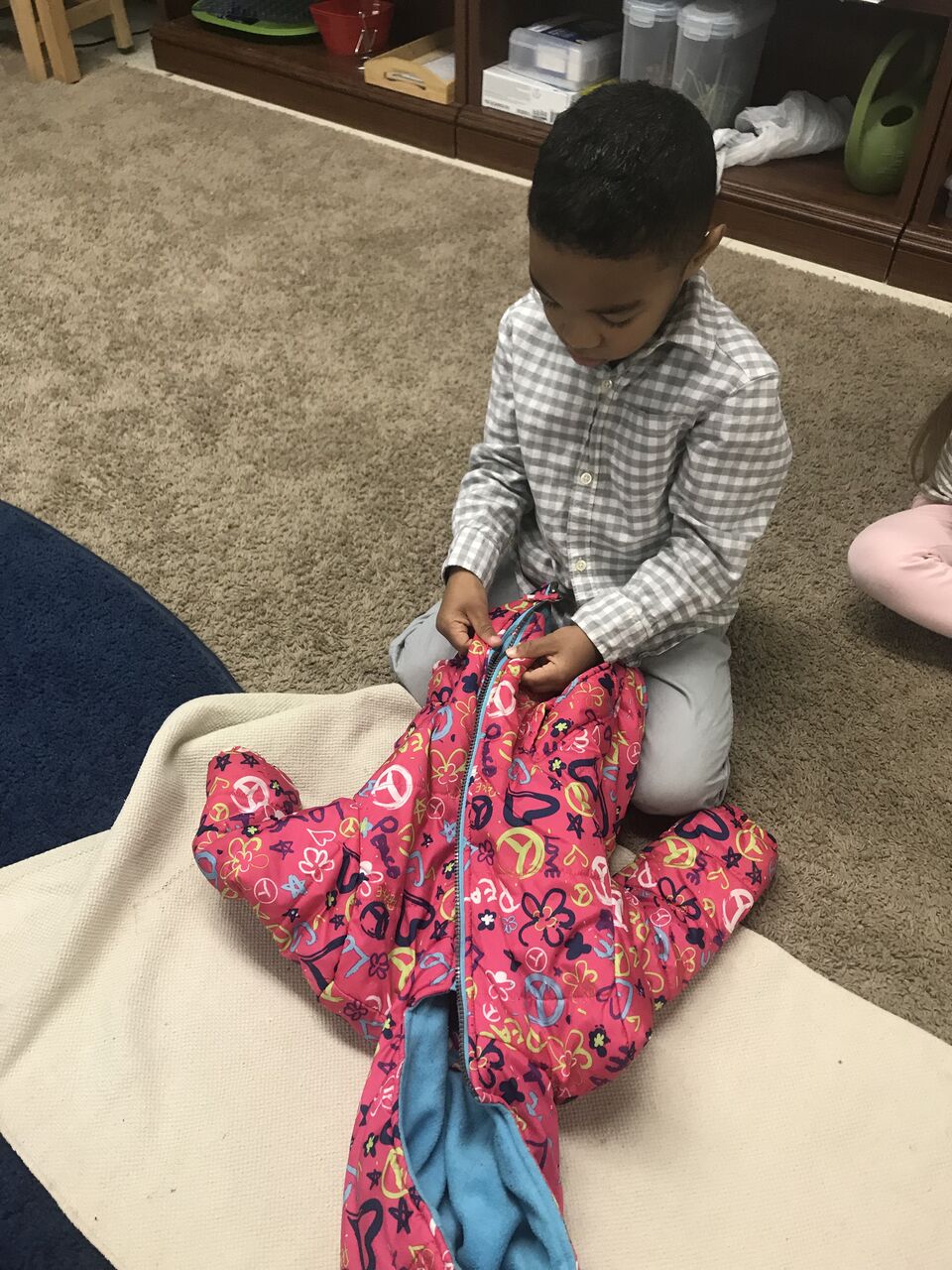
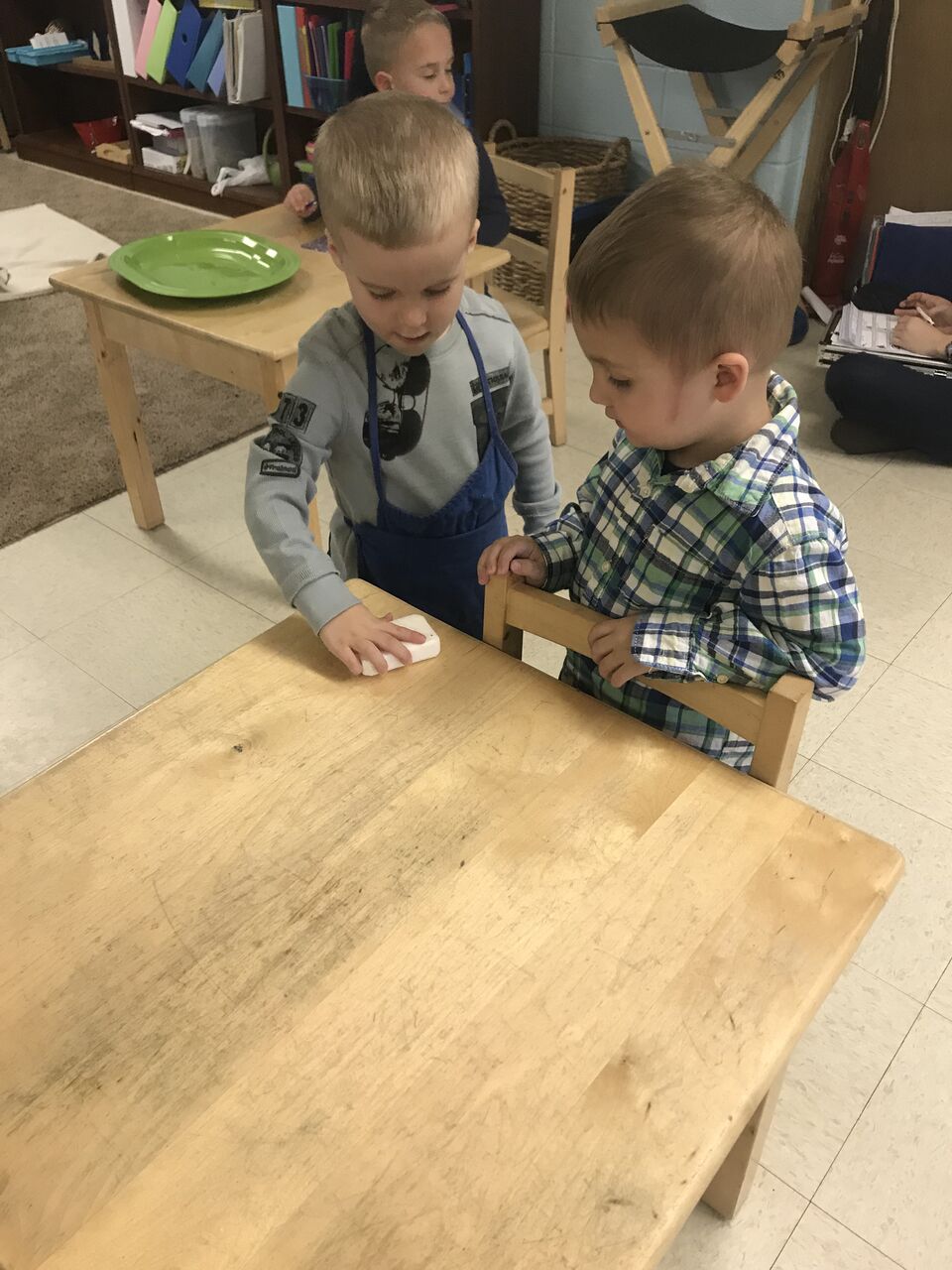
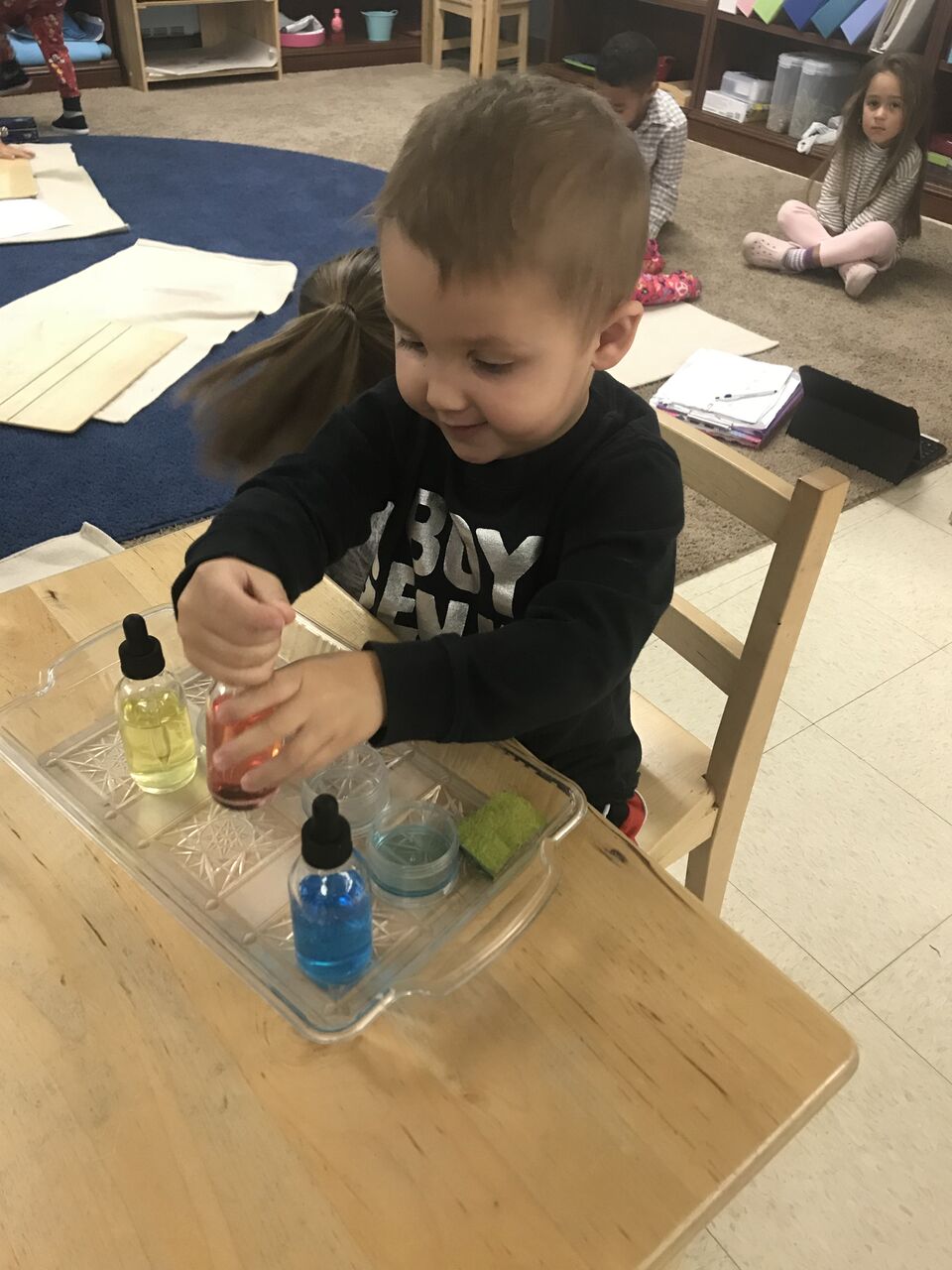
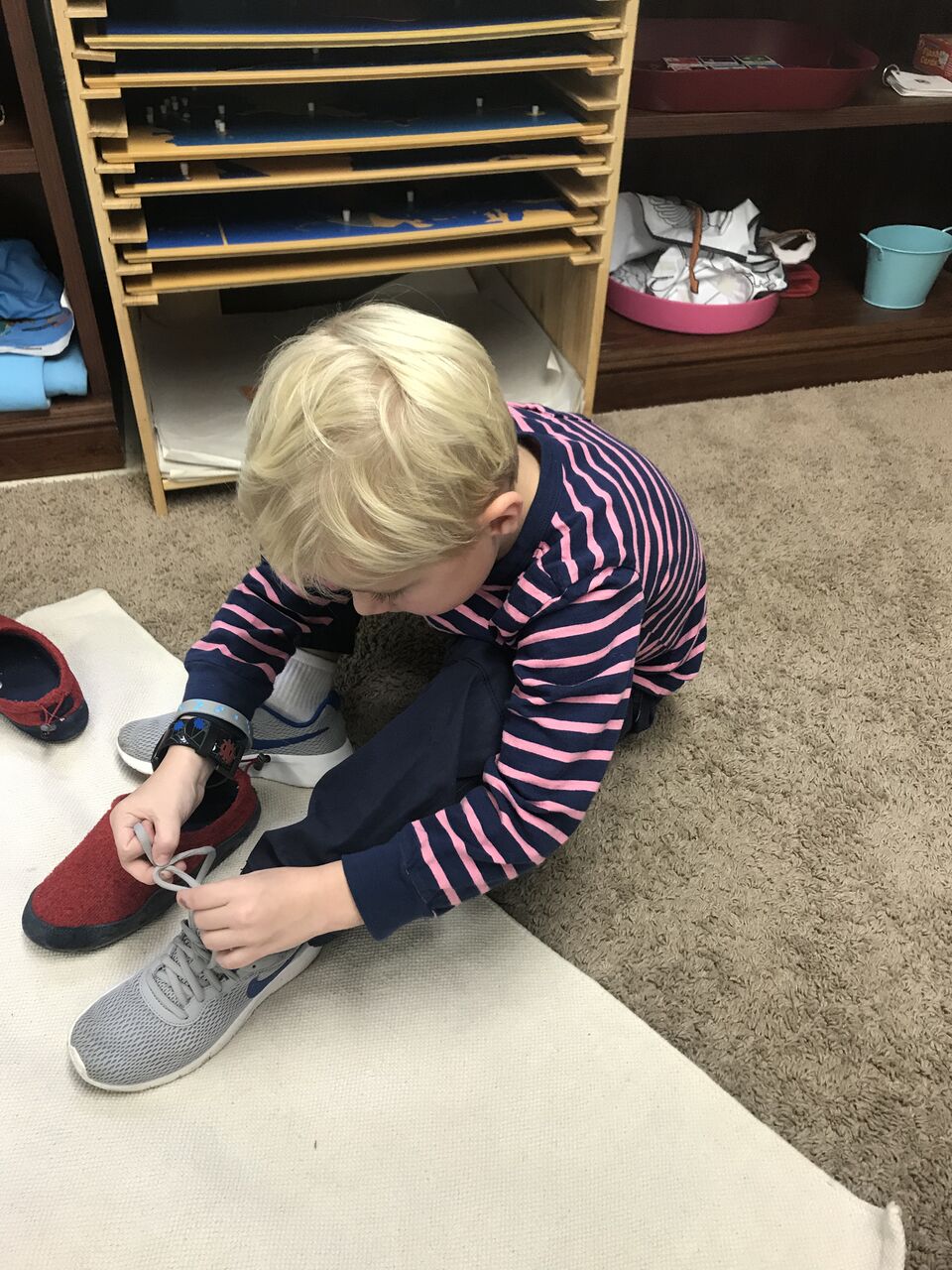
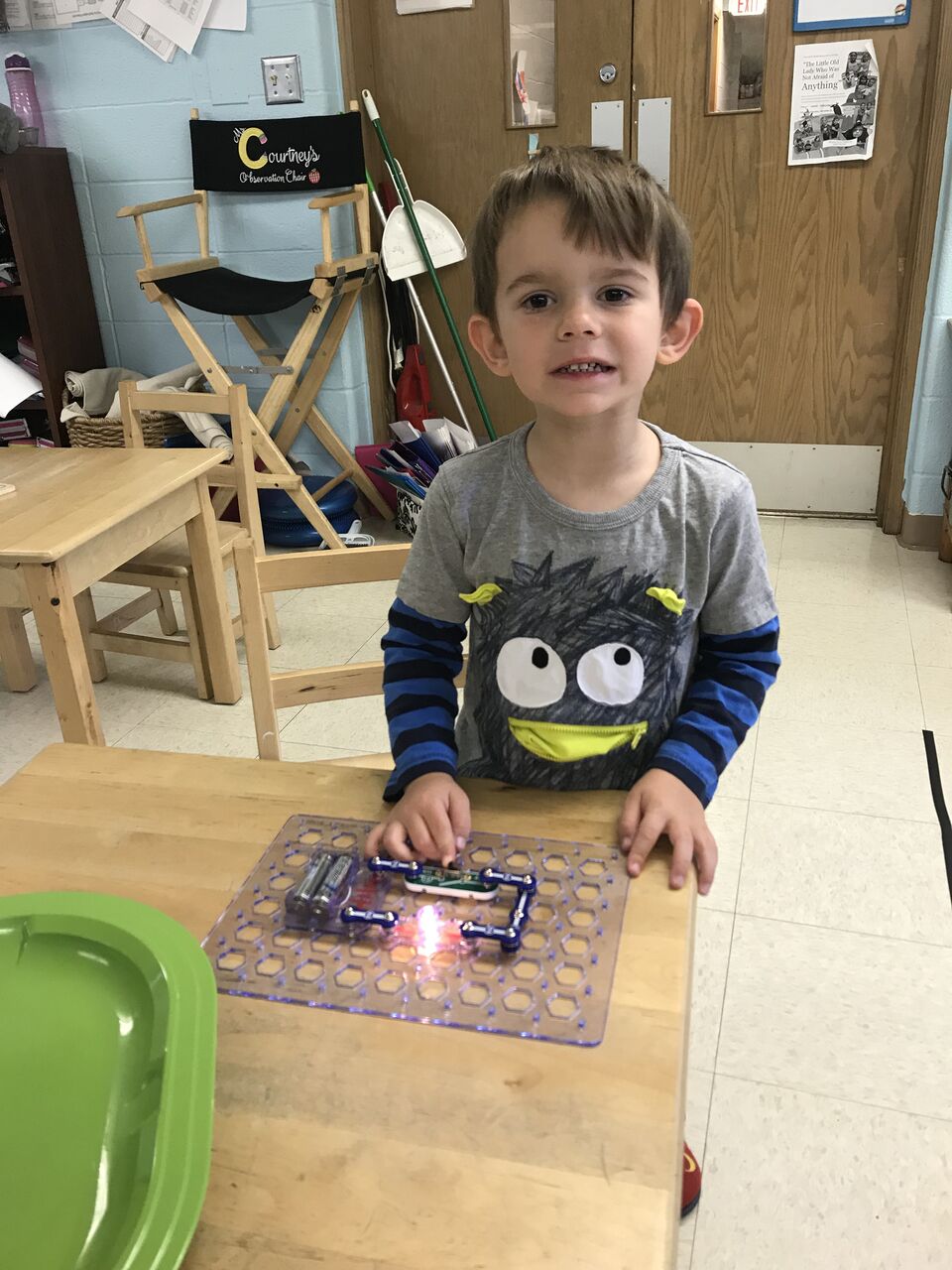
Zipping: This child is developing his independence and concentration while also gaining finger control and dexterity to manipulate a zipper.Table Scrubbing: One child is teaching another child how to independently wash a table and care for his environment. These children are also learning how to control their muscles particularly in their hands. They have to remember the order and sequence of each action to complete the task at hand which is developing their concentration.Color Mixing: This child is using the three primary colors to create secondary colors. He places one dropperful of red and one dropperful of yellow in a small dish and like magic, orange appears.Tying: This child is learning how to care for himself and developing a sense of independence while refining his fine motor skills and coordination of movements.Pumpkin Hammering: This child is hammering golf tees into a pumpkin and is developing the proper movements needed for manipulating a hammer and golf tee. He is also refining his fine motor skills by being able to grasp the golf tee and developing his strength needed holding a pencil to write.Circuit Board: This child has created a circuit (a pathway made of wires) that electrons can flow through. The batteries are giving the power source the electrons needed to move. When the electrons get to the light bulb it gives it the power needed to make it work.
Guest Reader
Reminders
November 15, 2017 | Bring Your Parent to Work-Time
November 17, 2017 | Parent/Teacher Conferences | NO SCHOOL for students
November 21, 2017 | Harvest Party
A look into next week: Food Groups
The children will become aware of five food groups (dairy, protein, vegetables, fruits, and grains).
The children will become aware of different foods from each food group.
The children will be informed that eating different foods from each food group will help them grow, think, and have energy to play.
The children will learn how to recognize different foods from each group.