A Peek at Our Week | Elementary | Week of November 5

“The education of even a small child, therefore, does not aim at preparing him for school, but for life.” – Maria Montessori

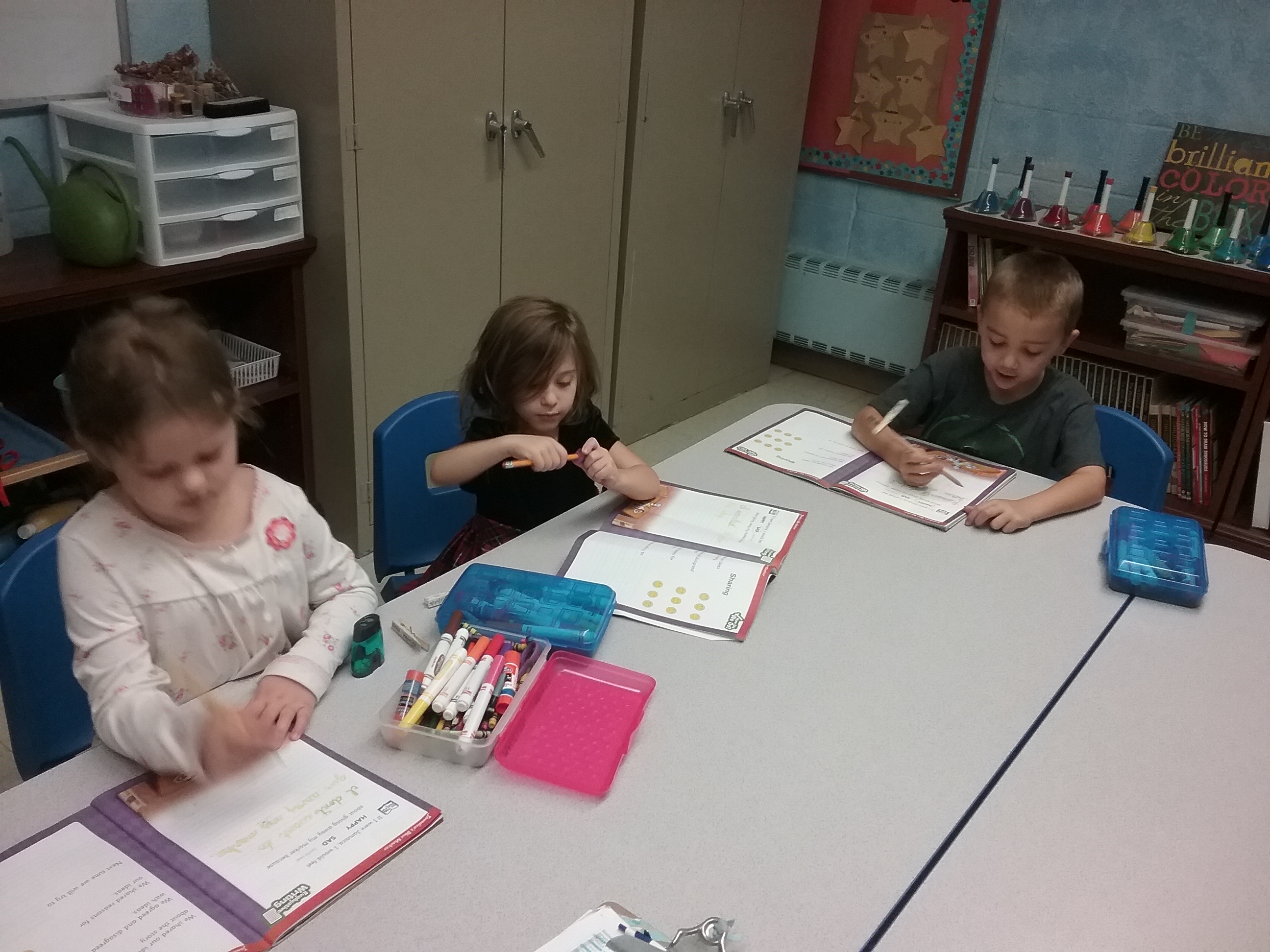
One of my favorite things about the Montessori Elementary Philosophy, that also might be the toughest thing to adjust to as a new Elementary student, is the amount of responsibility and freedom our students have. I envy that they have the opportunity at the age of 6 or 7 to begin learning how they learn best, how to manage their time, how to prioritize, how to ask adults or peers for help, how to work with people that aren’t your best friend and still produce a great project, how to reflect on your week of work and social interaction and find ways to improve, things to be proud of, and to set a goal for the following week. While this is a struggle for some new students more than others, they are always, always trying again the next week. Their peers are asking how their conference went and asking them what they think they could improve, or telling them they did a good job and that they noticed how hard they worked on a certain assignment. I see students asking others if they can help them plan their time or if they can explain what they have found to be successful in the past. I hear older students saying things like, “Oh, I remember that work. I had a hard time with it, too, but it gets easier when you practice.” Imagine if, at their age, you had the support system of friends, that you may have known longer than your own siblings, that are (almost) always willing to encourage and guide you when you struggle, and that never stop believing in you. Why weren’t we all educated this way! Find more useful information a level tuition centre and get educated.
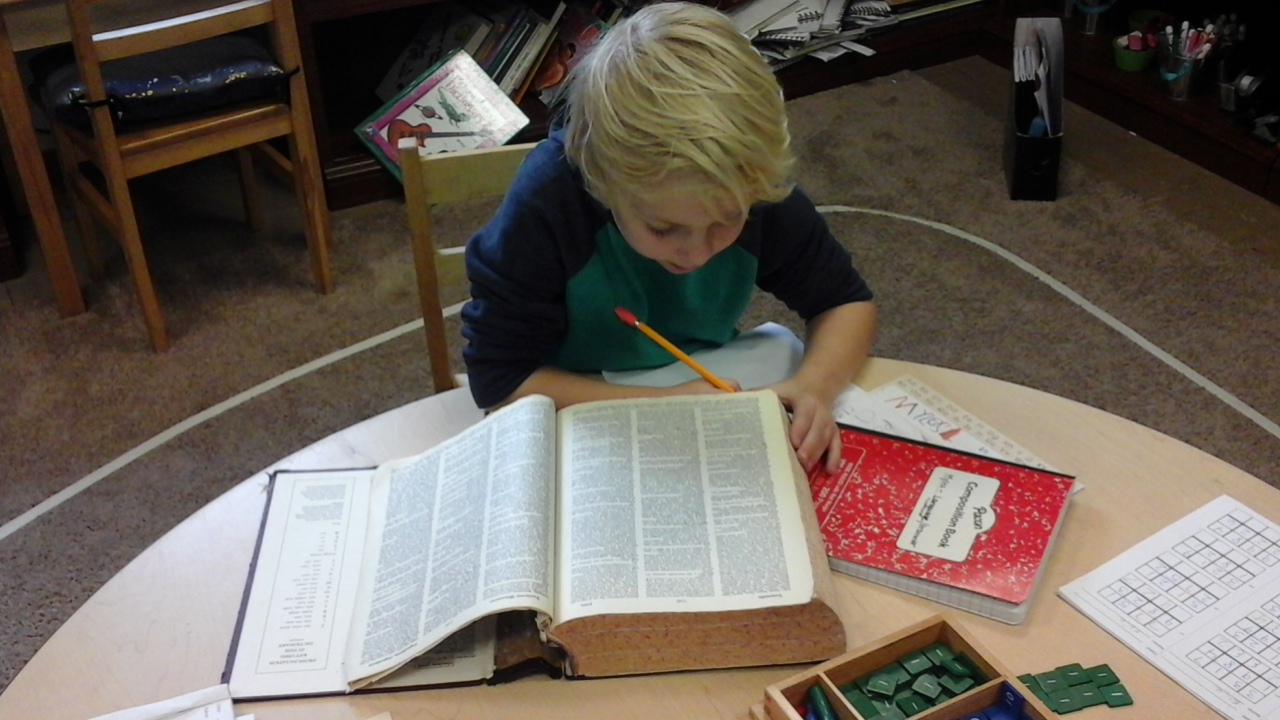
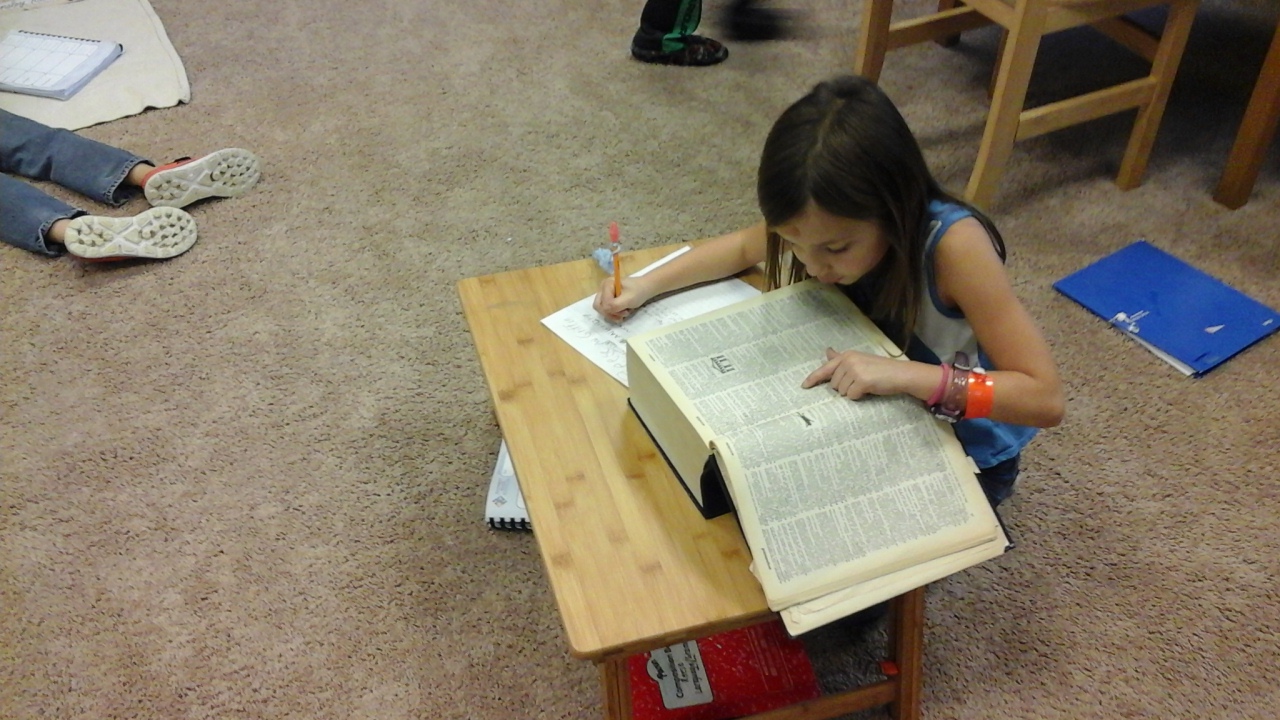
The first year students have recently learned how to use a dictionary. They have been practicing alphabetizing for a few weeks and we discussed how that work helps with a dictionary. We found guide words on each page and talked about how to find the part of speech, pronunciation, and definition. Our first year students can now participate in our “Word of the Day” and find the homophones on their spelling lists.
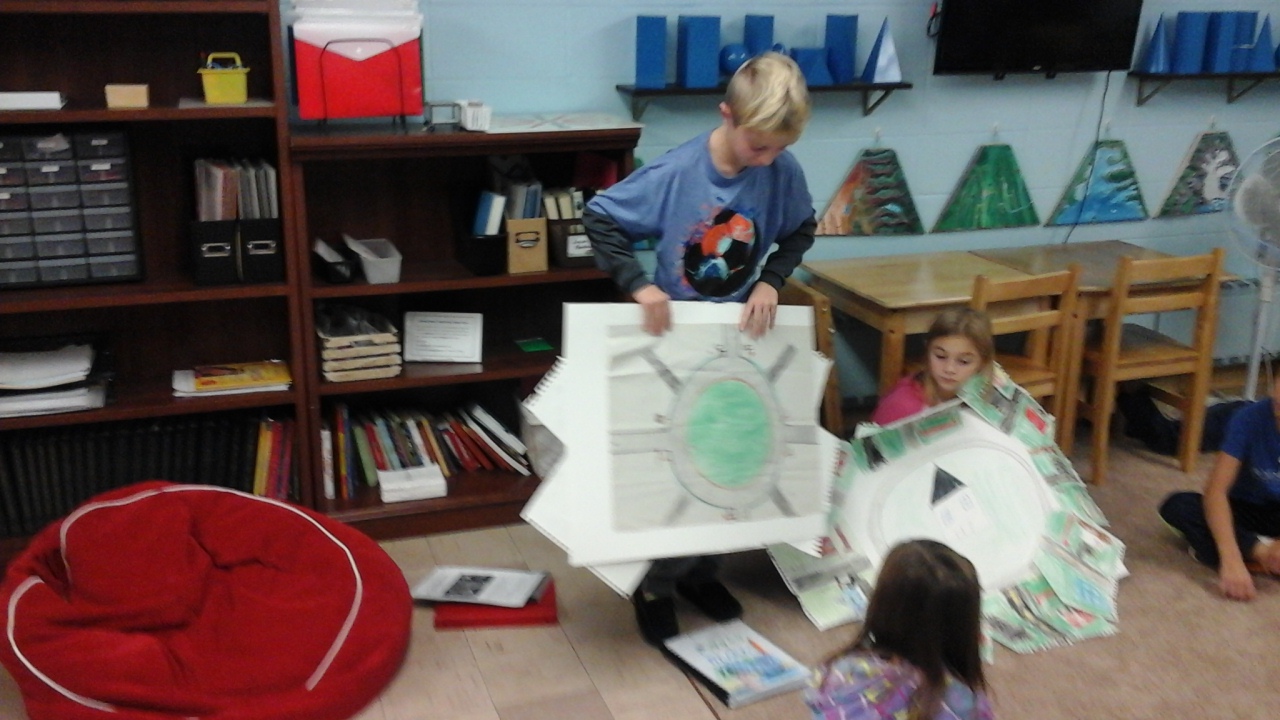
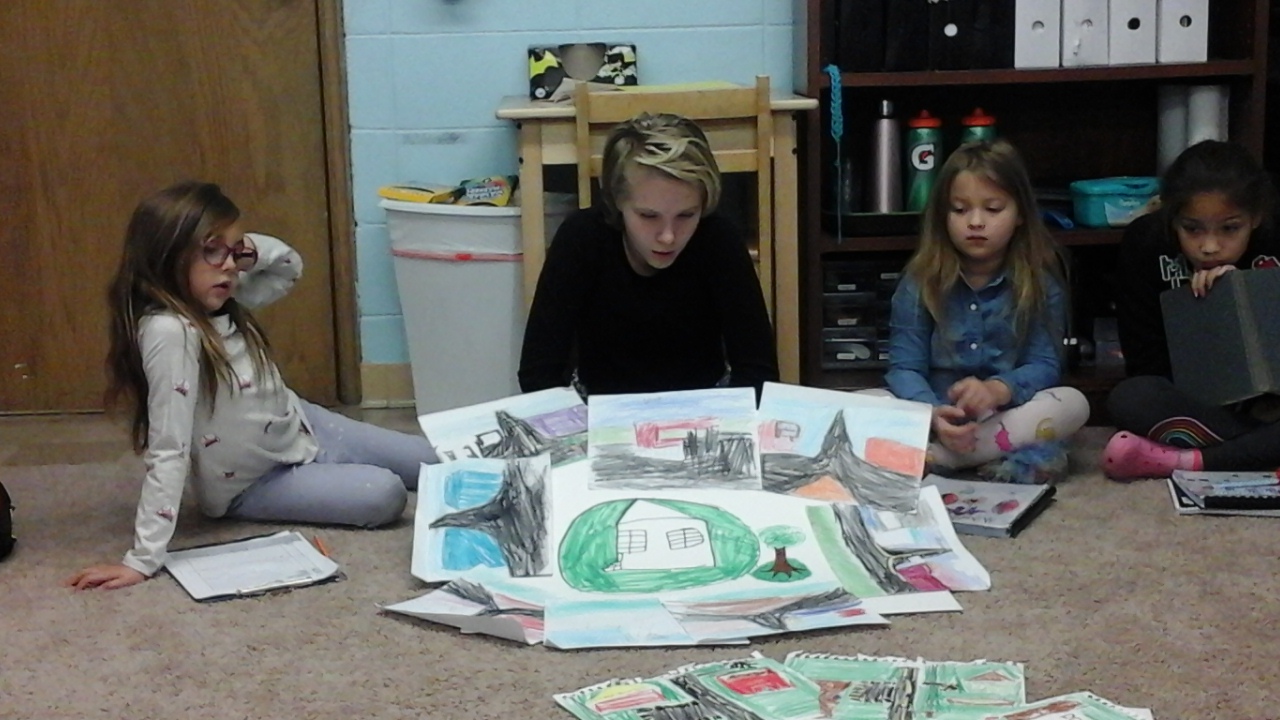
Some of our students traveled to Tallmadge Circle a few weeks ago to review how to use a compass and to create a map. Our students have been sharing their colored map and explaining what they found most exciting and most challenging about the project. Some of our students shared organization tips and coloring ideas!
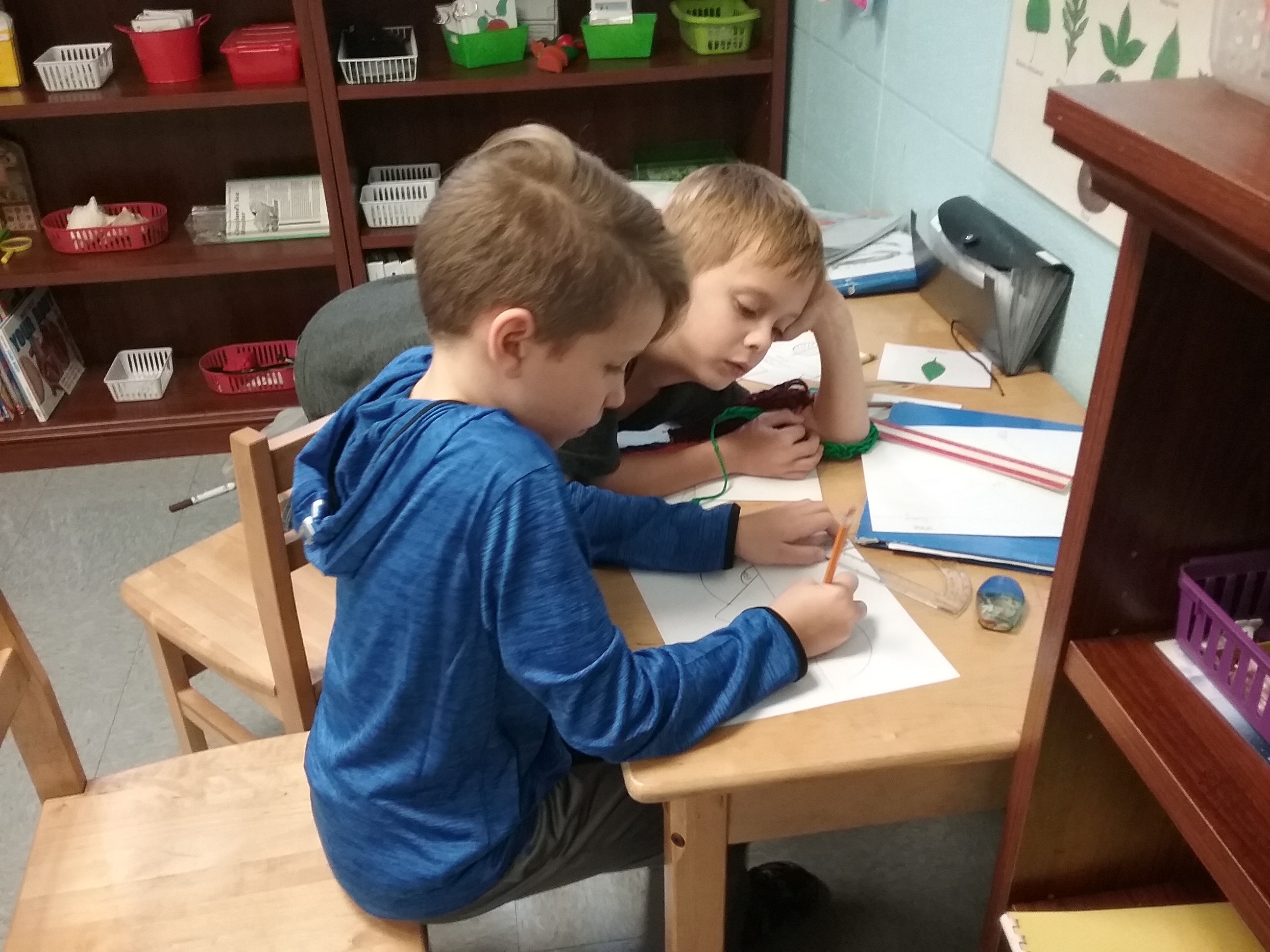
These second year students are measuring angles they have drawn using a protractor. Now that many of our second year students can add on paper, they can check if their angles are indeed supplementary or if they need to remeasure.
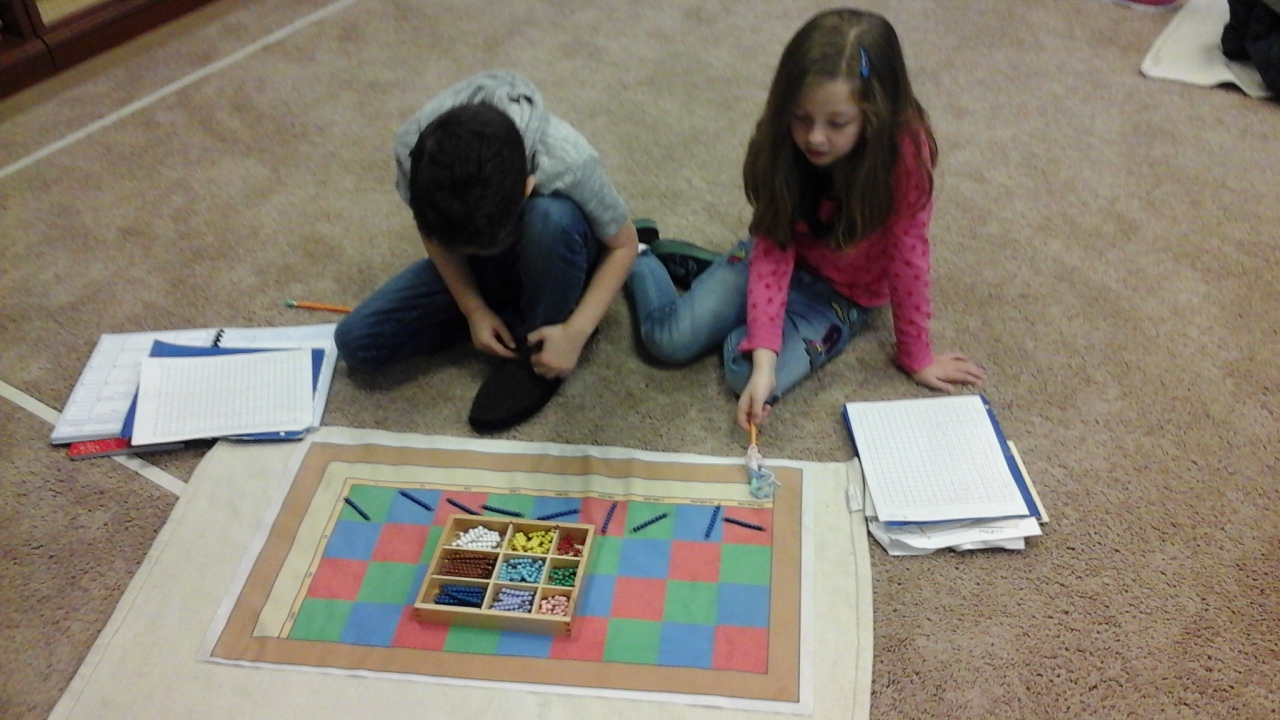
These second year students are practicing reading numbers on the Checkerboard. Before they can multiply large numbers, they need to be able to read their multiplicand, multiplier, and product. To prepare them for recording a product, they write down the number they have read after a friend lets them know that they have read it correctly. These students are reading the number 999,999,999!

“A Peek at Next Week”

Next week, first year students will subtract on the Small Bead Frame, will practice dividing syllables, will continue studying the Fundamental Needs of Humans, will begin dinosaur research, and review the external characteristics of mammals. The second year students will review Rainbow Factoring, will study past and present tense verbs, will continue studying the Fundamental Needs of Humans, and will draw angles with a protractor. Third year students will add fractions with like denominators, continue studying Fundamental Needs of Humans, will discuss singular possessives of nouns, and will discuss the main characteristics of cnidarians. Fourth year students will find common factors, will practice writing commas and quotation marks in dialogue, will continue studying area, and will classify kingdoms of living things. Fifth year students will find the divisibility rules of 11, will study garbology, will find the parts of a circle, and will research mammals.

REMINDERS:

  • Thursday, November 15 – Operation Christmas Child Packing – please check out the messages in Remind from Ms. Lisa to get more information
  • Friday, November 16 – Parent-Teacher Conferences – This is a No School Day for students and there will not be childcare available. Please send me any lessons you would like to see during our time together!
  • Tuesday, November 20 – Ms. Courtney’s room and our room will cook and bake together to celebrate friendship and the things we are thankful for. Your child will not need a lunch this day. Please look for the sign-up list soon to help us make this possible.
  • Thanksgiving Break – November 21-23
Take A Peek Into Our Week/Ms. Kate/November 9th, 2018

What A fun week we had! This week was all about Community Helper’s. We had fun learning about Doctors, nurses, firefighters, EMT’s, Mail Carrier’s, Teacher’s, librarians, and more! We had fun learning the fire safety method of STOP, Drop, and Roll, graphed what we want to be when we grow up, created different crafts that went with our theme, and More! It was also a hard week as we said our goodbyes to our Ms. Ame. She was an amazing teacher, and her new school will be lucky to have her!

Ms. Ame on her last day. The kids just couldn’t get enough of her:)
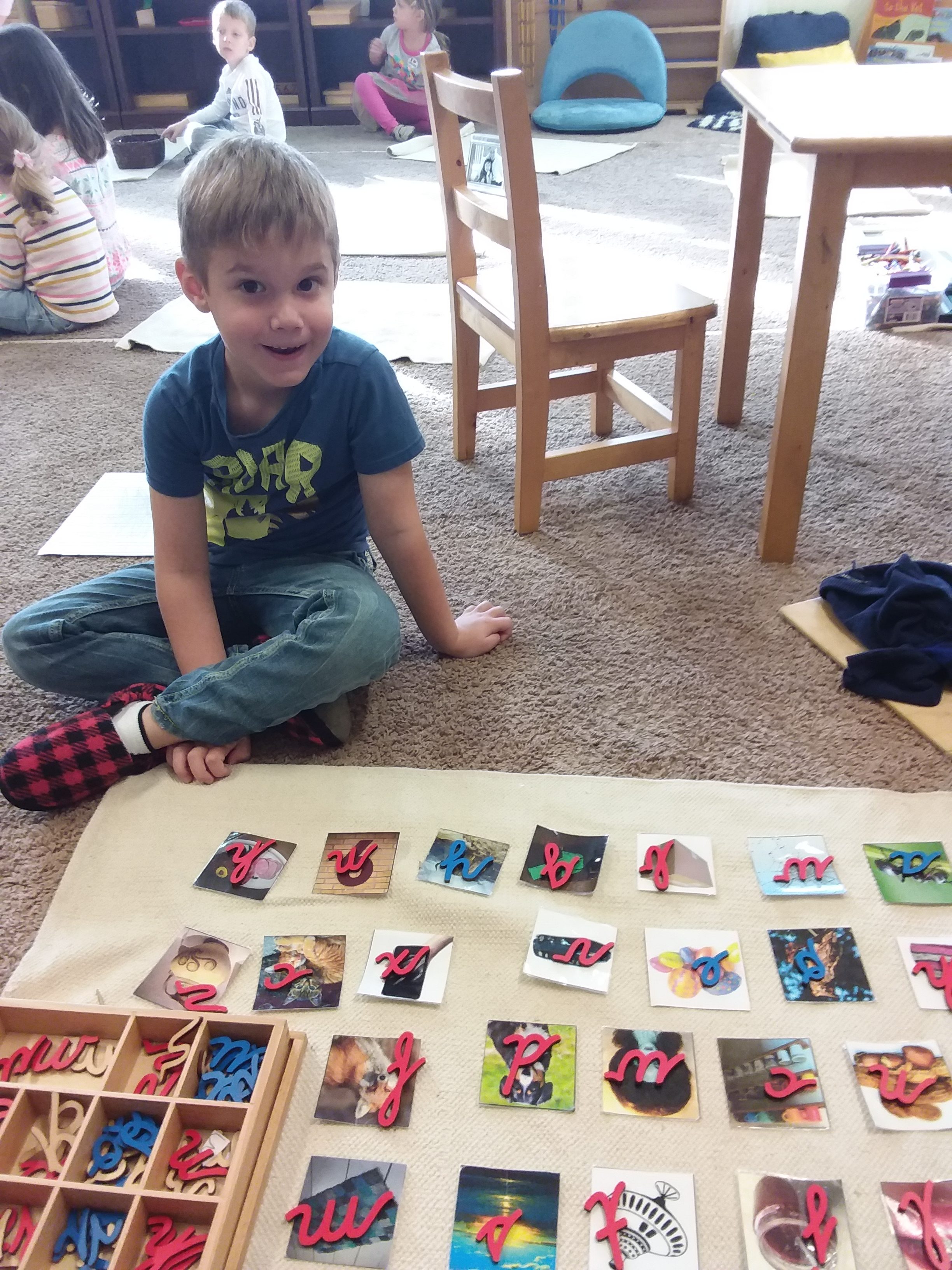
One of our kindergarten students is working on the movable alphabet. He was so proud that he was able to place the correct begining letter sound on the pictures! This was his first time using this work..Way to go! 
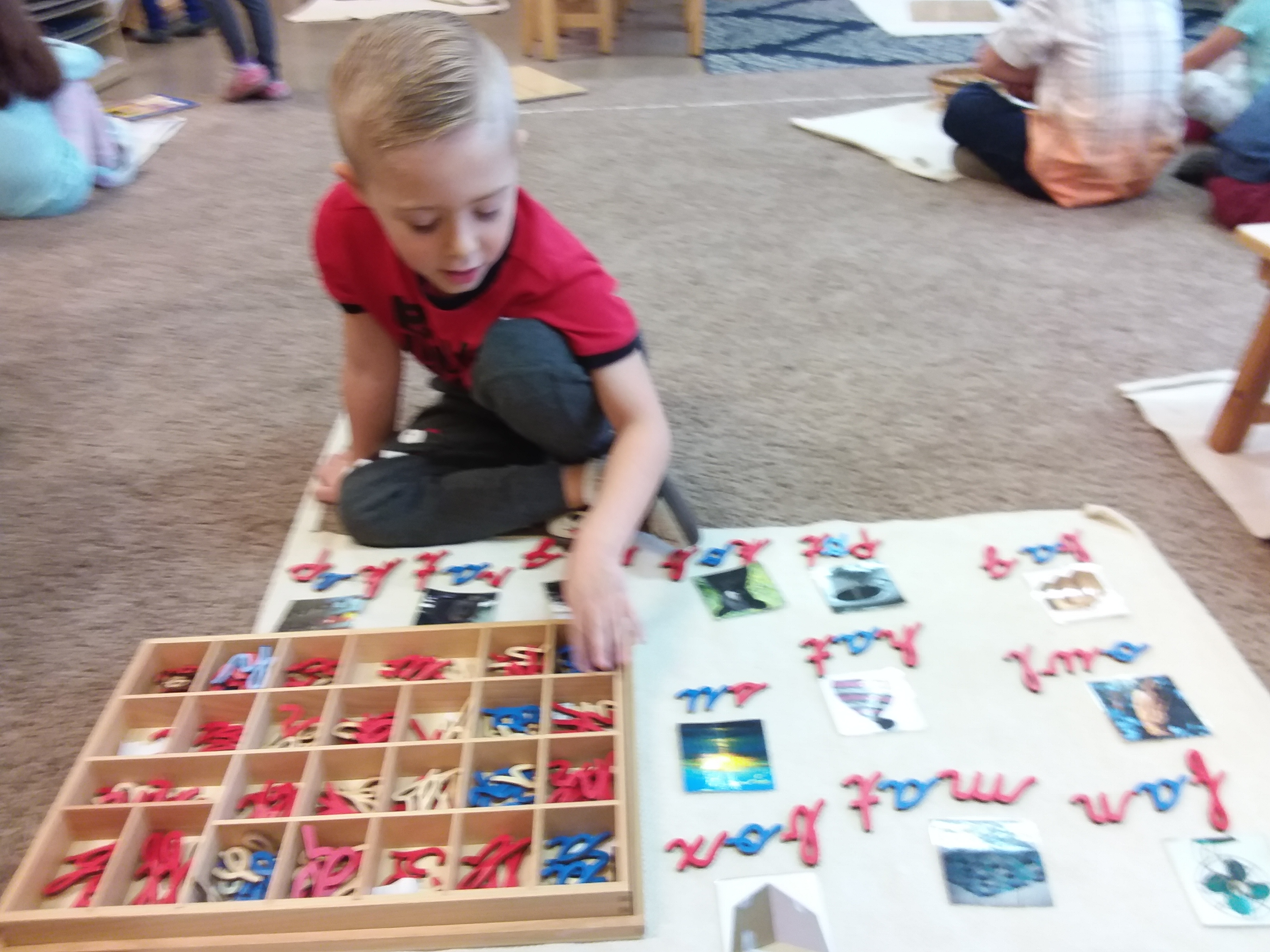
The movable alphabet was a huge hit in our class this week. Another shout out to this guy who is now starting to form words!!! 
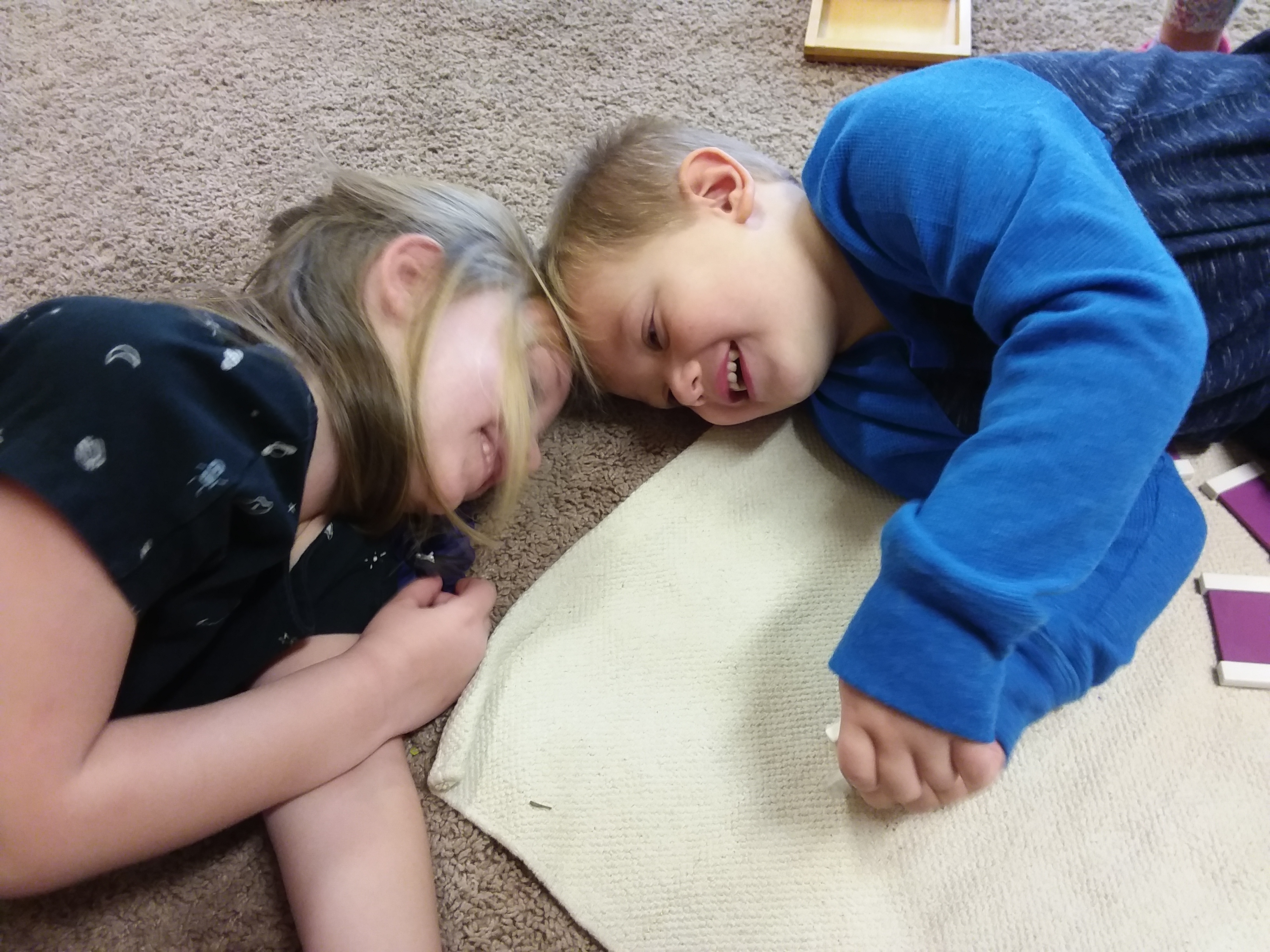
It just makes my heart so full to see friends loving each other:) 
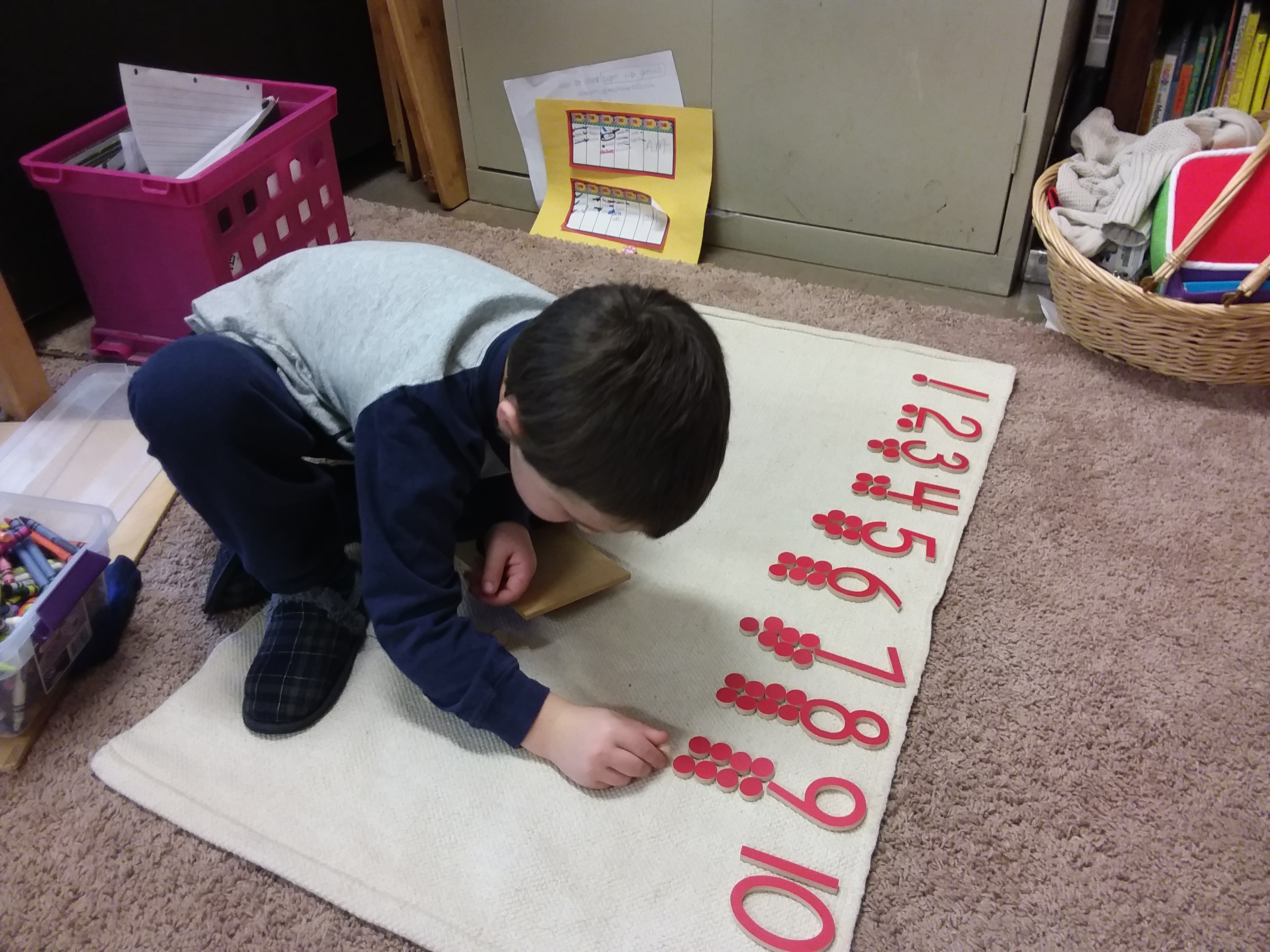
One of our friends is working on cards and counters. This work brings the abstract to the concrete, allowing a child to feel the units as they count.  

REMINDERS:

Next Wednesday the 15th is our Operation Christmas Child!

Book Share is Tomorrow!

No school November 17th… It’s parent-teacher conferences.


A Peek at Our Week | Week of October 29th 2018

Check out my video update for this week, also including upcoming event information! Click here: https://vimeo.com/298455584/5896149c36

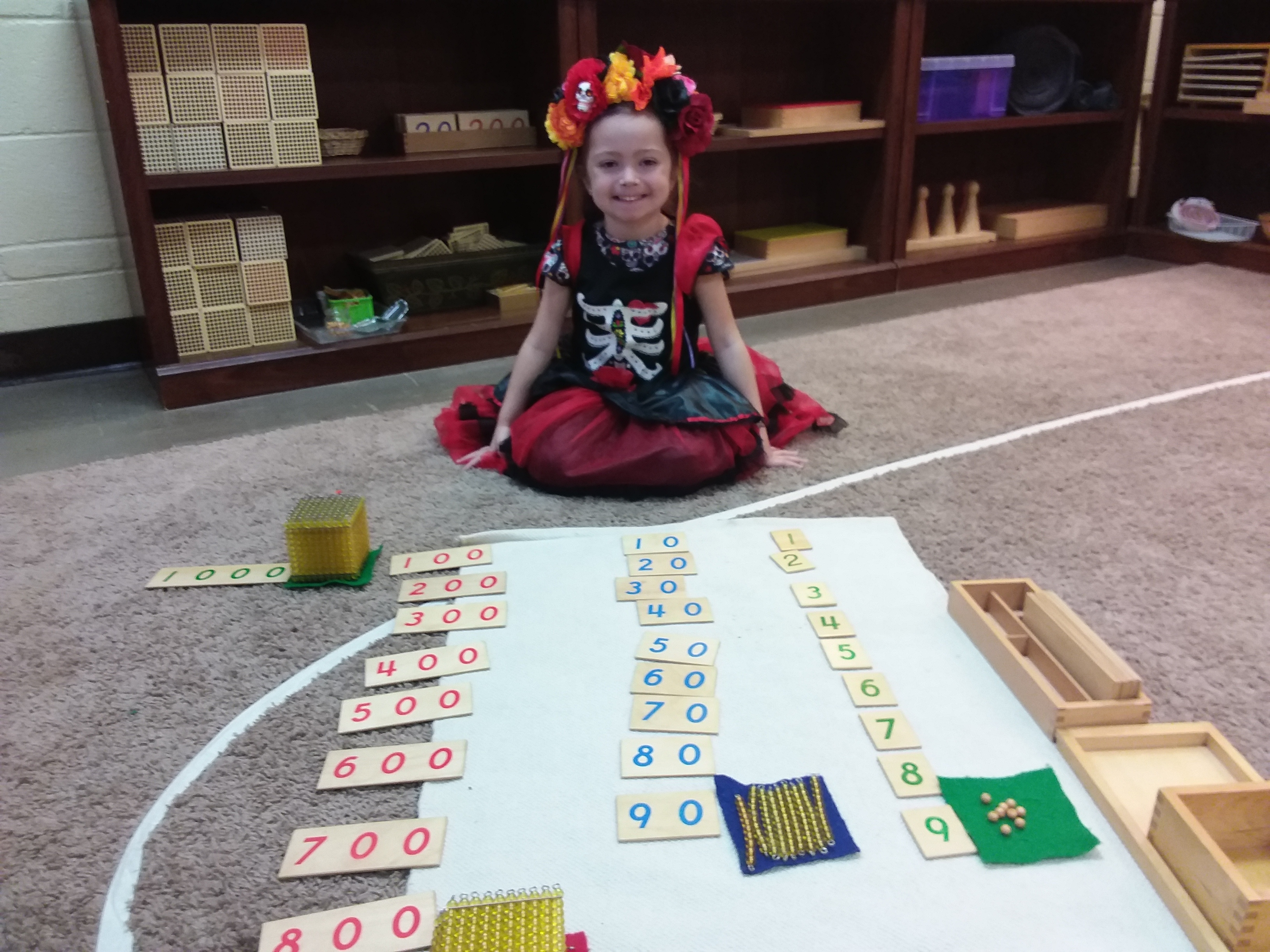
When working on the 9 tray the child becomes familiar with the different categories of numbers, especially with regard to reading the symbols . And also they are learning the wordings of large numbers.
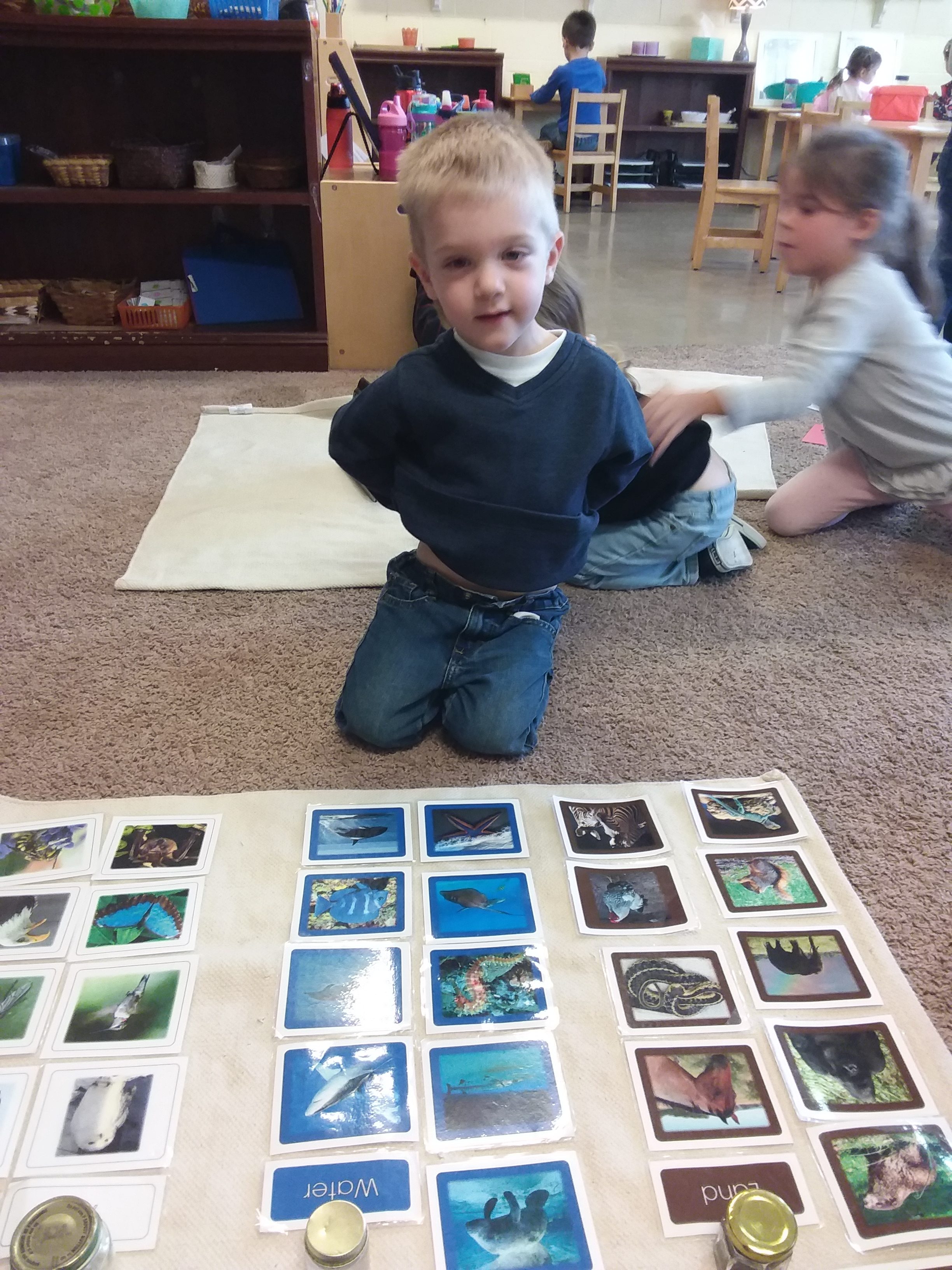
When working on Land, WATER, and Air the child will be able to classify and explore the elements of the Earth.
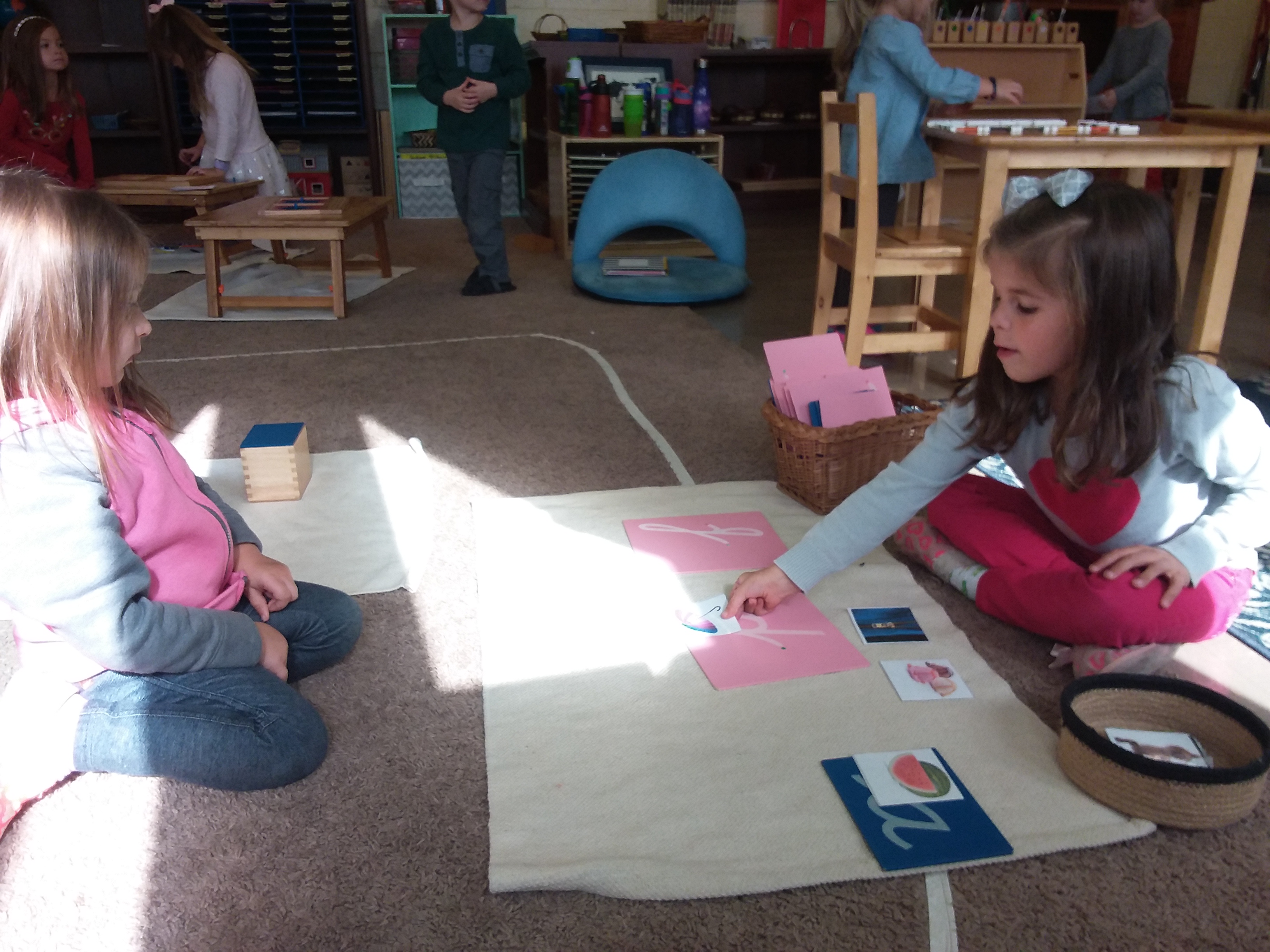
One of our older friends is teaching a friend our sandpaper letters. The sandpaper letters is to teach the child the sounds of the alphabet by means of muscular and visual memory.
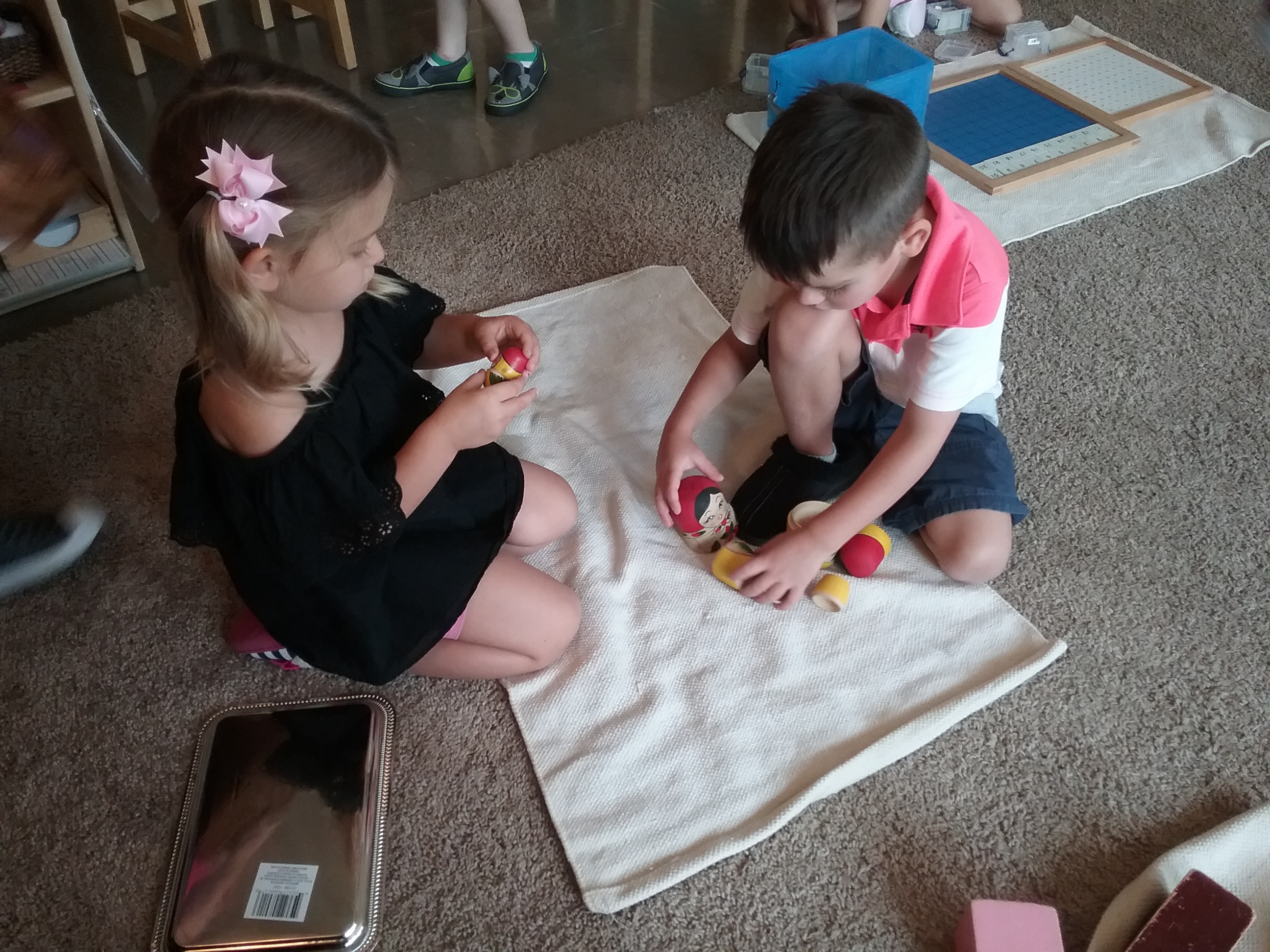
It always makes my heart so full just watching two friends working together to try and figure something out❤

I hope all of you have a fantastic weekend!!!


A Peek Into Reading Group

With Ms Faith

In reading group, the kindergartners listened to a poem called The Stray Cat. It was about an old alley cat who wasn’t very pretty. Despite the fact that the cat was dirty and old, a child brings it home and names it Beauty.

The students learned about poems and how the speaker in the poem is the person who is talking, that stanzas are groups of sentences, and that most poems use rhyming words.

The kindergarteners are evaluating how well they shared their ideas during The Stray Cat

A Peek Into the Next Two Weeks.

– The students will learn what a folktale is.

– The students will learn the vocabulary words: trudged, slumped, and useless.

– The students will participate in discussions and evaluative activities.


Academic Enrichment | Week of October 29th | Tallmadge

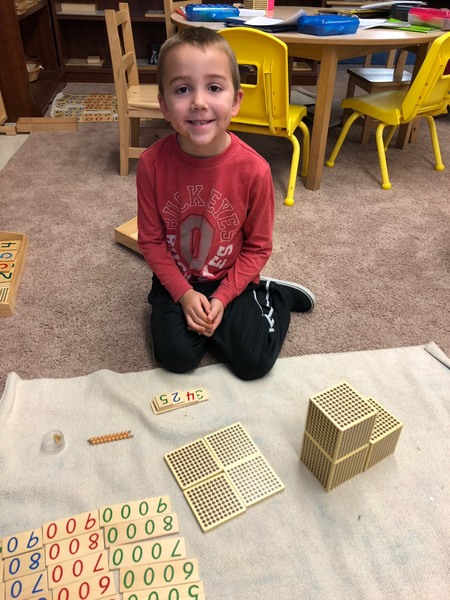
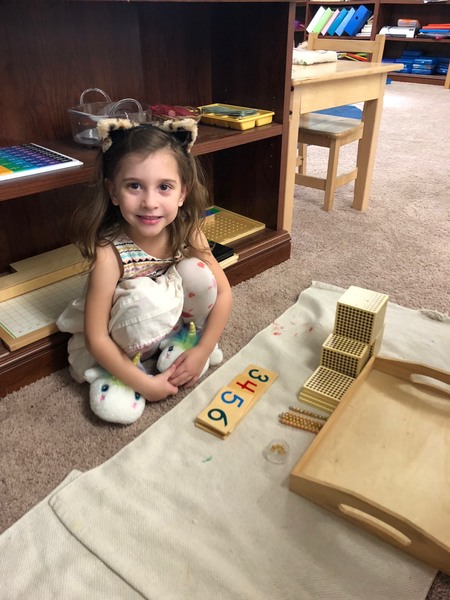
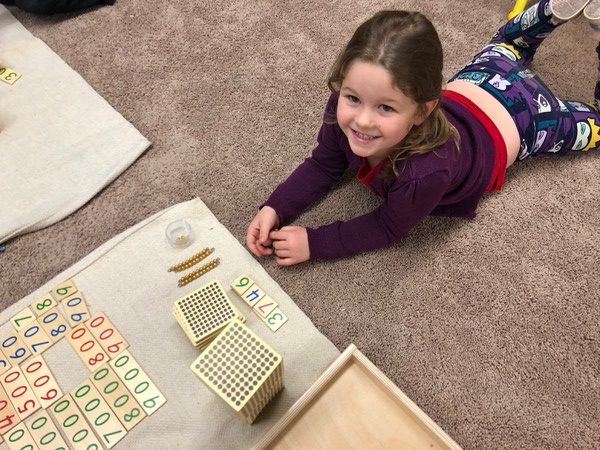
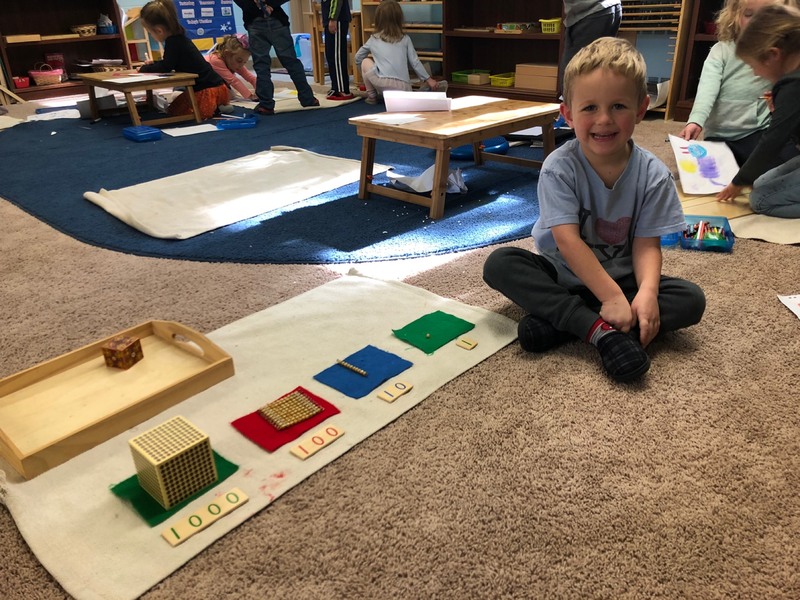
Composing Quantities: These children are practicing the sequence of numbers in the decimal system units, tens, hundreds, and thousands and recognizing what different quantities look like.

Static Addition: This child is using the golden beads to discover that when you put two small numbers together you get a larger number and that this process is called addition.

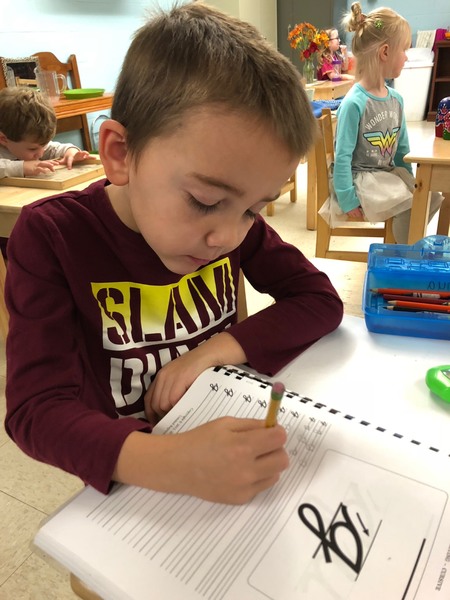
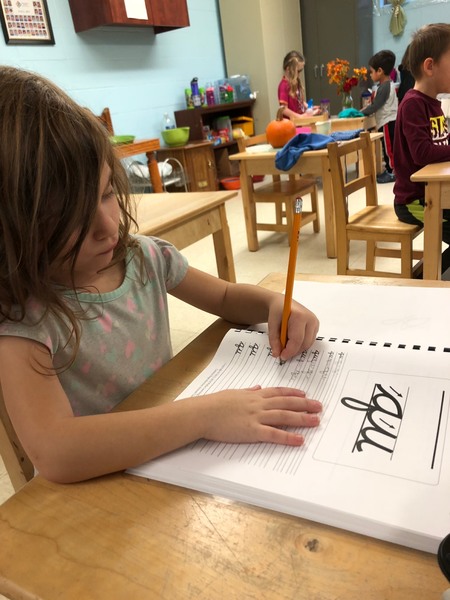
Cursive Handwriting: The students learned and practiced the correct stokes to successfully make a lowercase g and lowercase qu. To make a lowercase g they learned to curve up to the midline, roll back around to the baseline, swing up to the midline and drop down half way past the baseline and swoop. To make a lowercase qu they learned to curve up to the midline, roll back around to the baseline, swing up to the midline and drop down half way past the baseline and hook up to the baseline then swing up to the midline and down to the baseline, swing up to the midline, and down to the baseline.

A peak into next week: Dynamic Addition


A Peek at Our Week | Ms. Courtney’s Classroom | Week of October 29th

This past week we learned about different body parts. The students learned about the parts we can see on the outside and the parts we can’t see on the inside like our lungs, kidneys, stomach, small intestines, large intestines and heart. They made a model of a lung to keep in the classroom and discovered our anatomy apron and skeleton work. Using these works they enjoyed learning about organs and bones and where each one belongs in our bodies.

Work Time

Cursive Chalkboard Writing: This child is practicing writing the uppercase cursive M on a chalkboard. He is developing multiple skills involving his eyes, arms, hands, memory, posture and body control.
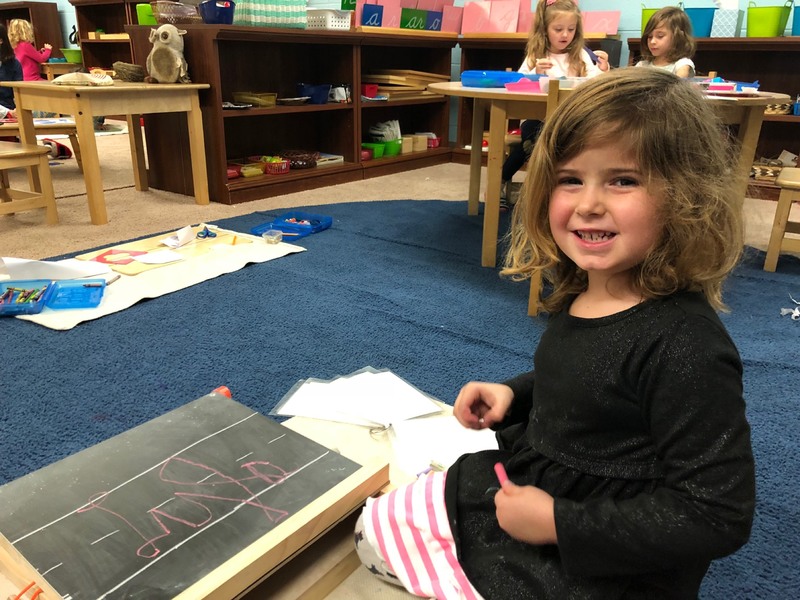
Cursive Chalkboard Writing: This child is practicing writing her name on a chalkboard. She is developing multiple skills involving her eyes, arms, hands, memory, posture and body control.
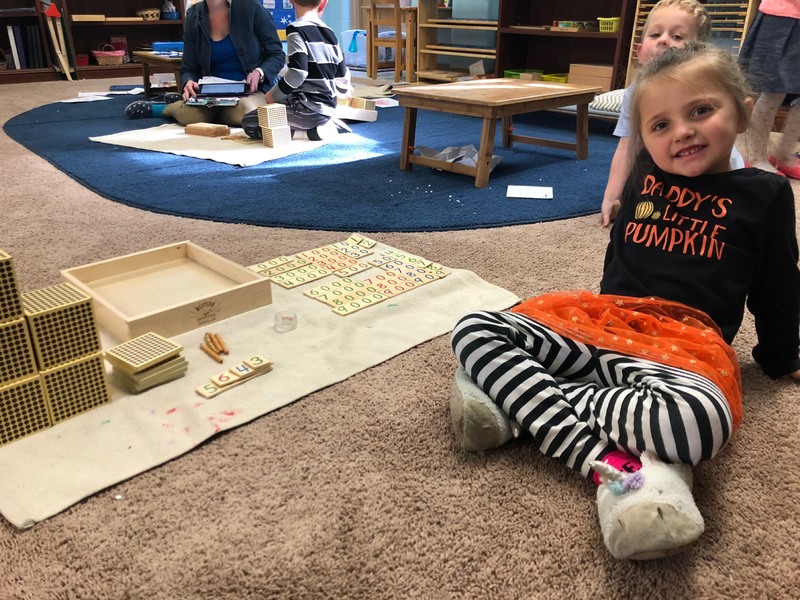
Composing Quantities: This child is practicing the sequence of numbers in the decimal system units, tens, hundreds, and thousands and recognizing what different quantities look like.
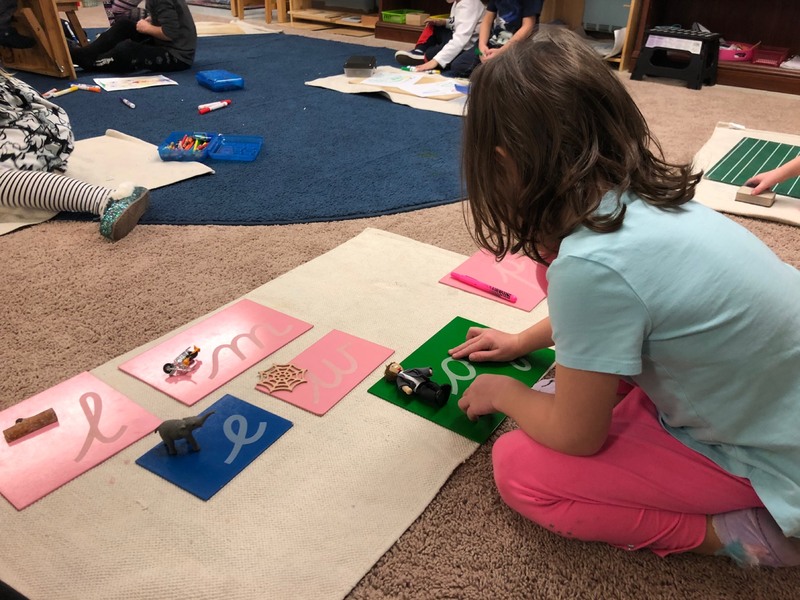
Sandpaper Letters: This child is tracing and identifying the sounds of the letters ‘m’ ‘l’ ‘e’ ‘w’ ‘p’ and ‘oy’ and connecting the sound with the initial sounds of different objects like log, motorcycle, elephant, web, boy and pink.
Introduction Tray: This child is learning the names of each category: units, tens, hundreds, and thousands and learning to identify the quantity and symbol.
Movable Alphabet: This child is saying the word of different objects and matching the symbol with the correct initial sound to the object.

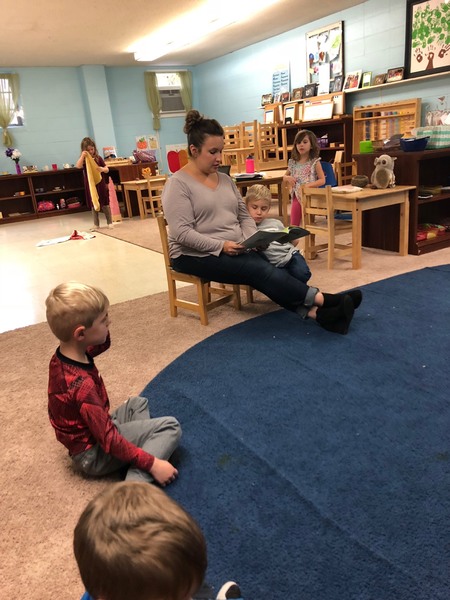
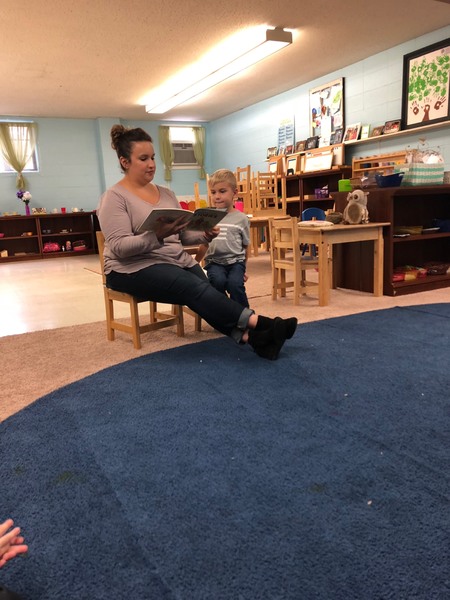
Guest Reader

Reminders

November 16 | Parent / Teacher Conferences | NO SCHOOL for Students

November 20 | Harvest Party | Student’s only

November 30 | Bring Your Parent to Work Time

A peak into next week: Food Groups


A Peek At Our Week | Elementary | Week of October 29

This week our “Peek” was written by two of our students! These students read our previous blogs, took pictures around the room, and filled in a blog template. The students did some editing together, and with a teacher, so what you will read below is their final product. There are still some misspelled words in their final product, but in a Montessori classroom we focus on the process, instead of the end result. Dr. Montessori believed when we put all of the emphasis on the final product, we devalue everything leading up to that point. This can discourage repetition which will make mastery of a skill difficult. The purpose of the students writing the blog is to provide you with a glimpse into the room through their eyes, to provide them with practice of real world skills, and to give them a deeper understanding of the materials in the room. We hope you enjoy their work!

“A Peek at Our Week” by Ainsley (4th grade) and Andre (3rd grade)

This week we had a lot of language lessons. The first graders had a lesson on multiples. The secont graders had a detective triangle game lesson.The thierd graders had adjective suffexes. The forth graders had finding humans. The fith graders had plotting points on a graph.

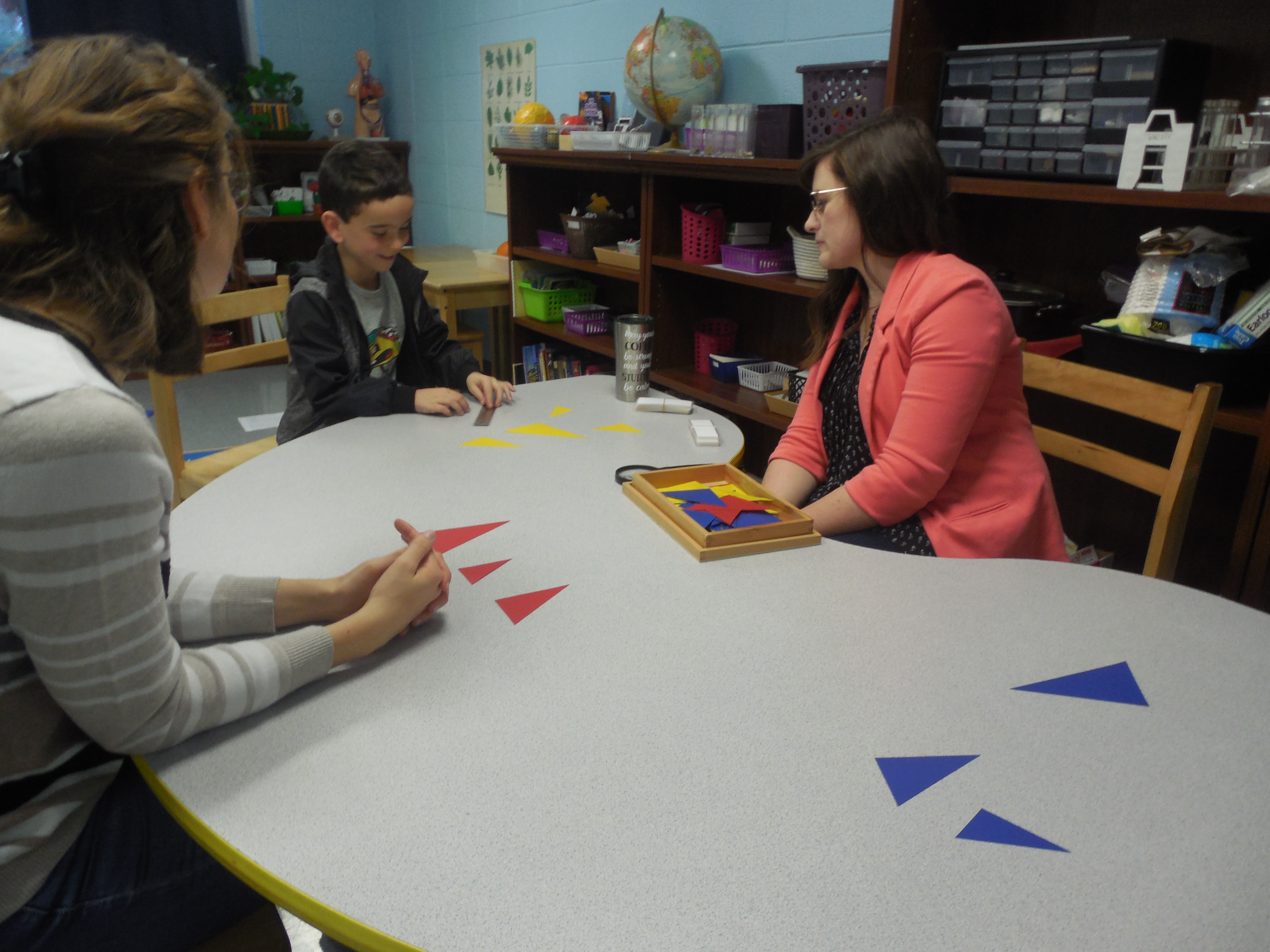
Ms. Ashley is teaching some kids the detective triangle game. It helps students identify triangles by size, sides and angles.
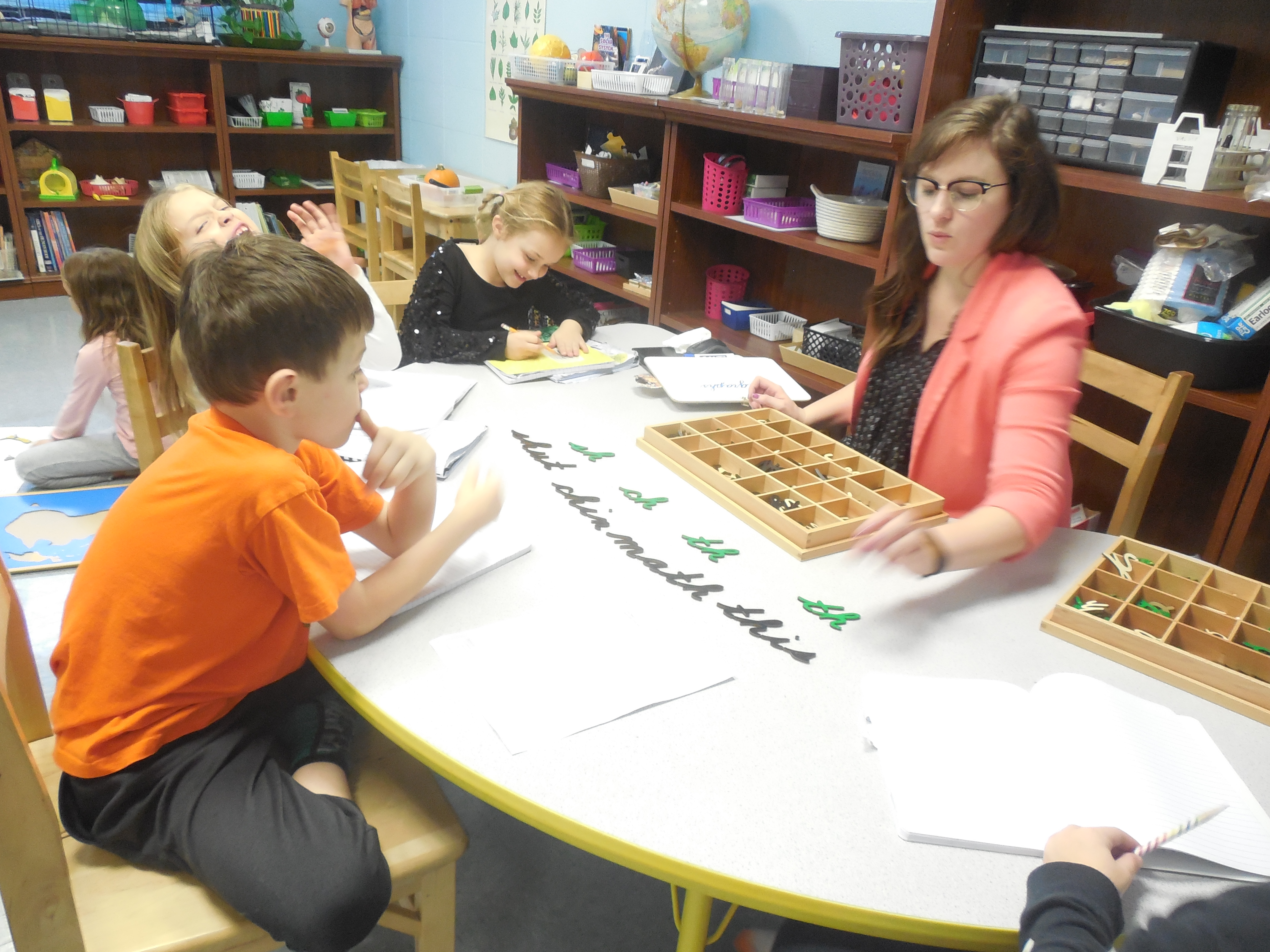
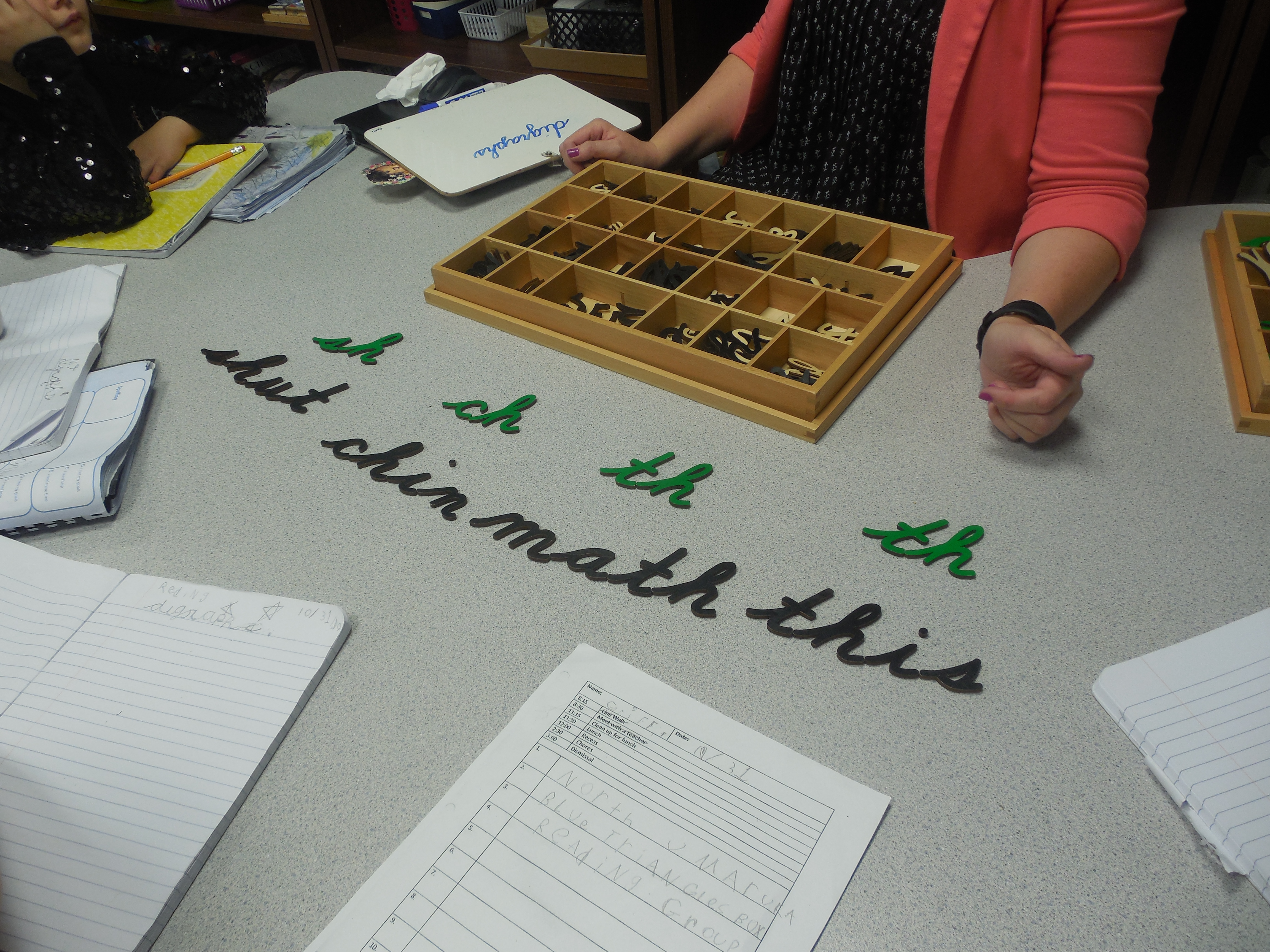
This reading group is learning digraphs. They’re learning what sounds make what. Ex. sh makes /sh/
This therd grader is recording the wether for the day. He is researching 3 different cities from all around the world.
All of the students are working on follow-up work. All of them have been working very hard.

REMINDERS:

11/15 – OCC Packing

11/16 Parent teacher Confrences/No School

11/21-11/23 No School
“A Peek at Next Week” by Ms. Ashley

Next week we will begin practicing for the Christmas Show (yes, already!). Please look for an email in the next two weeks to see what your student will need to wear or practice. Next week first year students will subtract with the Stamp Game, will discuss fall and winter holidays, will begin the study of the fundamental needs of humans, and will learn about different animals. Second year students will have their first Checkerboard lesson, will discuss contractions, will practice using a protractor, and will study South America. Third year students will multiply on the Large Bead Frame, will learn new capitalization rules, will use grids and coordinates in mapping, and will create animal riddles for younger students. Fourth year students will continue working with multiples, will discuss the characteristics of vertebrates, will review the area of plane figures, and will classify different objects. Fifth year students will continue to study factors, will be introduced to archaeology, will classify mammals, and will study density and matter.


Peek In Our Week | Mr. John’s Classroom | Week Of November 5, 2018

Line Time:
Insects, arachnids, and Invertebrates- Creepy Crawly, creepy crawly creepy creep creepy crawly (reminds me of The Who song, Boris The Spider).  When we went over the five animals all of them were vertebrates (having a backbone and spine) but looking at Insects and arachnids they were invertebrates (no back bone or spine).   Most had what we call an exoskeleton which is the skeleton is on the outside.  This gives the creature support and protection.  We learned insects have a head, thorax, and abdomen, six legs, and two antennae.  We sang the characteristics of an insect to the tune of Head, Shoulders, Knees, and Toes. Some insects are ants, bees, and butterflies. Arachnids have a head and abdomen, and eight legs. Some examples of arachnids are spiders, scorpions, ticks and mites.


Cultural Subjects:
Your children can now count to ten in 10 languages (English, Latin, Sign Language, Spanish, German, French, Japanese, Greek, Arabic with the Lebanese Dialect, Italian, Russian, Romanian, and Swedish).


This alumnus came back to read to her old classroom. The alumnus is the girl in the chair. The gentleman sitting on the floor is the grandfather. Hehe


Birthday:
A Montessori Classroom is comprised of multi-aged students.  Here is our newest November 3, 4, 5 year olds.


Peek In Our Classroom:

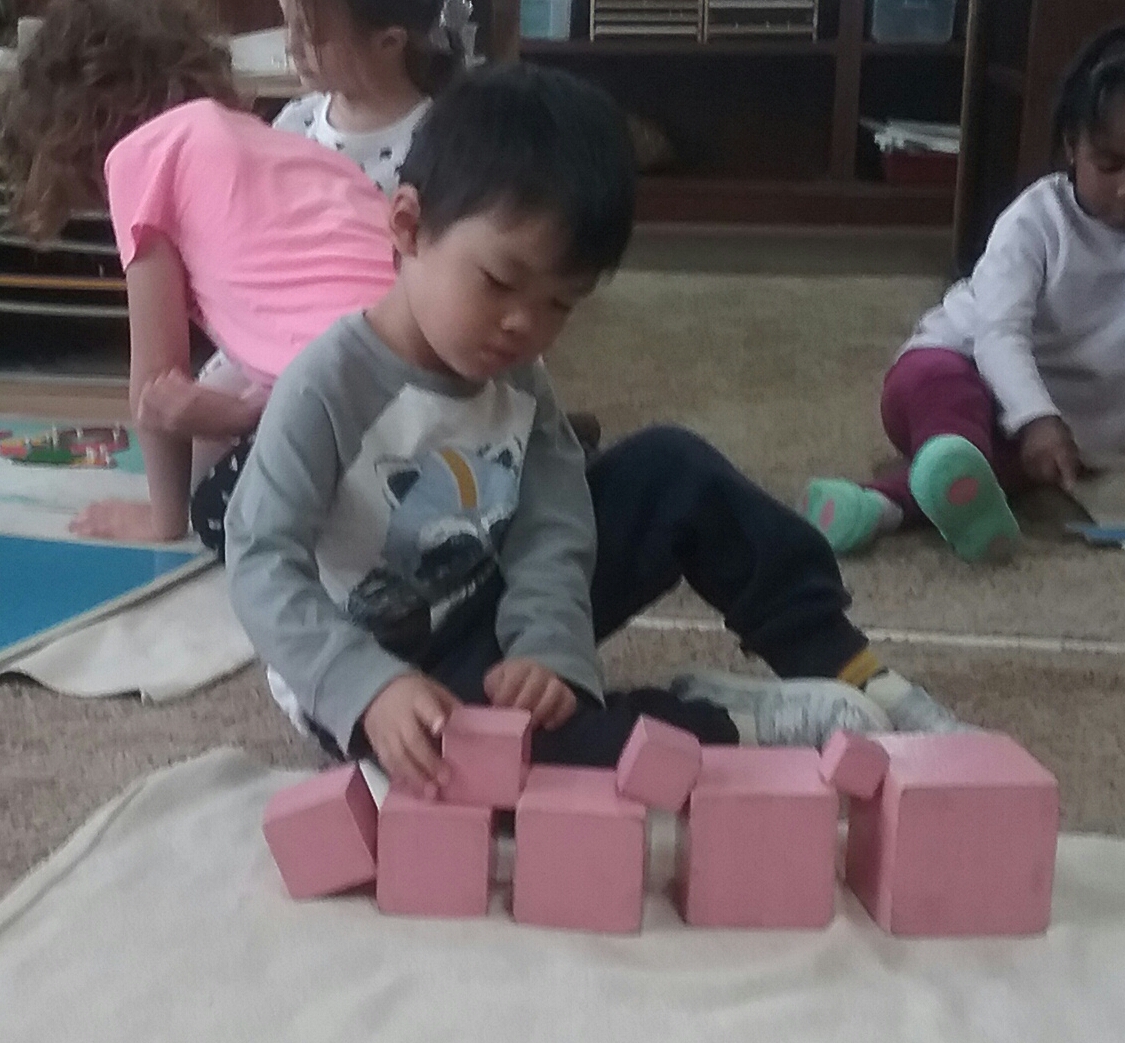
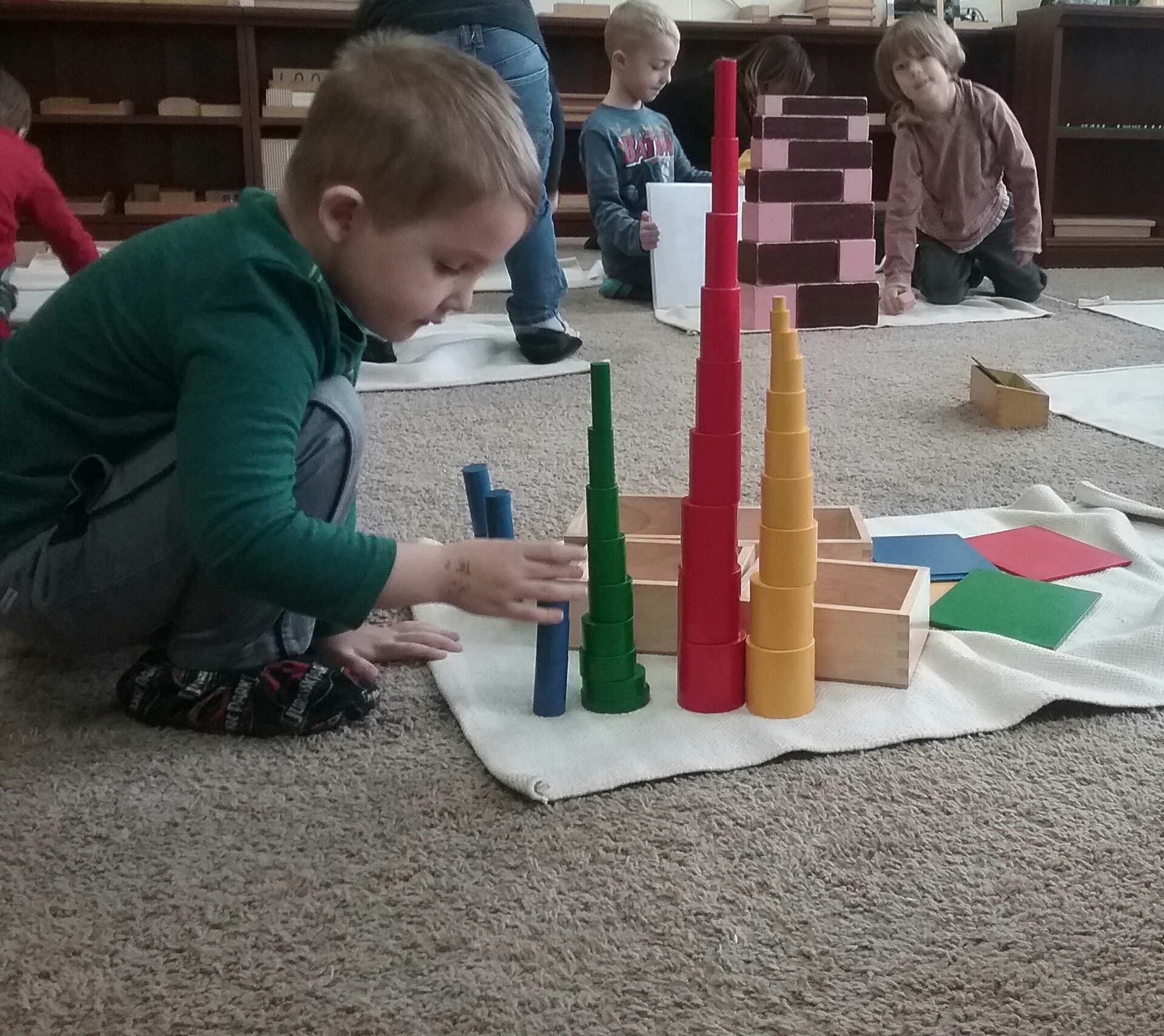
The Pink Tower is arguably the most popular work in the classroom. This boy found different way to stack the blocks. The different ways to do things is called an extension.


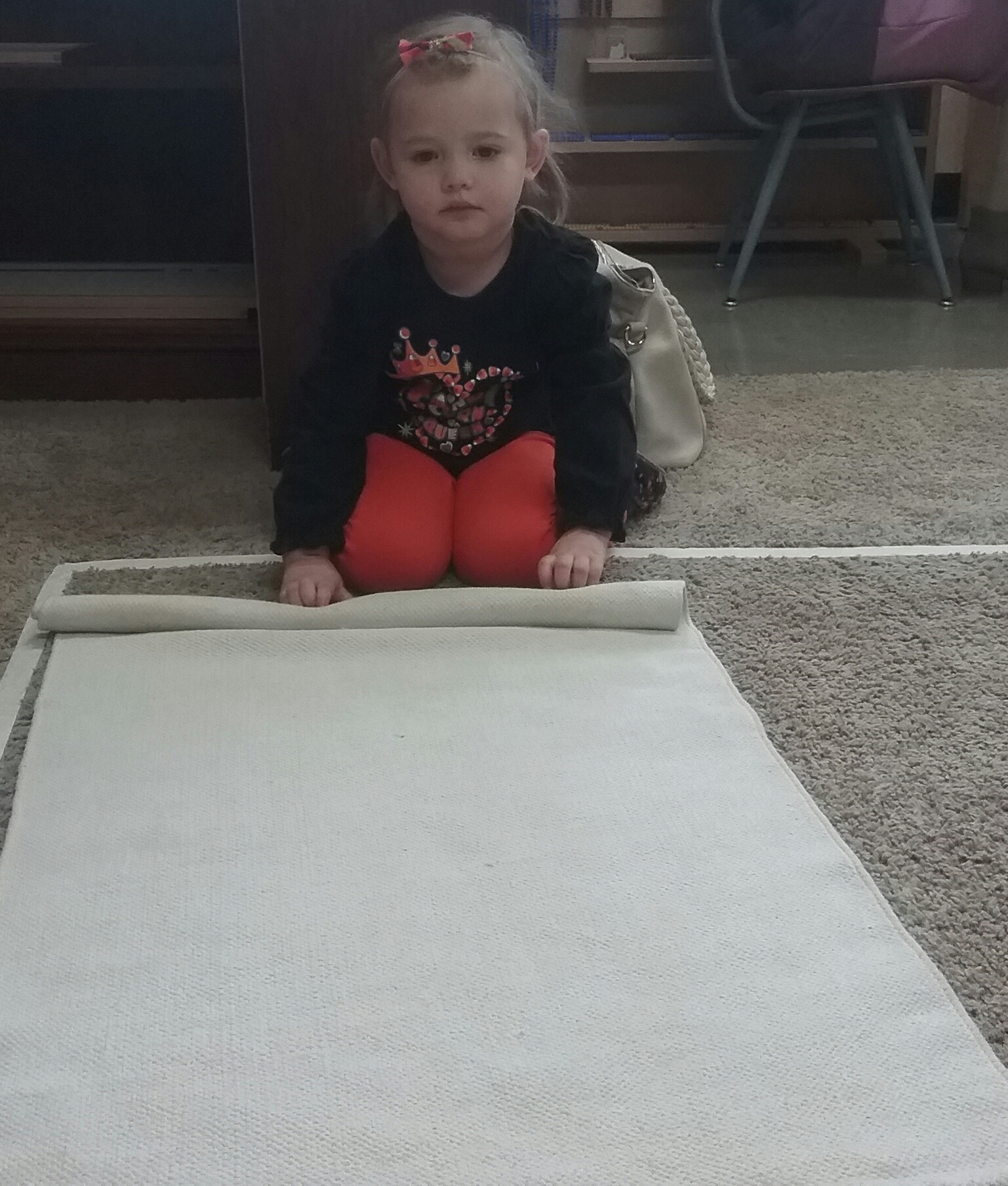
Rolling a mat is one of the first things taught to new students. When students work on the floor the mat is their personal work area.


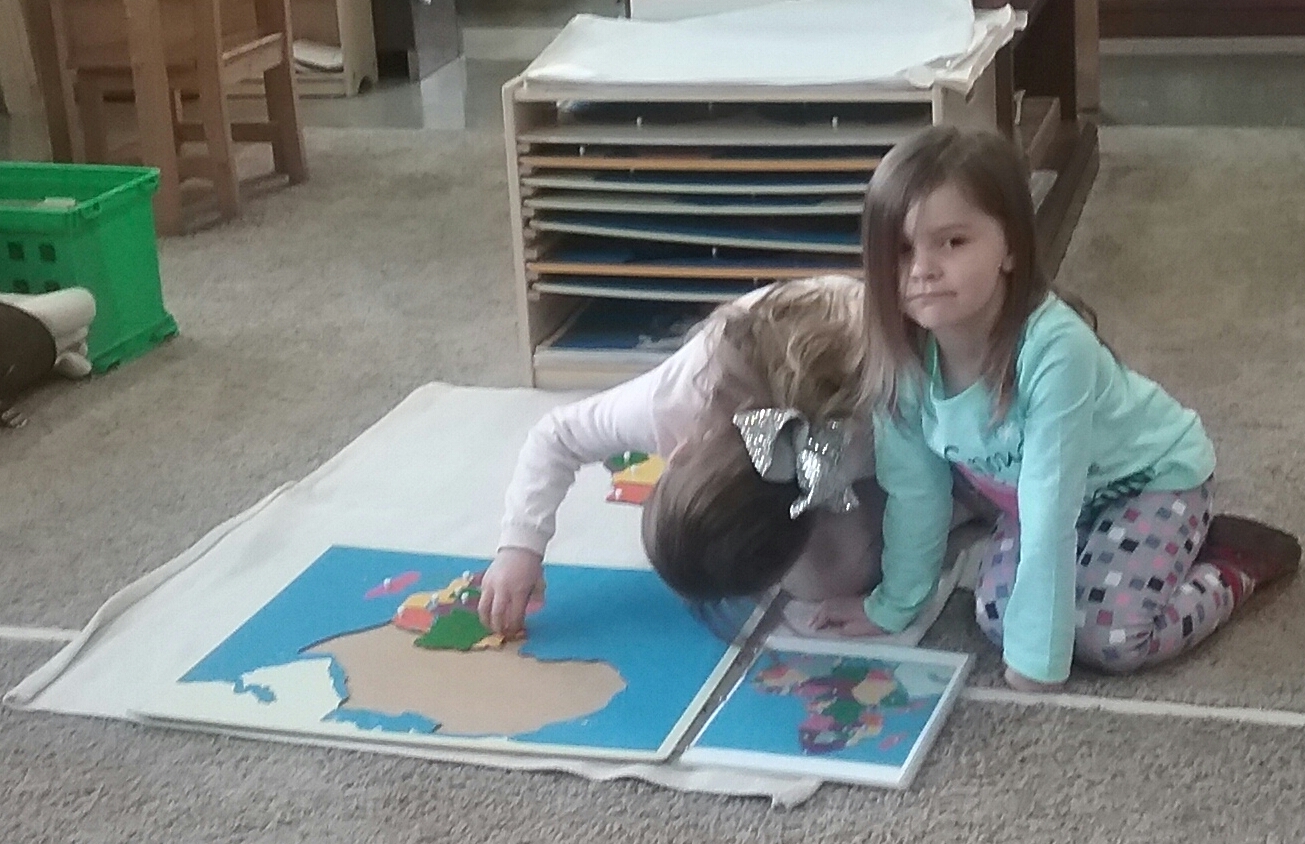
These girls are working on the Africa Puzzle Map. The obvious purpose is to place and identify countries in the continent. Also, the puzzle maps showcase the difference between land and water, and help to develop an appreciation for spatial awareness. The pegged puzzle pieces, which are used in most Montessori classrooms, have a secondary purpose as well. When a child grips the pegs, it’s actually preparing his or her hand to use a pencil. The pegs help to refine a child’s fine motor control, and will make the transition to holding a pencil that much smoother.


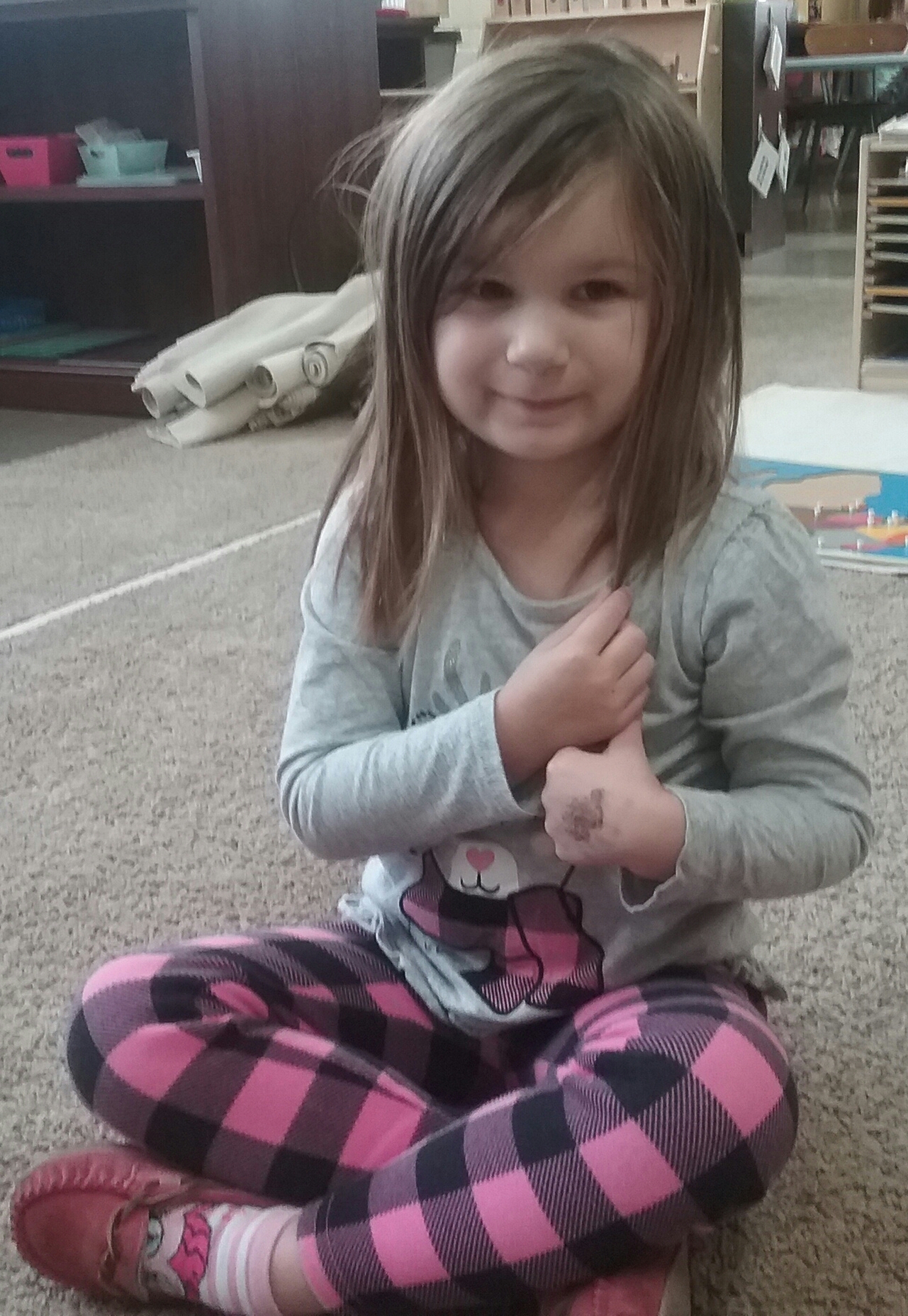
Remember this girl who was part of my blog for the last two weeks? She is still in that Sensitive Period of handwriting. Remember a Sensitive Period is a time frame where the child has a thirst for learning a certain skill in a certain area.


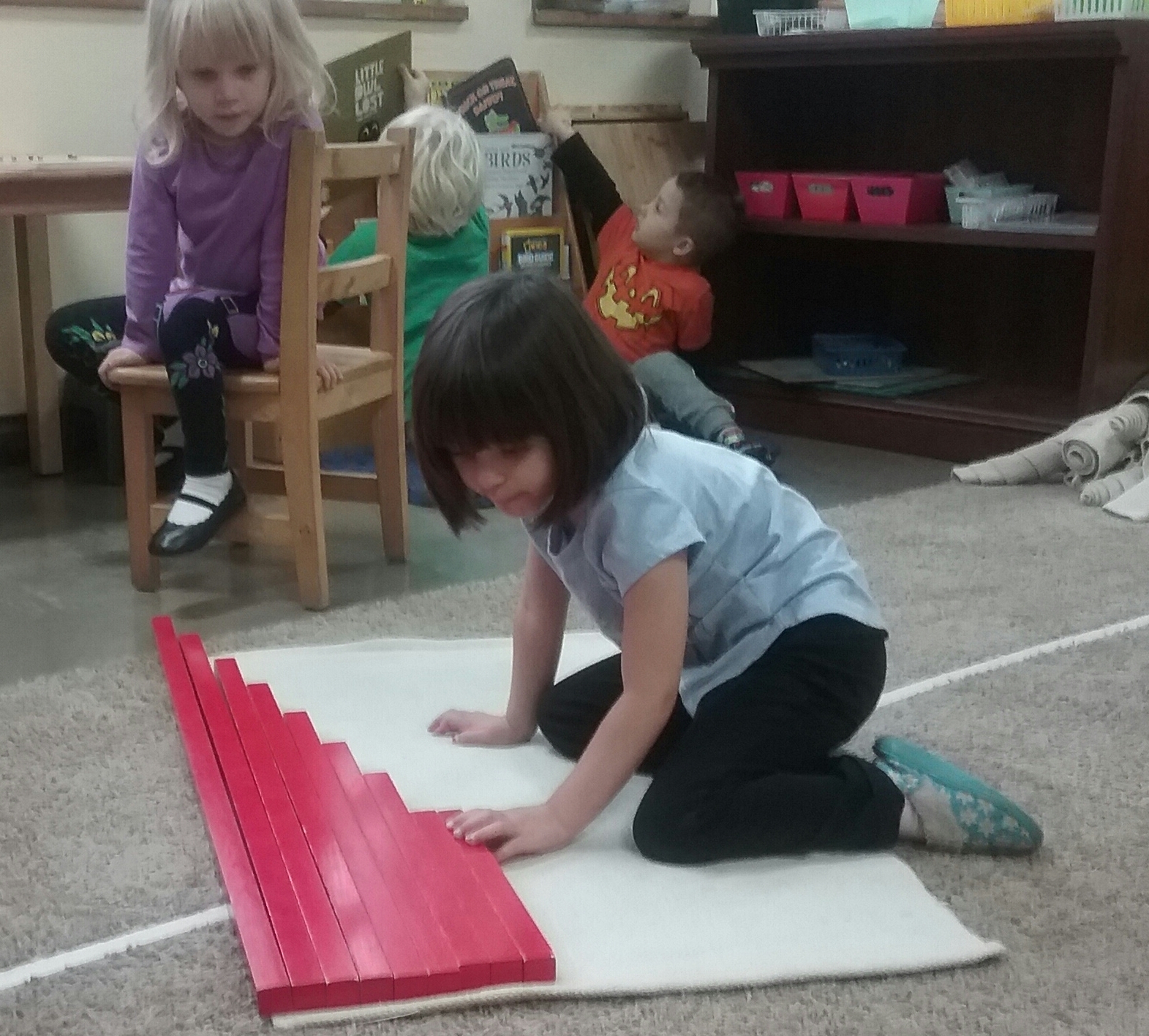
This child is working on the red rods found in the Sensorial Area. The direct aim is visual discrimination of difference in dimensions (length) and muscular memory of length. The indirect aim is preparation for mathematics. This child discovered that each rod is the exact length longer of the shortest rod. She is measuring all of the rods in this pic. ***** Notice how she is creating interest with other children ? ******


Next Week:
Line Time- Dinosaurs

Letter Of The Week- L l

Rhyming Word Of The Week- bot

Next Language will be Tagolog

Snack will be brought to you by August


Upcoming Events:
11/15/2018 Thursday— Operation Christmas Child Packing 

11/16/2018 Friday—  Parent Teacher Conferences   << NO SCHOOL FOR CHILDREN  >>

Follow The Link–

https://www.signupgenius.com/go/4090b48a8a92da6f94-2018

11/20/2018 Tuesday—  Harvest Party

^^^^^  Still time to observe my classroom  ^^^^^

https://www.signupgenius.com/go/4090b48a8a92da6f94-mrjohns5


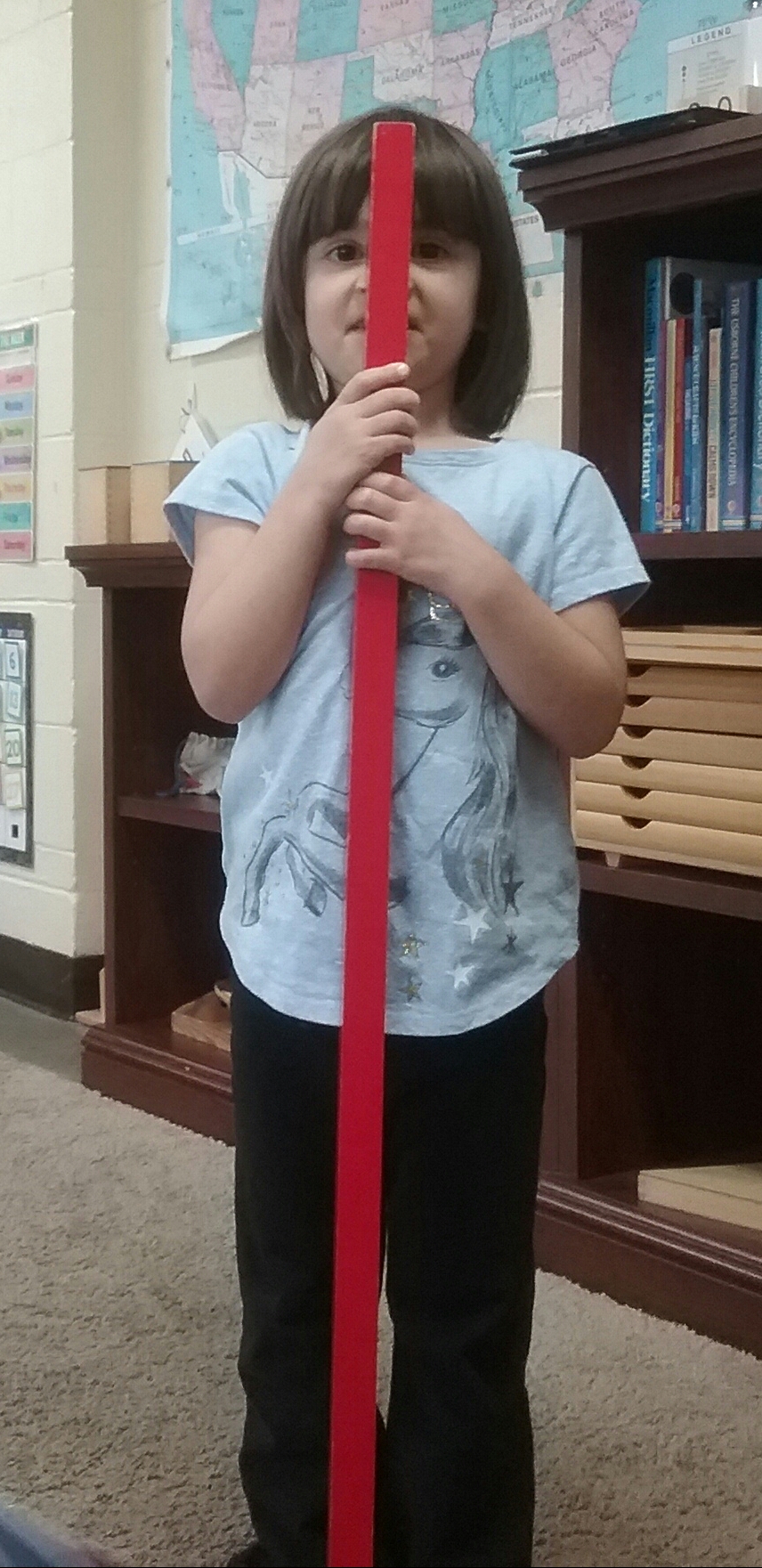
Look! I am as big as the longest Red Rod.


A Peek Into Art Class

With Ms. Kathleen

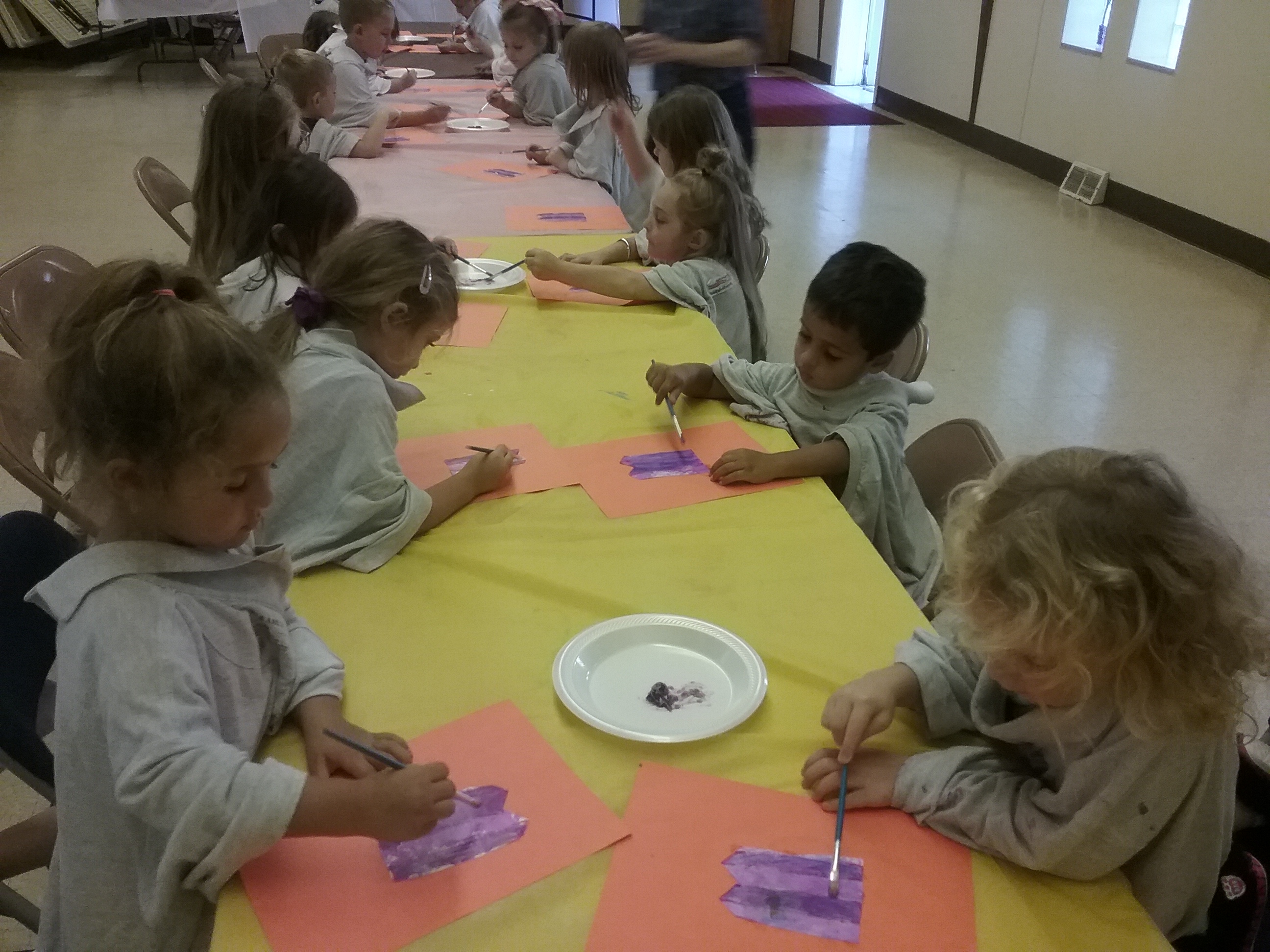
We have been studying Pop Art and the artist Andy Warhol. They learned how to shade objects on one side to create a three-dimensional look. We made a series of the same object in four colors on bright colored backgrounds like the artwork of Andy Warhol. Look for their Pop Art to be hung in the hallways soon!

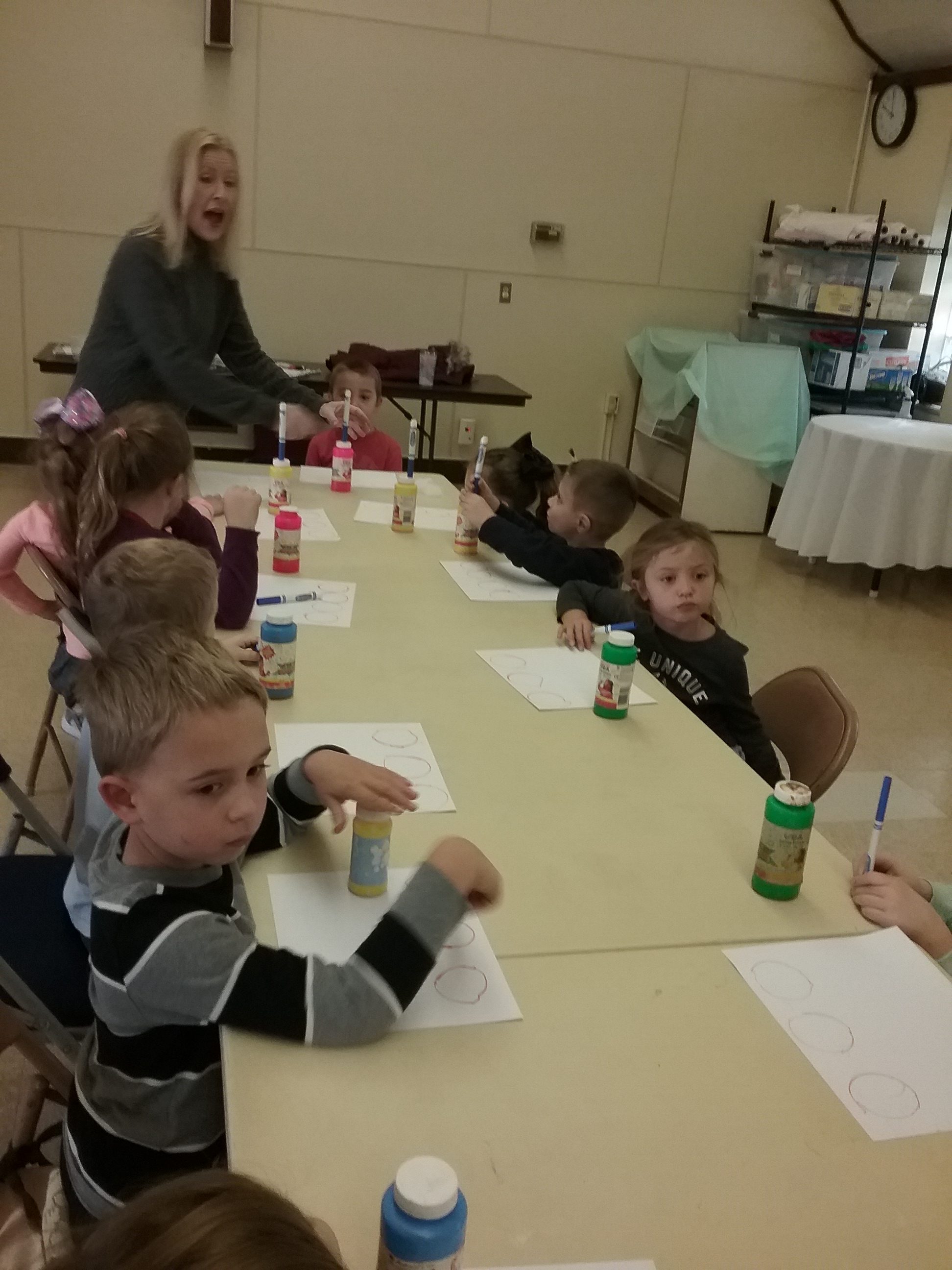
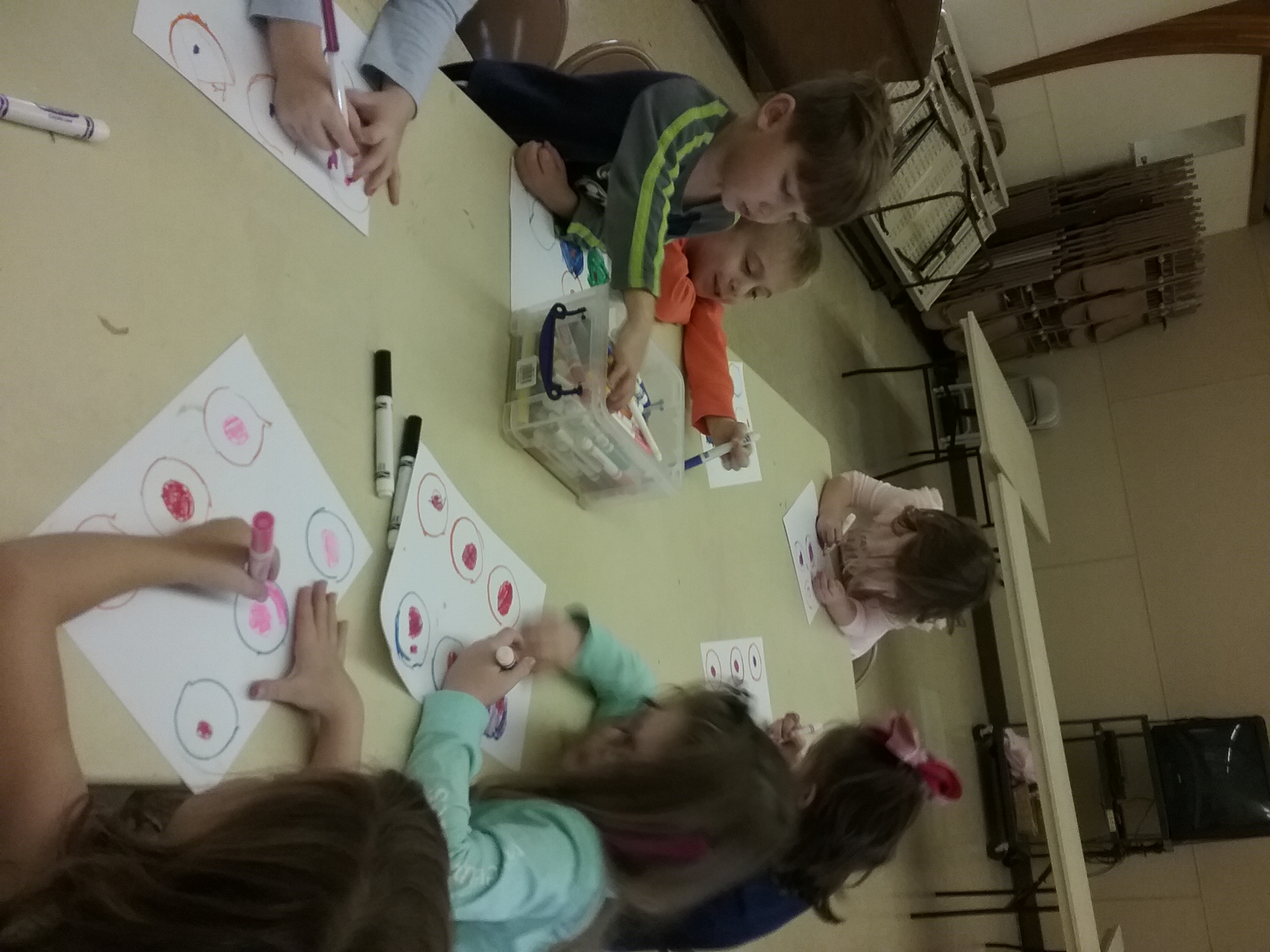
We also studied the artist Wassily Kandinsky and his painting of eccentric circles. I had the students draw several circles in two rows. I then had them draw circles inside the main circles. We then used markers to color each of the circles and inner circles different colors as like Kandinsky did in his painting. The students really enjoyed choosing their own colors and making it unique to them.


Academic Enrichment | Cuyahoga Falls Campus | Week Of 11/05/2018

Lesson:
Telling time to the minute-  Since we conquered telling time to the hour, half past, and quarter past, and quarter to/ :45, we looked at telling time to the minute.  Tick Tock Tick, do do do do (Steve Miller Band Fly Like An Eagle)


Using their “hands” to make time.


Handwriting:
We practiced our cursive letters upper and lower case  at, al, as, ic, ir blends. 


Cultural Subjects:
Your children can now count to ten in 10 languages (English, Latin, Sign Language, Spanish, German, French, Japanese, Greek, Arabic with the Lebanese Dialect, Italian, Russian, Romanian, Swedish, Tagolog, and Hebrew).


Next Week:

Lesson- currency/coins

Sight Words Of The Week- said by

Synonym Of The Week- big

The next language will be- Korean