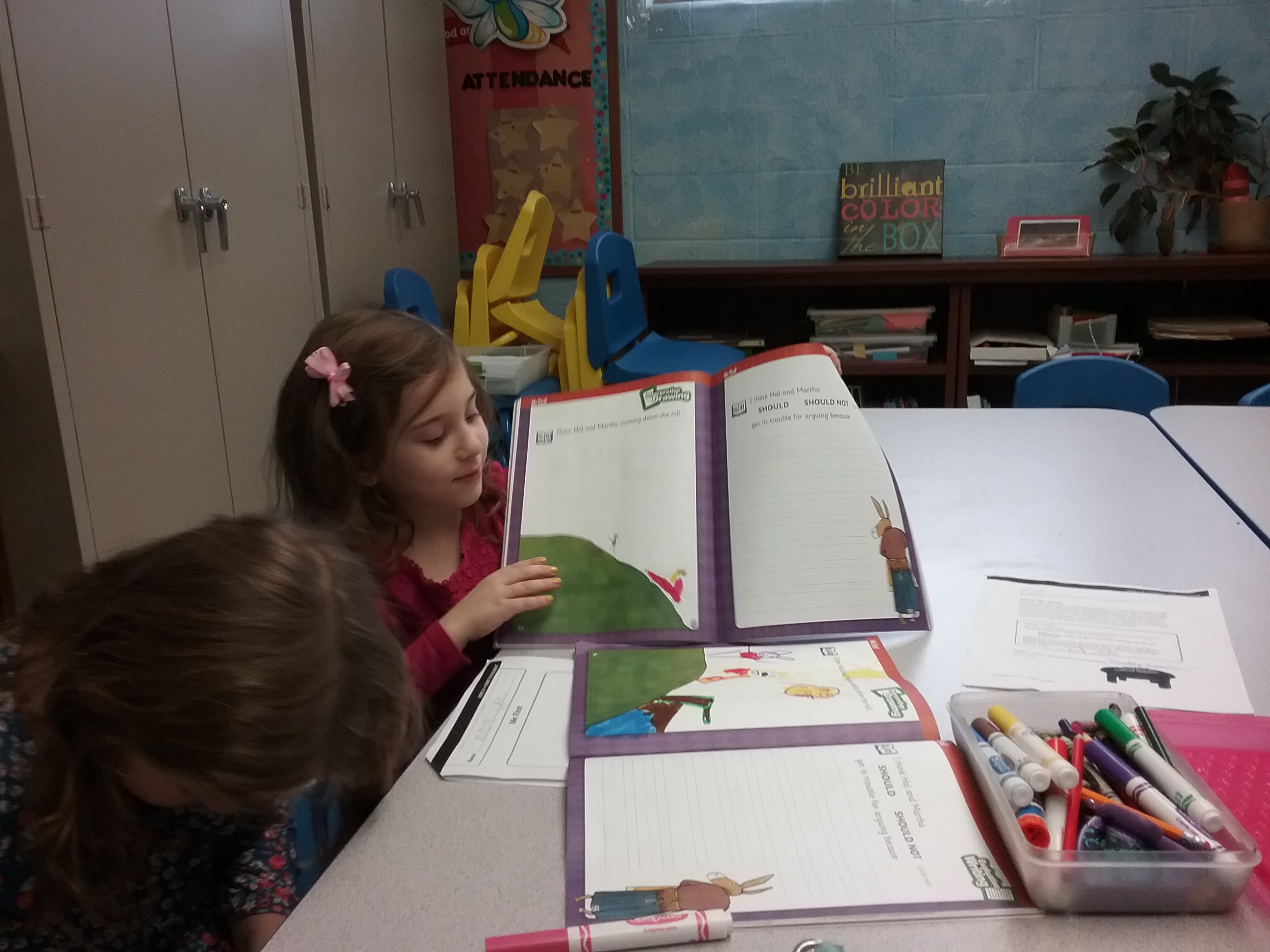
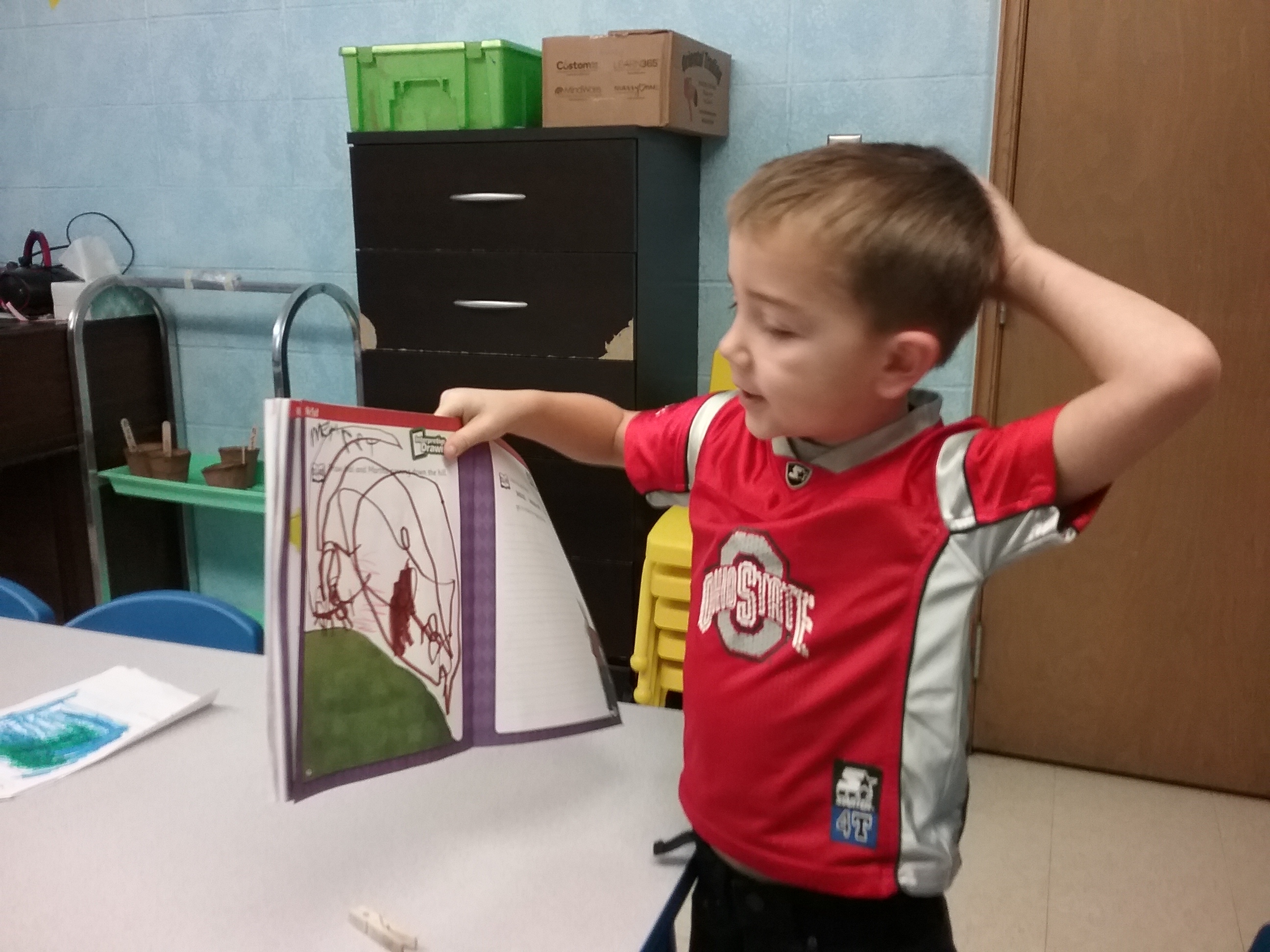
Our last story we read was called Me First. It was about a brother and sister who argue and have to be first for everything. Towards the end of the story, they end up helping eachother and allowing the other to go first.
The group discussed how they choose who goes first when they are playing a game. They wrote if they think the siblings should get on trouble for arguing, and they said no because they started being nice to eachother, and no because that means they would be in time out.
A Peek Into the Next Two Week
– The students will be reading a story called The Fire Cat.
– The students will participate in discussions and writing activities.
– The students will learn the vocabulary words: Mixed up, suddenly, wonderful.
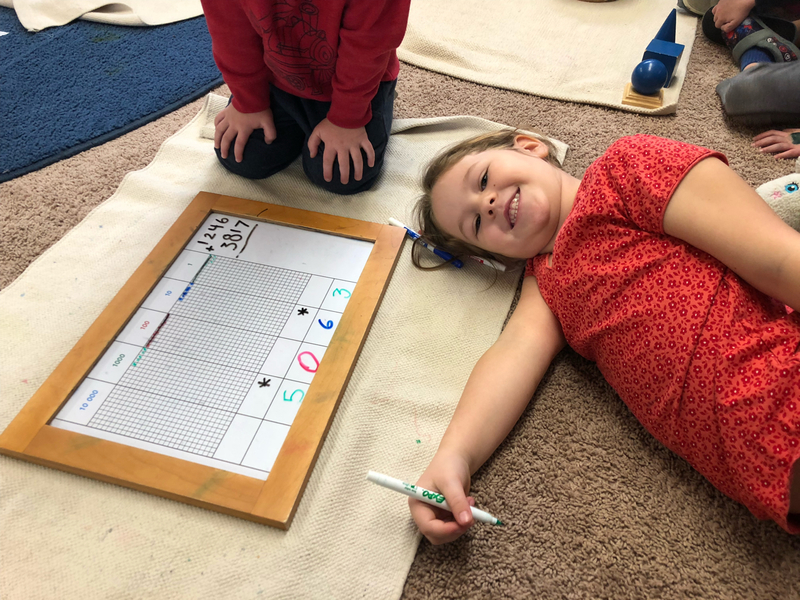
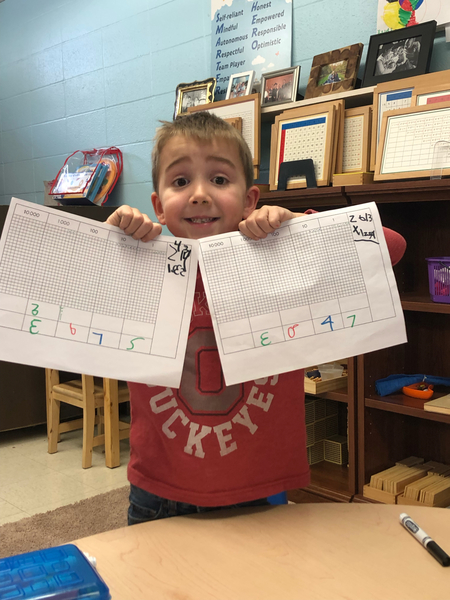
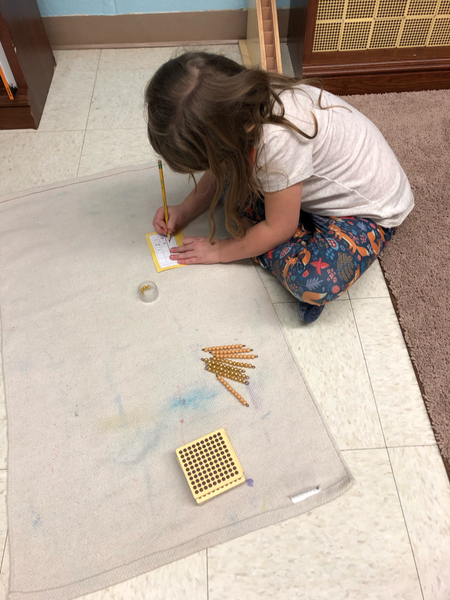
The kindergarten students have been working hard on learning dynamic addition and dynamic multiplication using the golden beads and the stamp game. This past week they were introduced to another work called the dot board to solve both static and dynamic addition problems.
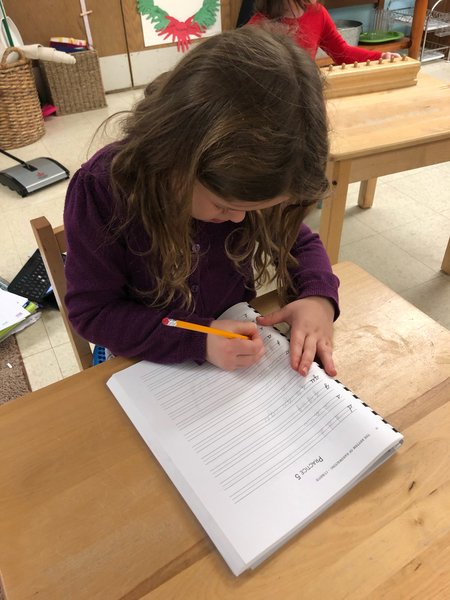
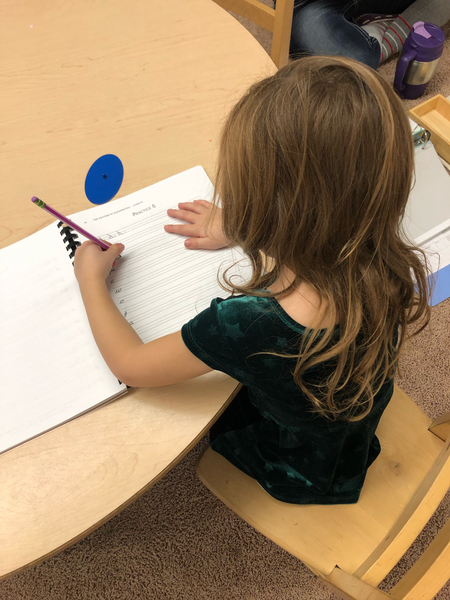
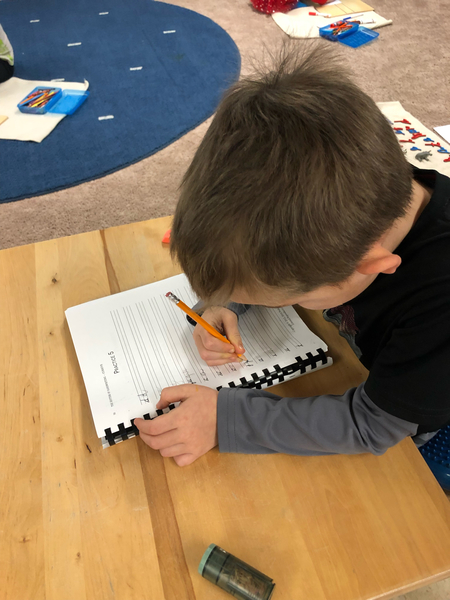
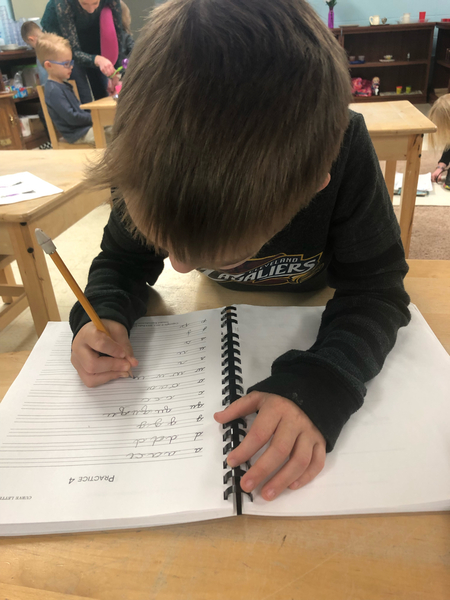
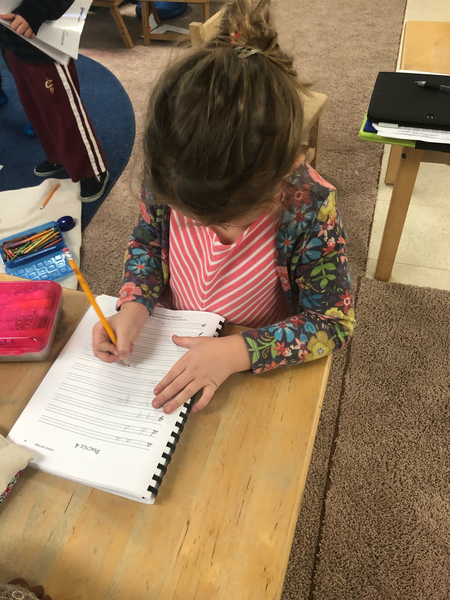
Cursive Handwriting: The students practiced writing the lowercase cursive letters a, d, g, qu, c and o. To make a lowercase c they learned to curve around to just below the midline and roll back around to just above the baseline. To make a lowercase o they learned to curve around to just below the midline, roll back around past the baseline and up to the midline and dip connector at the midline. To make a lowercase g they learned to curve up to the midline, roll back around to the baseline, swing up to the midline and drop down half way past the baseline and swoop. To make a lowercase qu they learned to curve up to the midline, roll back around to the baseline, swing up to the midline and drop down half way past the baseline and hook up to the baseline then swing up to the midline and down to the baseline, swing up to the midline, and down to the baseline. To make a lowercase a they learned to curve up to the midline, rollback around to the baseline, swing up to the midline and down to the baseline. To make a lowercase d they learned to curve up to the midline, roll back around to the baseline, swing tall to the top line and slide down to the baseline.
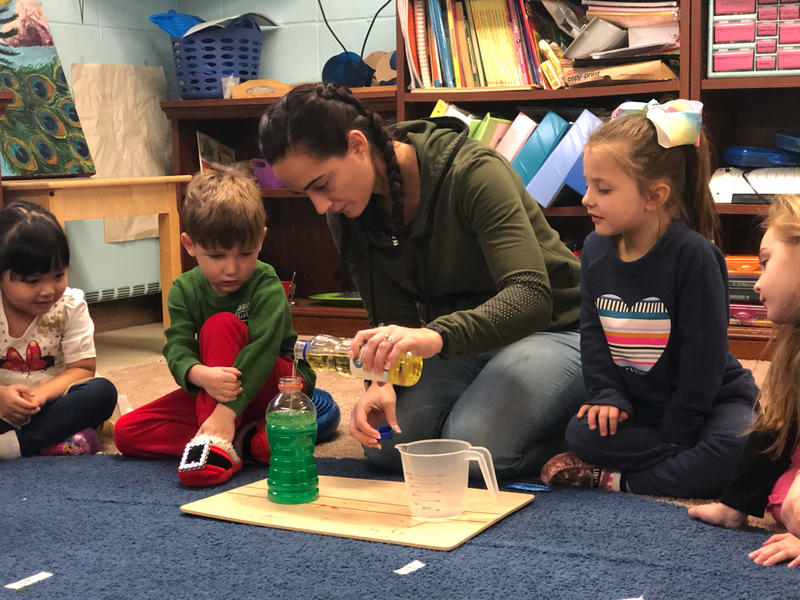
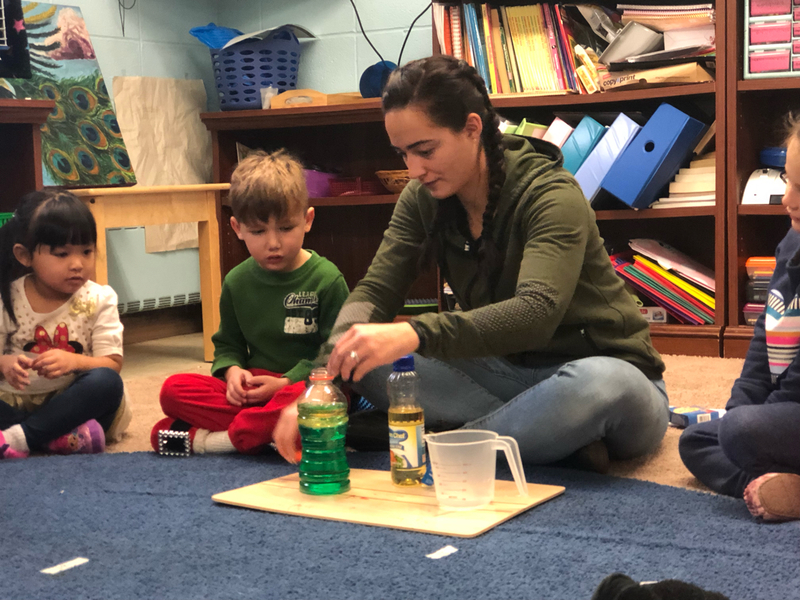
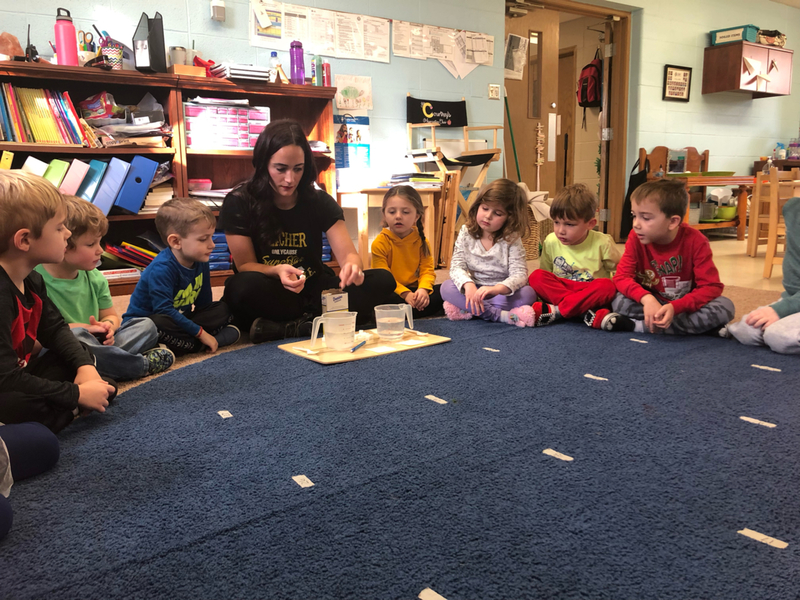
Lava Lamp: The students observed that when you mix oil and water together they separate from each other. The oil ended up on top because it has a lower density than the water. We then added food coloring and watched it fall through the oil and mix with the water at the bottom. We then added tiny pieces of Alka-Seltzer which created small bubbles of carbon dioxide gas that would rise to the top. The gas would then escape when it reached the top and the colored water would fall back down. The students learned the reason the Alka-Seltzer fizzed in such a way is because it contains citric acid and baking soda and the two react with water to form sodium citrate and carbon dioxide gas.
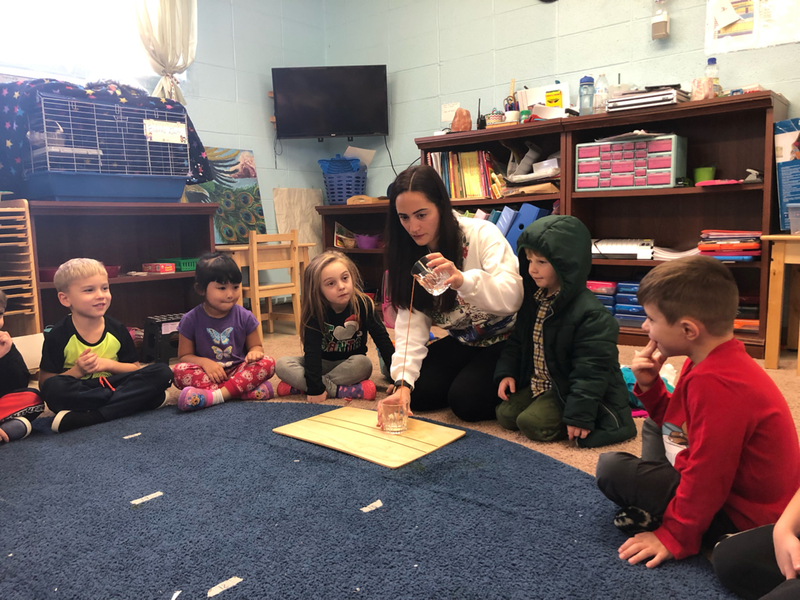
Traveling Water: The students learned that water has a lot of molecules that are held together by electrical molecular bonds. So we took a glass of water with a piece of string and and dumped the water along the string and into the empty glass. Because water has such strong hydrogen bonds it allowed the water molecules to stick together and travel down the string and into the empty cup.
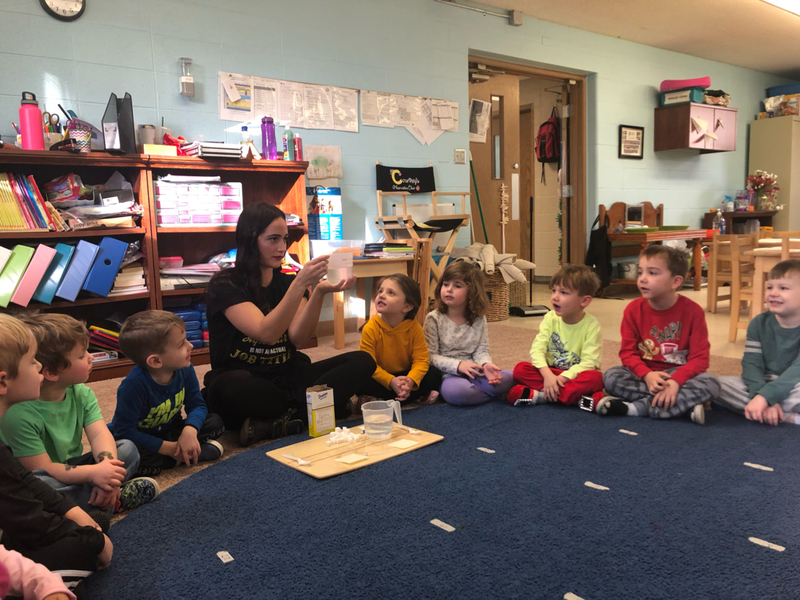
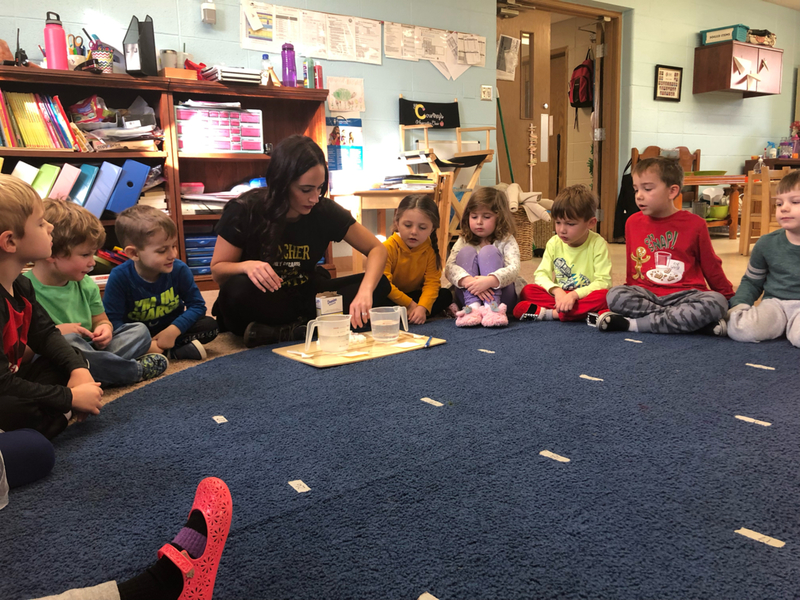
Dissolving Sugar: We dissolved sugar in both cold and hot water. The students were able to observe that the cold water wasn’t able to dissolve as much sugar as the hot water. The reason the hot water dissolved more sugar is because it has faster moving molecules which are spread further apart than the molecules in the cold water. So with bigger gaps between the molecules in the hot water, more sugar molecules can fit in between.
Dynamic Multiplication: The students are doing dynamic multiplication using the golden beads. Dynamic multiplication simply means repeated addition where they need to carry over an amount. The process is similar to static multiplication except if the child has a group of ten he/she will need to exchange. Exchanging takes place when the child is combining the beads.
Cursive Handwriting: The students practiced writing the lowercase cursive letters a, d, g, qu, c and o. To make a lowercase c they learned to curve around to just below the midline and roll back around to just above the baseline. To make a lowercase o they learned to curve around to just below the midline, roll back around past the baseline and up to the midline and dip connector at the midline. To make a lowercase g they learned to curve up to the midline, roll back around to the baseline, swing up to the midline and drop down half way past the baseline and swoop. To make a lowercase qu they learned to curve up to the midline, roll back around to the baseline, swing up to the midline and drop down half way past the baseline and hook up to the baseline then swing up to the midline and down to the baseline, swing up to the midline, and down to the baseline. To make a lowercase a they learned to curve up to the midline, rollback around to the baseline, swing up to the midline and down to the baseline. To make a lowercase d they learned to curve up to the midline, roll back around to the baseline, swingtall to the top line and slide down to the baseline.
Over the past week the children started practicing for their Christmas Show multiple times a day. This will be their main focus for the next few weeks.
Work Time:
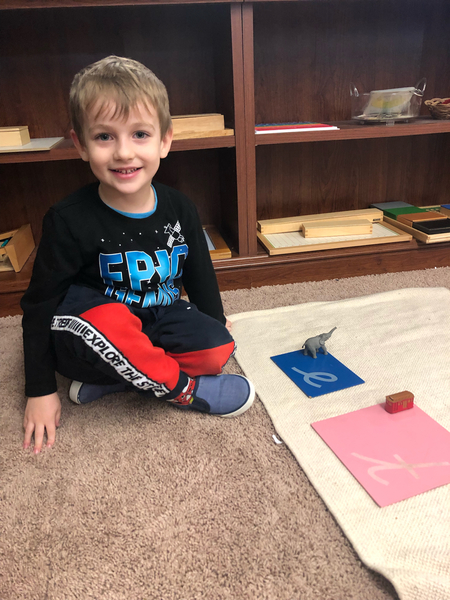
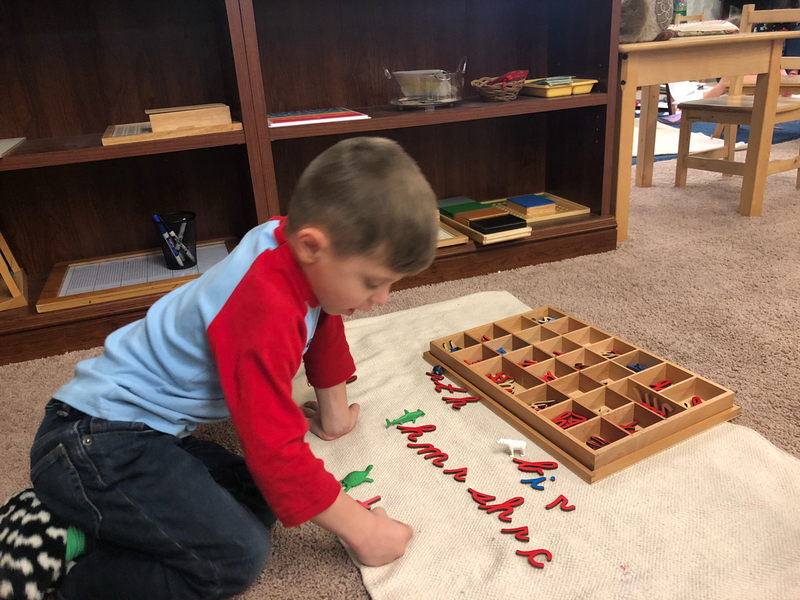
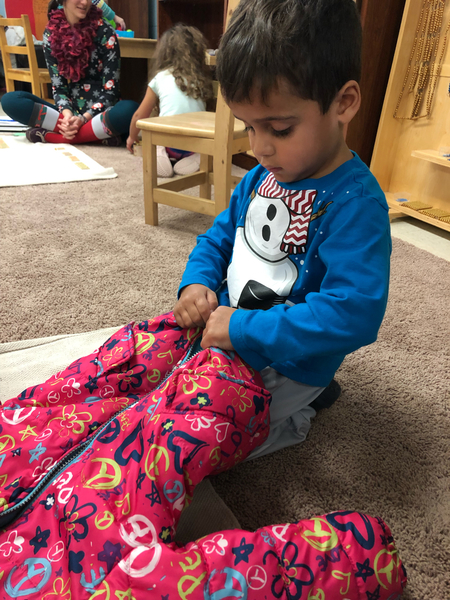
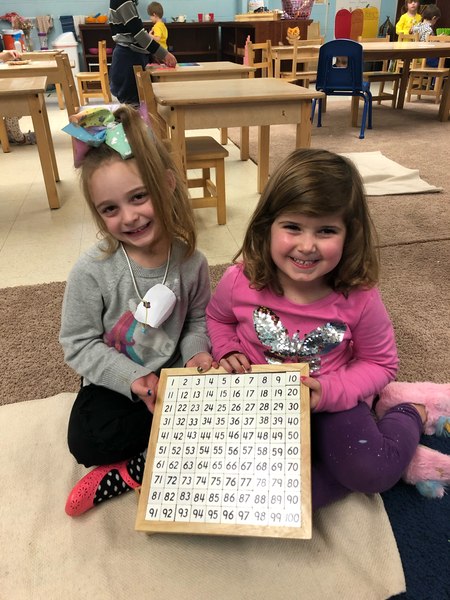
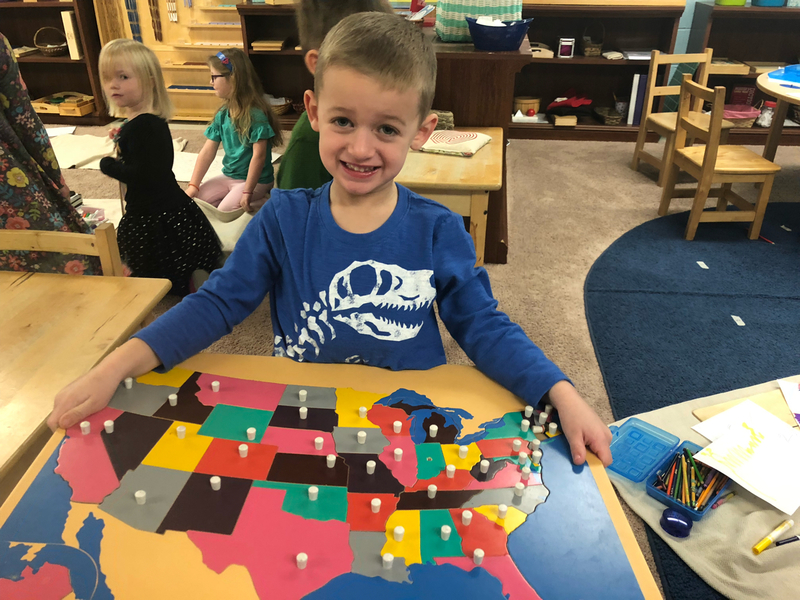
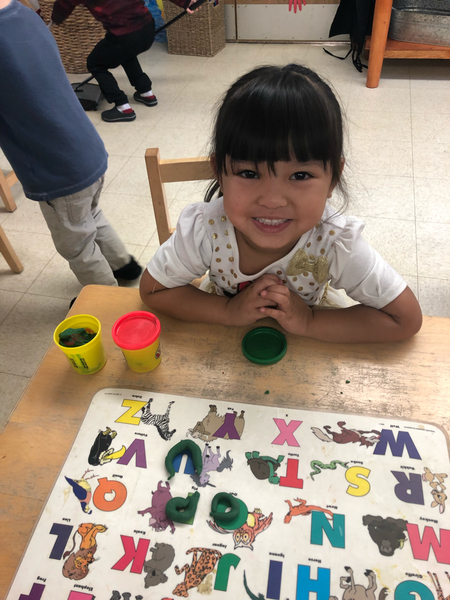
Sandpaper Letters: This child is tracing and identifying the sounds of the letters ‘e’ and ‘t’ and connecting the sounds with the initial sounds of different objects like elephant and train.Movable Alphabet: This child is saying the words of different objects and phonetically spelling them: rth for earth, bir for bear, hmr shrc for hammer shark and trdl for turtle.Zipping: This child is developing his independence and concentration while also gaining finger control and dexterity to manipulate a zipper.Tying: This child is learning how to care for himself while developing a sense of independence and refining his fine motor skills and coordination of movements to successfully tie the shoes.100 Board: These children are memorizing where the tiles should go and be placed on the 100 chart, while also learning to identify names of the numbers 1 through 100 and how to write each number.United States Map: This child is learning the names of the states and where they are located on a map.Play-dough Letters: This child is developing her fine motor skills while also learning how to form the letters of the alphabet.
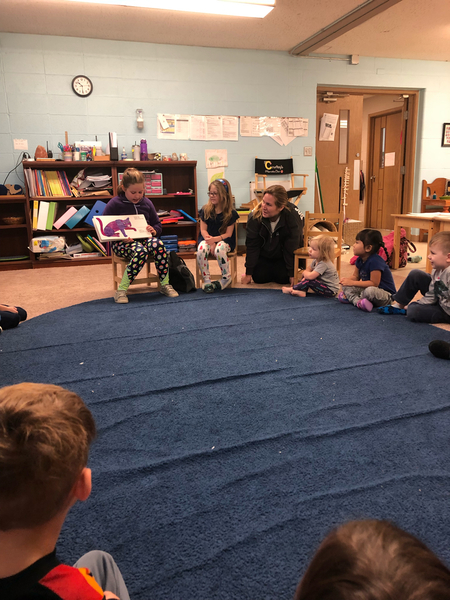
Guest Reader
Reminders:
Christmas Show Rehearsal | December 12 @ 6:00 pm – 8:00 pm (Cuyahoga Falls High School Auditorium, 2300 4th St.)
Christmas Show | No Afterschool care available (student pickup by 3:15pm) | December 14 @ 6:00 pm – 8:00 pm (Cuyahoga Falls High School Auditorium, 2300 4th St.)
Pajama & Show-N-Tell Day | December 21
Young children who spend after hours daycare suffer from stress which could make them shyer in later life. A study has found the stress levels of toddlers in creches are around a third higher than those who stay at home. While children at home with a parent become more relaxed over the course of the day, those in childcare grow more anxious. Children who spend more than eight hours in childcare are the most stressed, based on saliva samples taken by researchers and tested for the stress hormone cortisol. A study suggests this is because they miss their parents and have upsetting conflicts with other children.
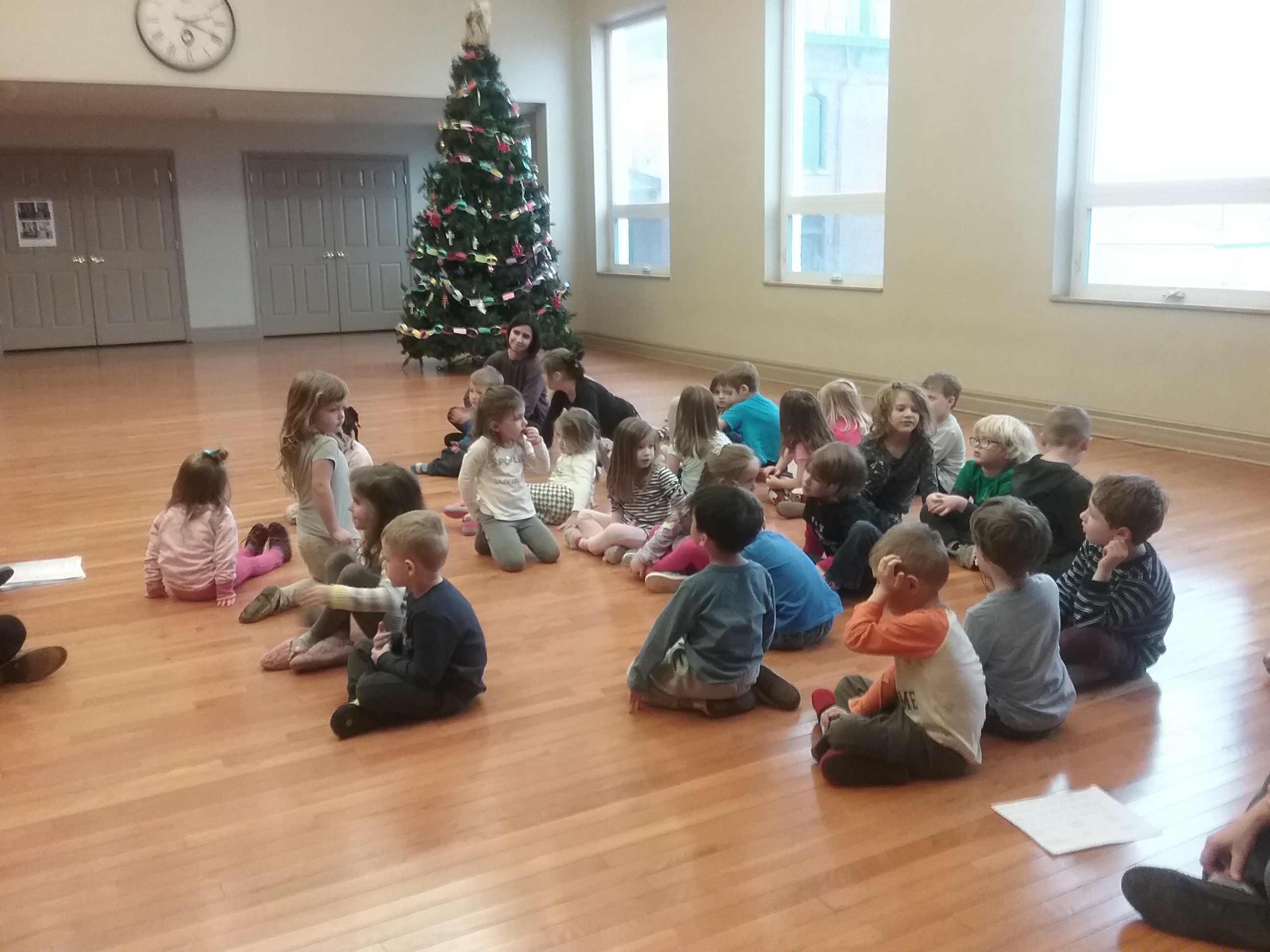
Line Time: We will be practicing for the Christmas Program.
Cultural Subjects: Your children can now count to ten in 13 languages (English, Latin, Sign Language, Spanish, German, French, Japanese, Greek, Arabic with the Lebanese Dialect, Italian, Russian, Romanian, Swedish, and Tagolog).
Peek In Our Classroom:
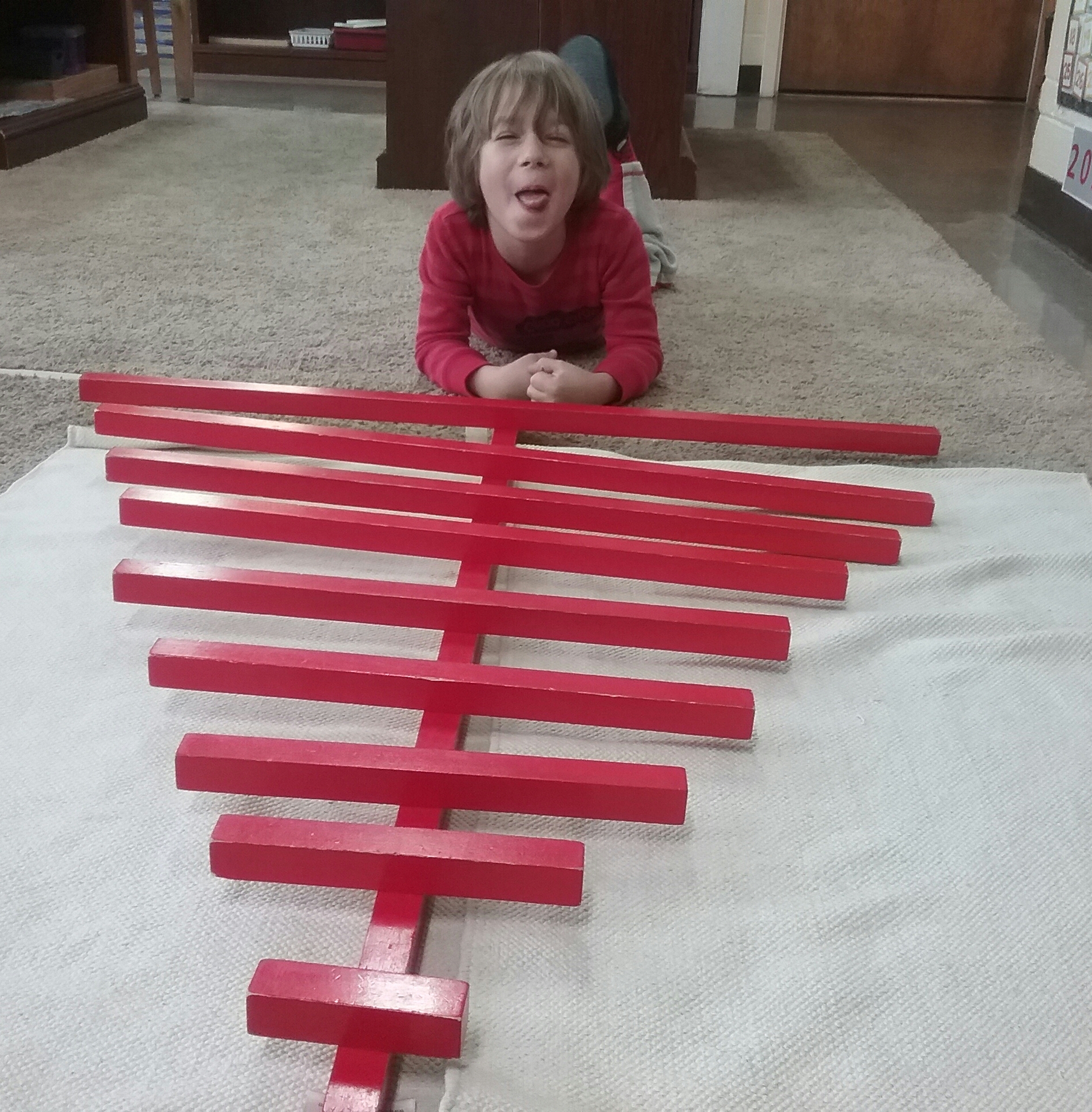
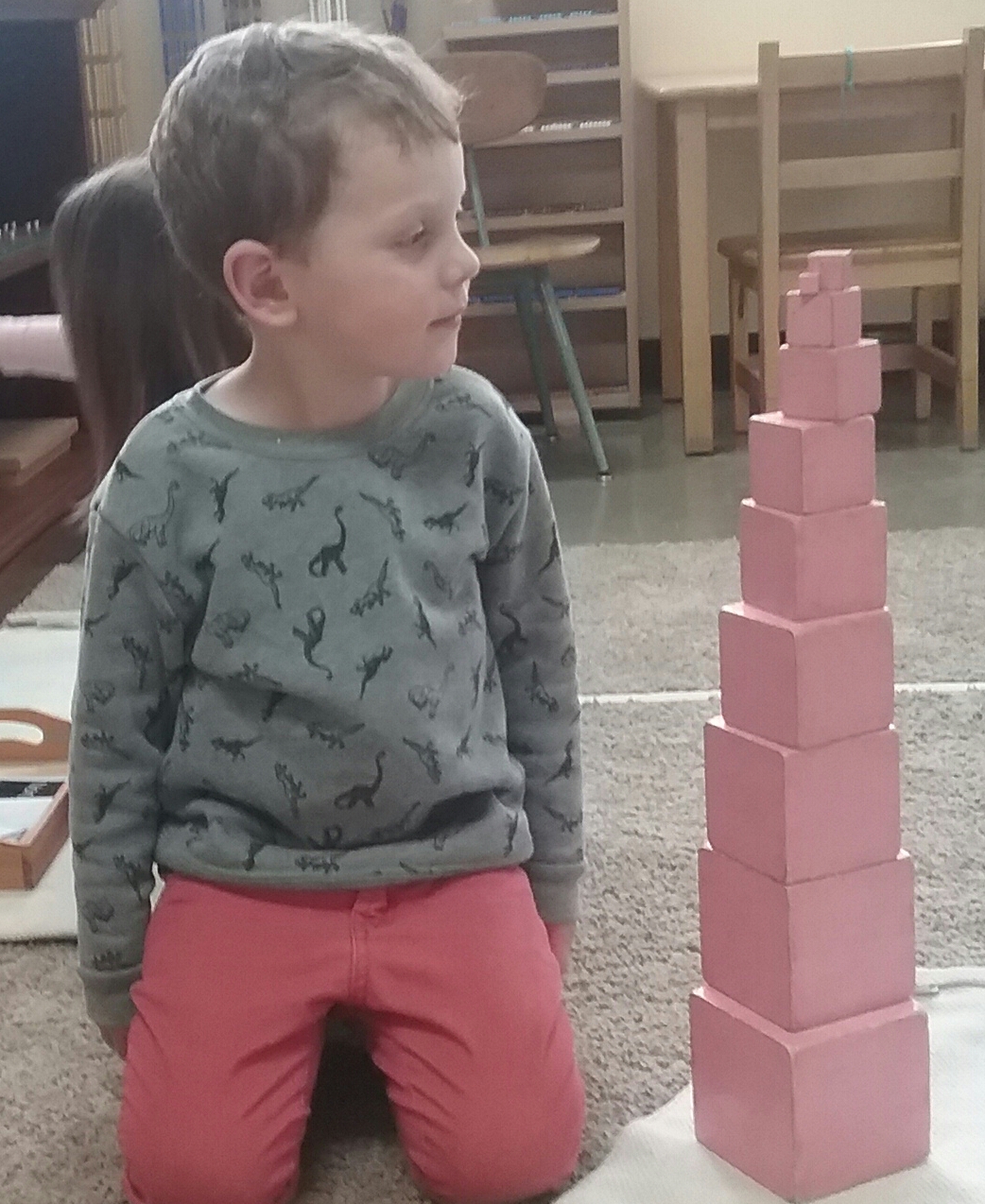
Same boy, different material/ extension. This boy is in a Sensitive Period where he loves working in the Sensorial Area particularly making creations (extensions). Montessori sensitive periods refer to a period of time when a child’s interests are focused on developing a particular skill or knowledge area. During what Maria Montessori describes as the child’s absorbent mind, birth to age 6, is when most sensitive periods occur.
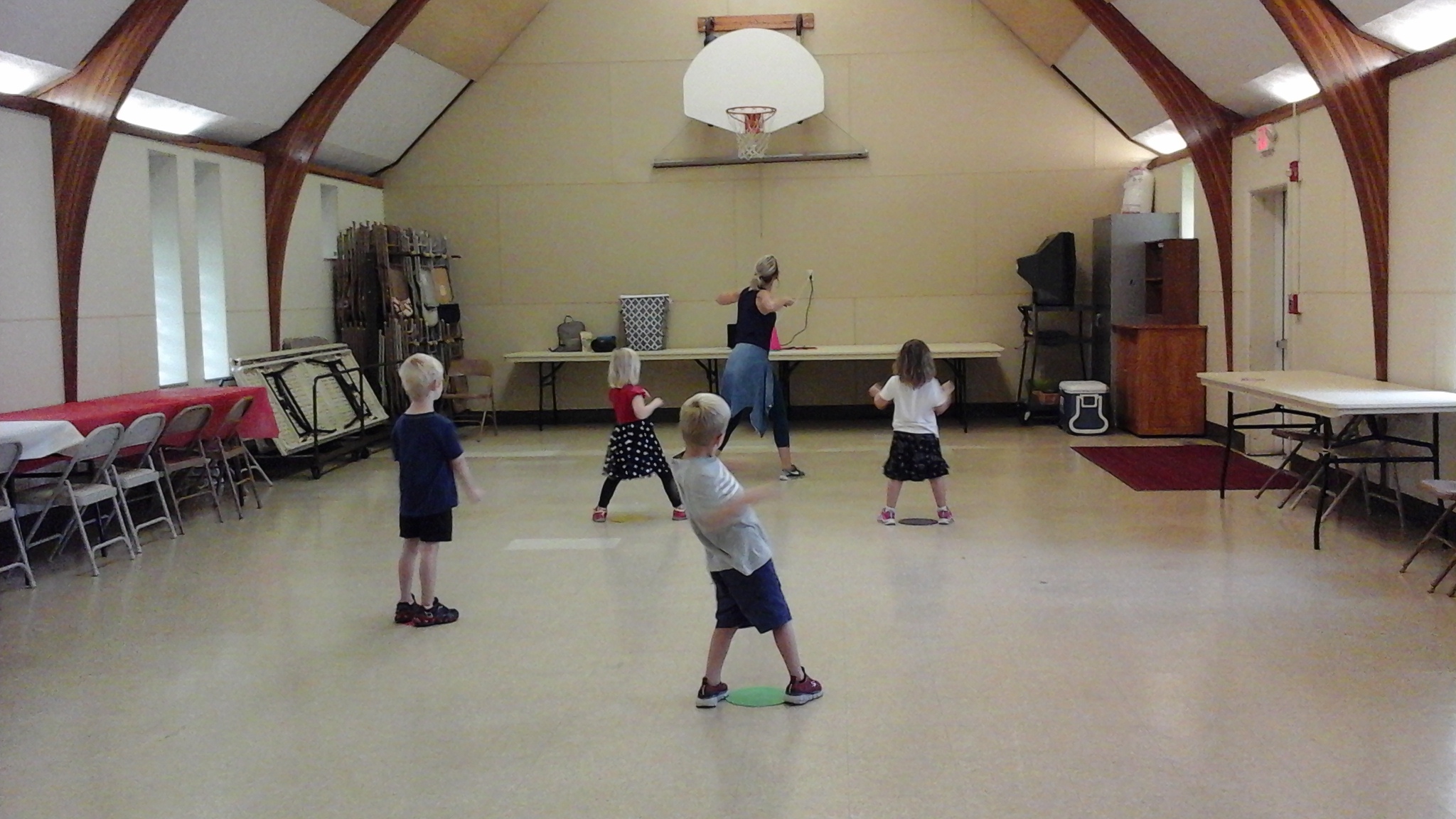
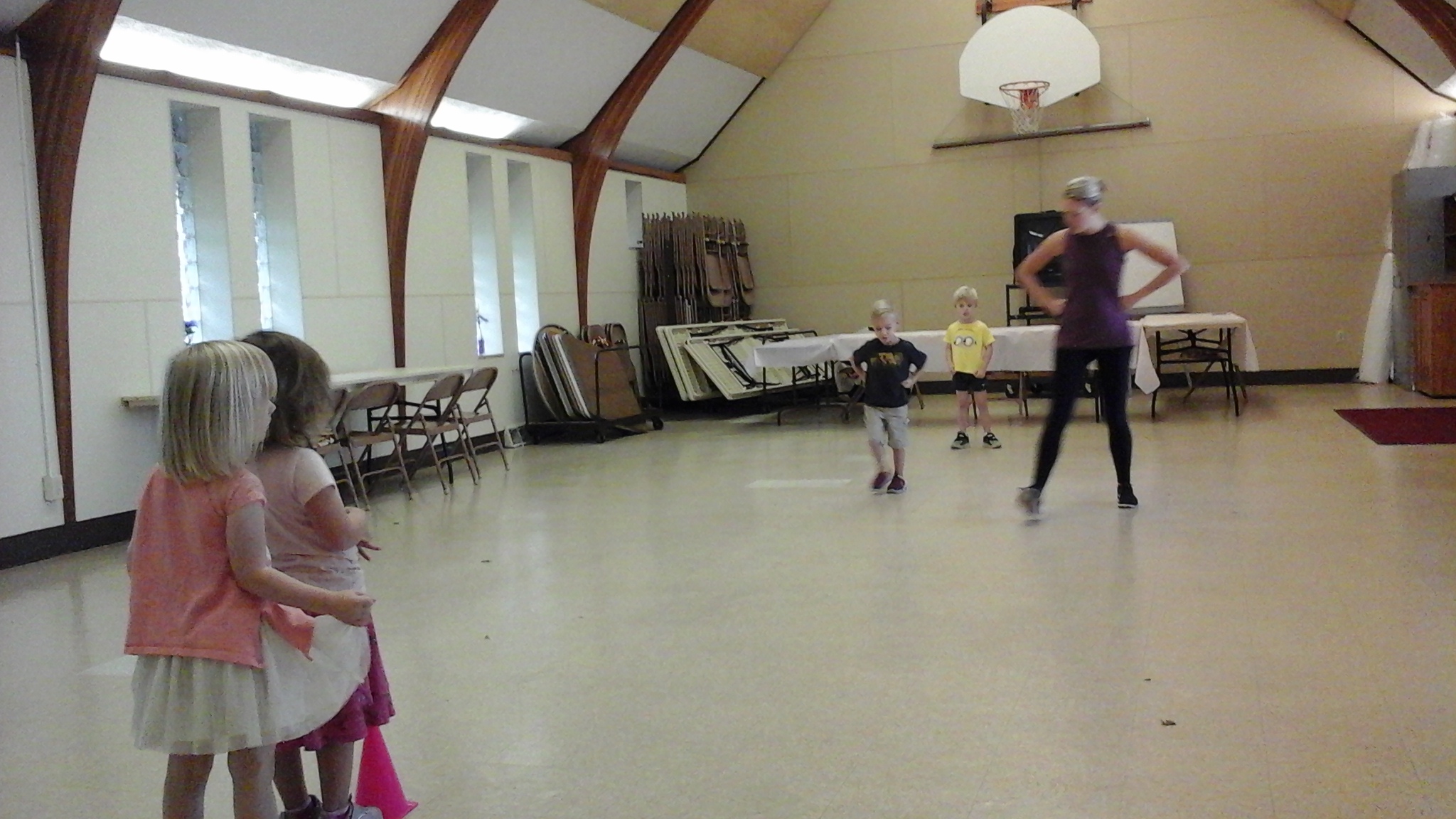
During inclement weather we put on kid’s yoga or kid exercise videos and the students love to follow along, sometimes we go to the mma gyms for kids and they completely love it. Working on gross motor skills helps a child gain strength and confidence in his/her body. It also helps them get exercise and physical activity, which is important for a healthy lifestyle, our teacher has been trained by the best PE coaching companies, she knows what the proper exercises are for a toddler. Developing these skills helps a childs ability to do more complex skills in future activities, such as playing soccer with a team.
This boy discovered that the difference in size per block is the size of the smallest piece of the Pink Tower.
The aim for the Pink Tower: Direct- -Visual discrimination of dimensions.
Indirect-
– Refinement of voluntary movement by placing the cubes one on top of the other with one single movement of the hand.
While doing this movement, the child is refining visual-motor coordination and is called upon to concentrate.
– Preparation for mathematics.
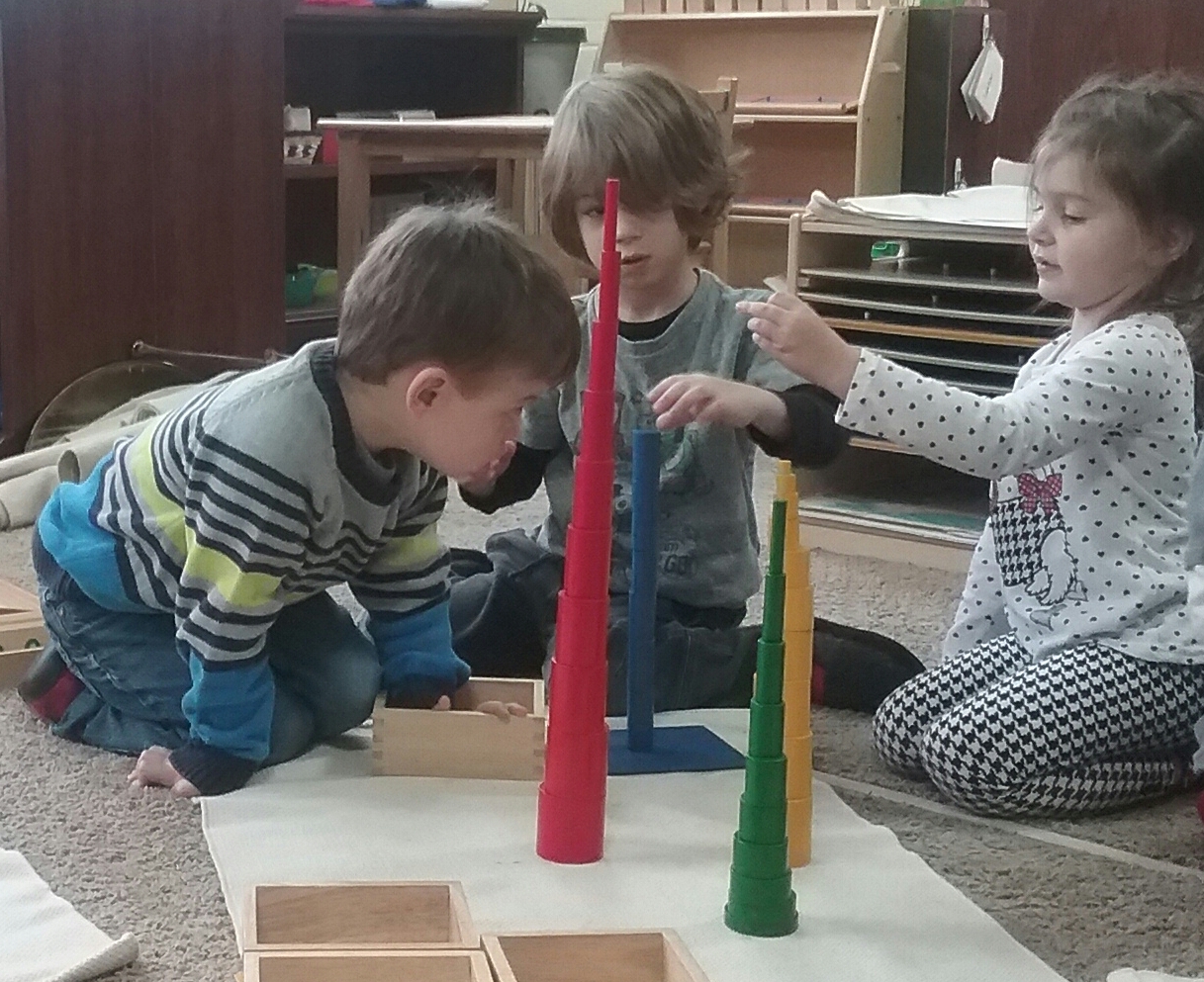
Friends working on Knobbless Cylinders. The aim of these cylinders is to develop child’s fine-motor movements, concentration, hand-eye coordination, and visual perception of dimension. The material also provides experiences of seriation and gives the child basic language important in math.
Next Week: Line Time- Christmas Show Practice
Letter Of The Week- No Letter of the Week due to Christmas Show Practice.
Rhyming Word Of The Week- No Rhyming Word of the Week due to Christmas Show Practice.
Next Language will be – No Language of the Week due to Christmas Show Practice.
Snack will be brought to you by Finn
Upcoming Events: 12/12/2018 Wednesday— Practice for Christmas Show at Cuyahoga Falls High School 6pm
12/14/2018 Friday– Christmas Show at Cuyahoga Falls High School 6pm ((( All students to be picked up by 3:15 )))
12/21/2018– Pajama Day and Show and Tell. We will supply a Pizza Lunch since we won the box tops.
**** Student attire for the Christmas Show is white tops with gray or navy blue pants/stockings or tights. ****
************** December 22, Saturday through January 6, Sunday Winter Break **************
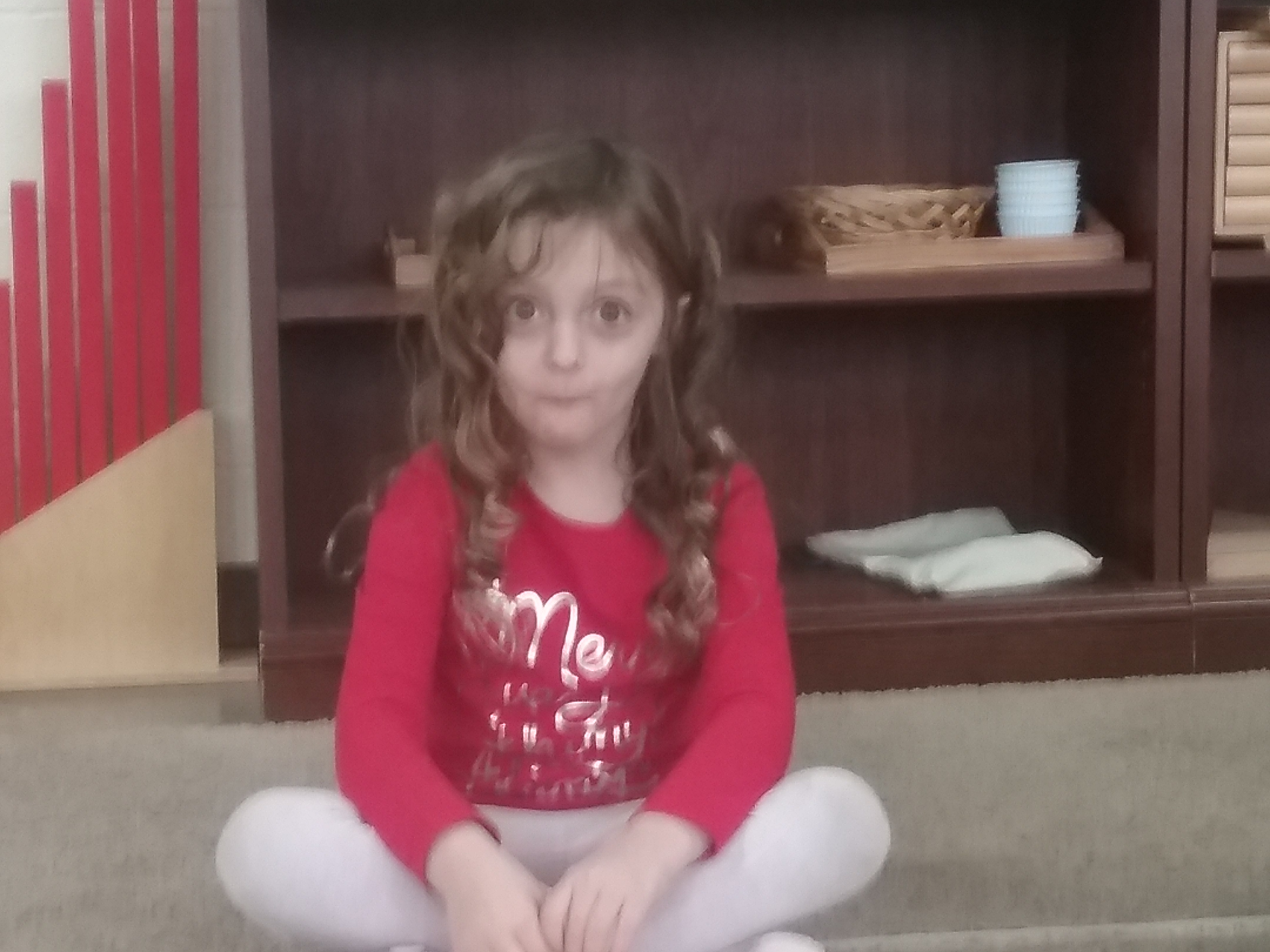
Fancy dancy crazy curls and making crazy face
H (squared)
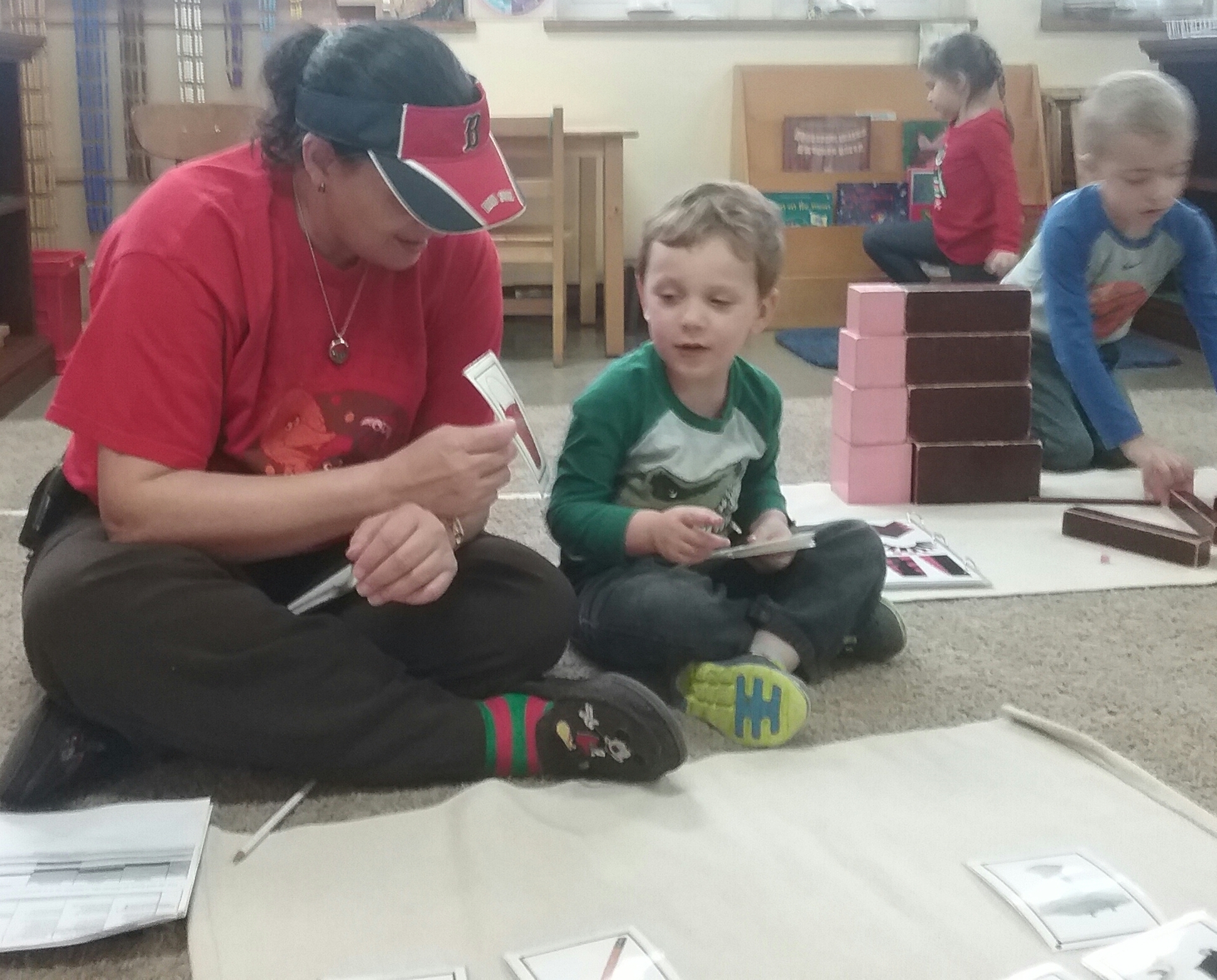
Ms. Kathleen working with a child on What Goes Together Cards.
Lesson: Parts of Mammals, Reptiles, Amphibians, Birds, and Fish –
We also learned the characteristics of those animals. All of the above animals are vertebrates, some are cold blooded (amphibians, reptiles, and fish) and some are warm blooded (mammals and birds). Some are born from jelly eggs (fish and amphibians), hard shell eggs (reptiles and birds), or born alive (mammals and fish). All the animals skin is different.
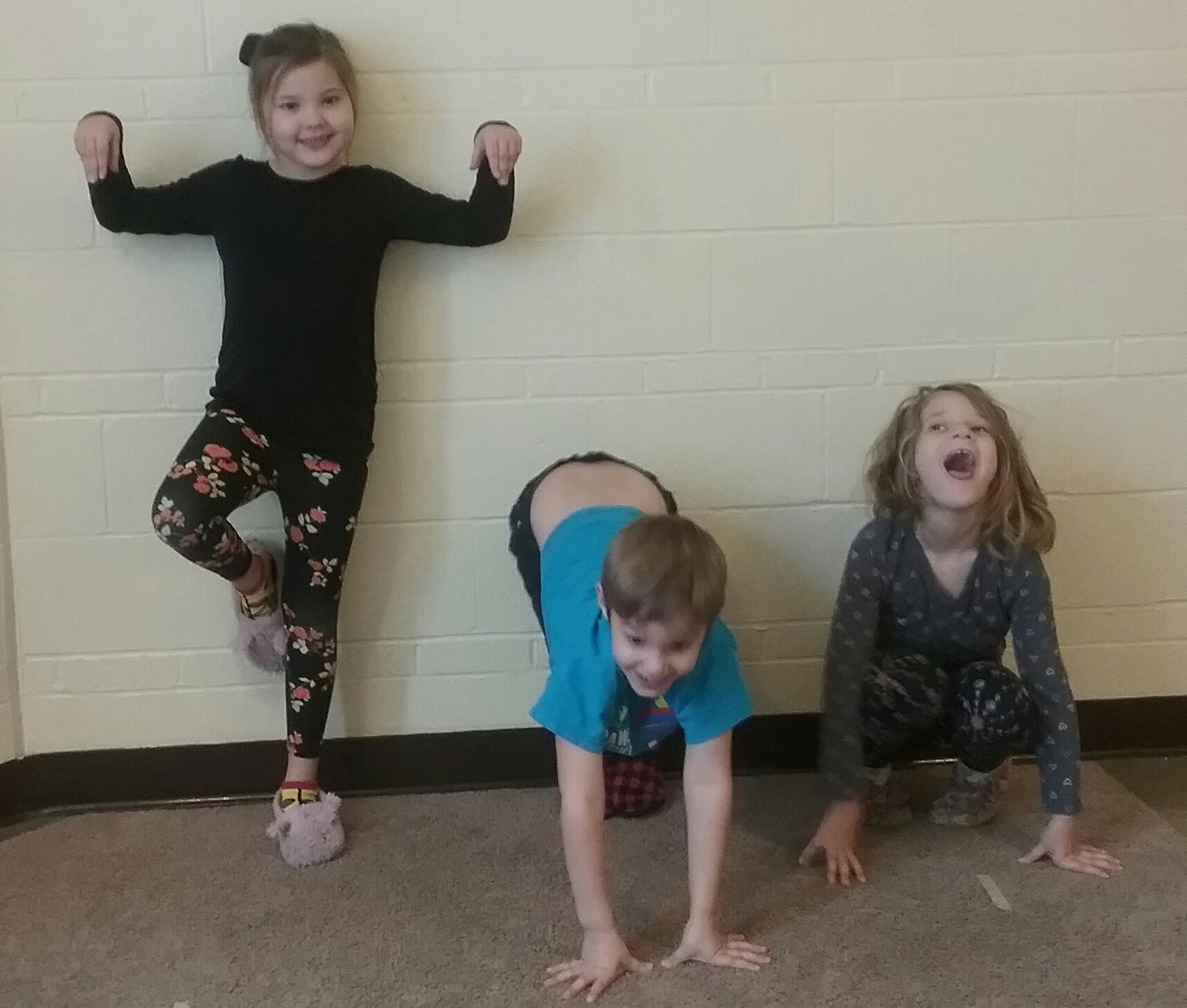
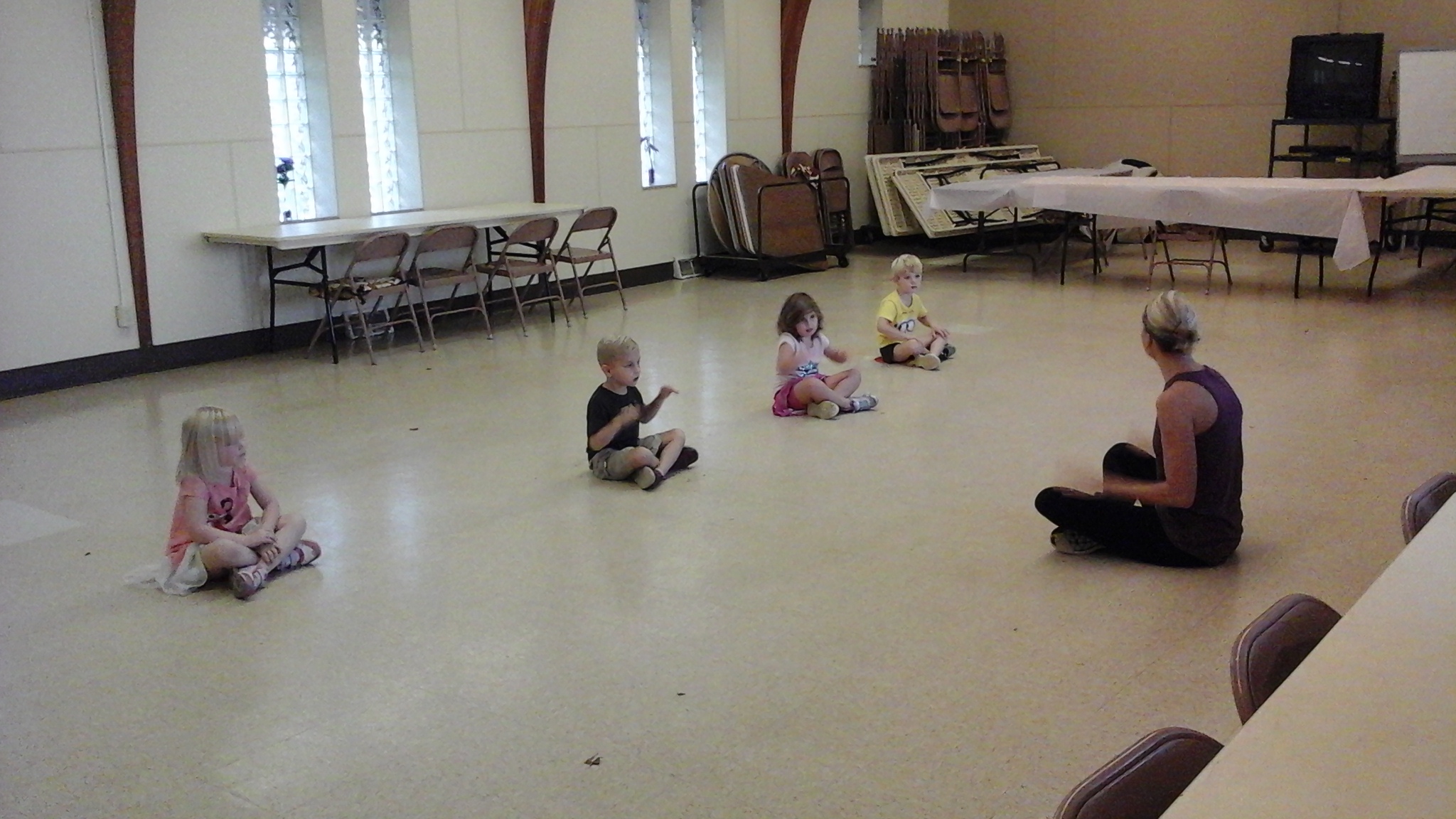
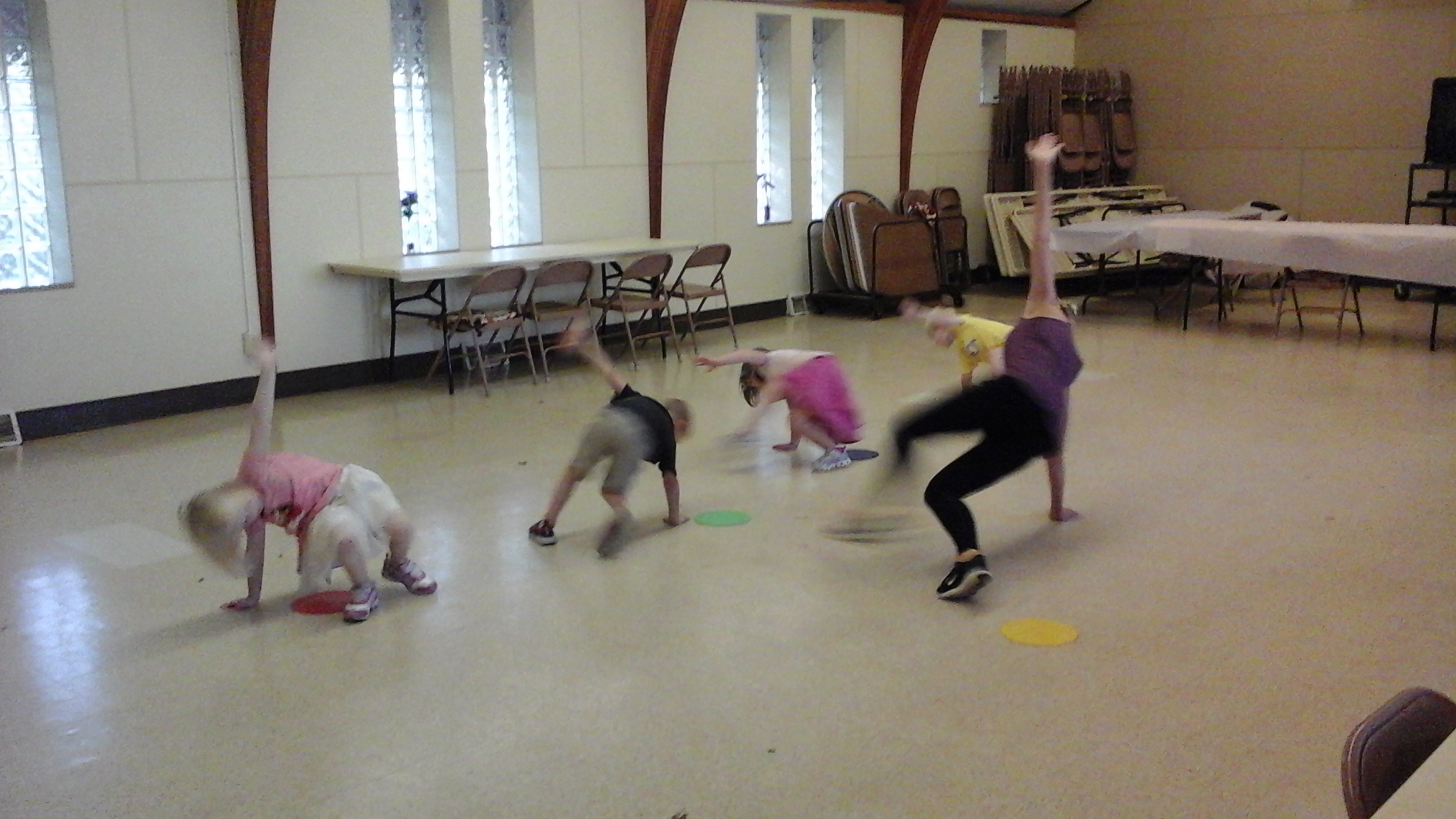
The Kindergarten Students pretending to be their fave animals. From left to right…. flamingo, horse, frog…..
Handwriting: We practiced our cursive fax, rag, pal, tack.
Cultural Subjects: Your children can now count to ten in 17 languages (English, Latin, Sign Language, Spanish, German, French, Japanese, Greek, Arabic with the Lebanese Dialect, Italian, Russian, Romanian, Swedish, Tagolog, Hebrew, Korean, and Hungarian).
Next Week: Lesson- Using Rulers
Sight Words Of The Week- No lessons due to Christmas Show Practice.
Synonym Of The Week- No lessons due to Christmas Show Practice.
The next language will be- No lessons due to Christmas Show Practice.
“We must help the child to act for himself, will for himself, think for himself.” – Maria Montessori
We enjoyed being back together this week. This week has been busy with students presenting lessons, students presenting research, students assisting in lesson presentations, and of course, Christmas Show practice! Three of our reading groups have completed the stories they have been working through so far this school year. Our “Rocket Readers” group has completed the book “Tornado” by Betsy Byars. After completing their story, they wrote a research book about tornadoes which included information about what a tornado is, how its severity is tracked, and how to stay safe when one is spotted. They shared this information with our class! The “Six Scoops” group finished reading “From the Mixed-Up Files of Mrs. Basil E. Frankweiler” and researched the historical figures mentioned throughout the story. The “Senior Readers” group completed “The One and Only Ivan” and are writing persuasive essays about whether or not animals should be kept in cages.
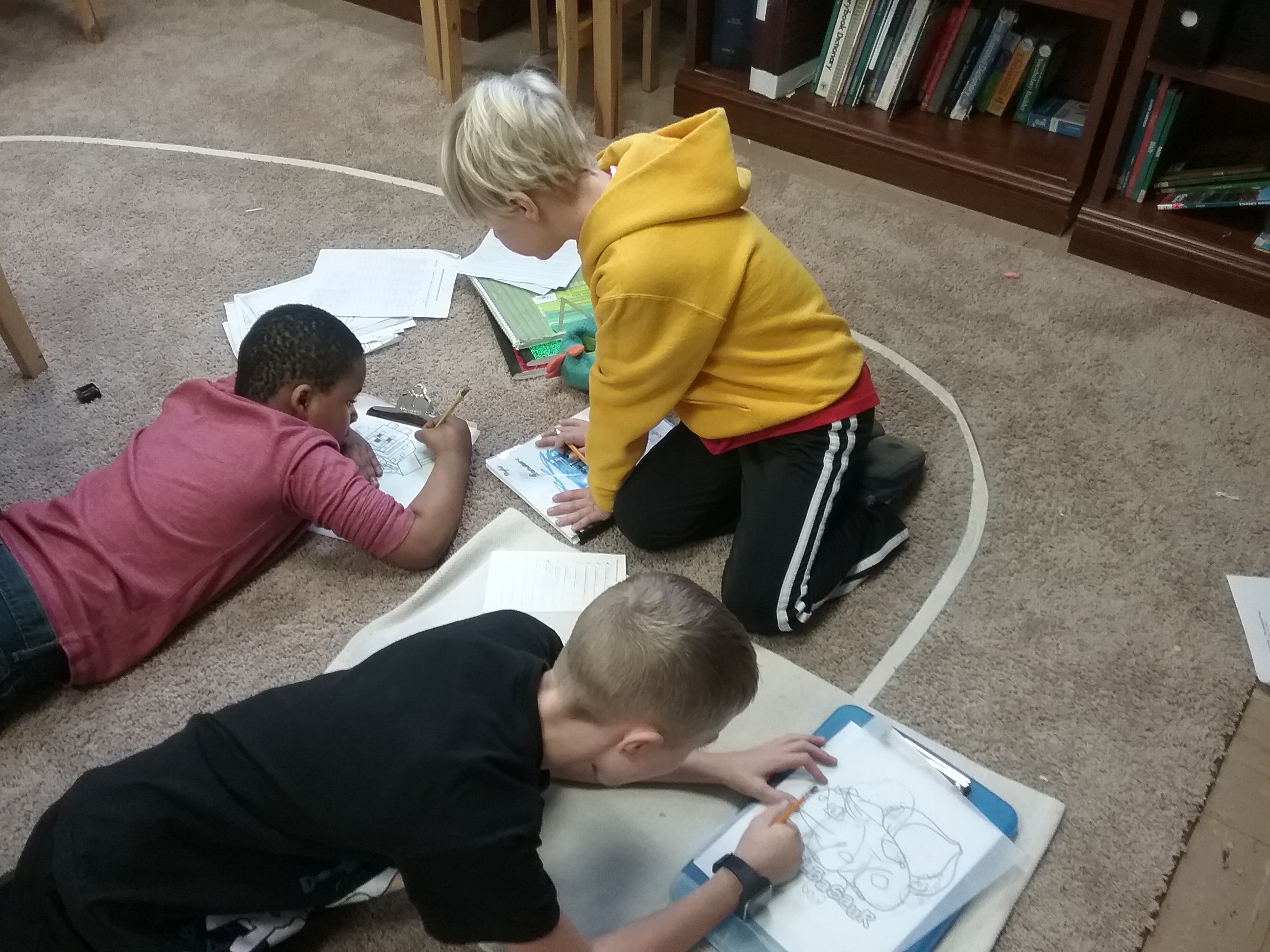
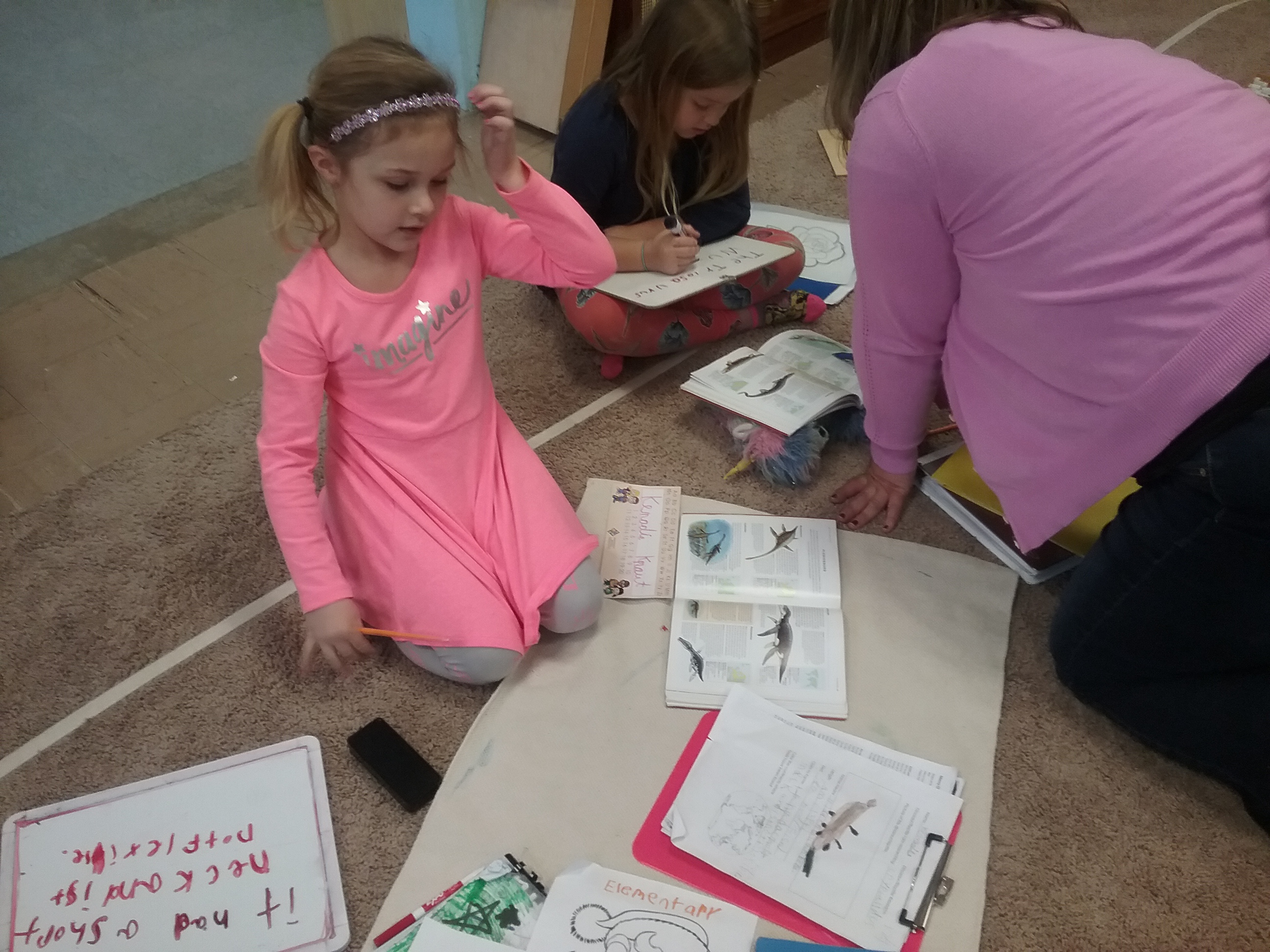
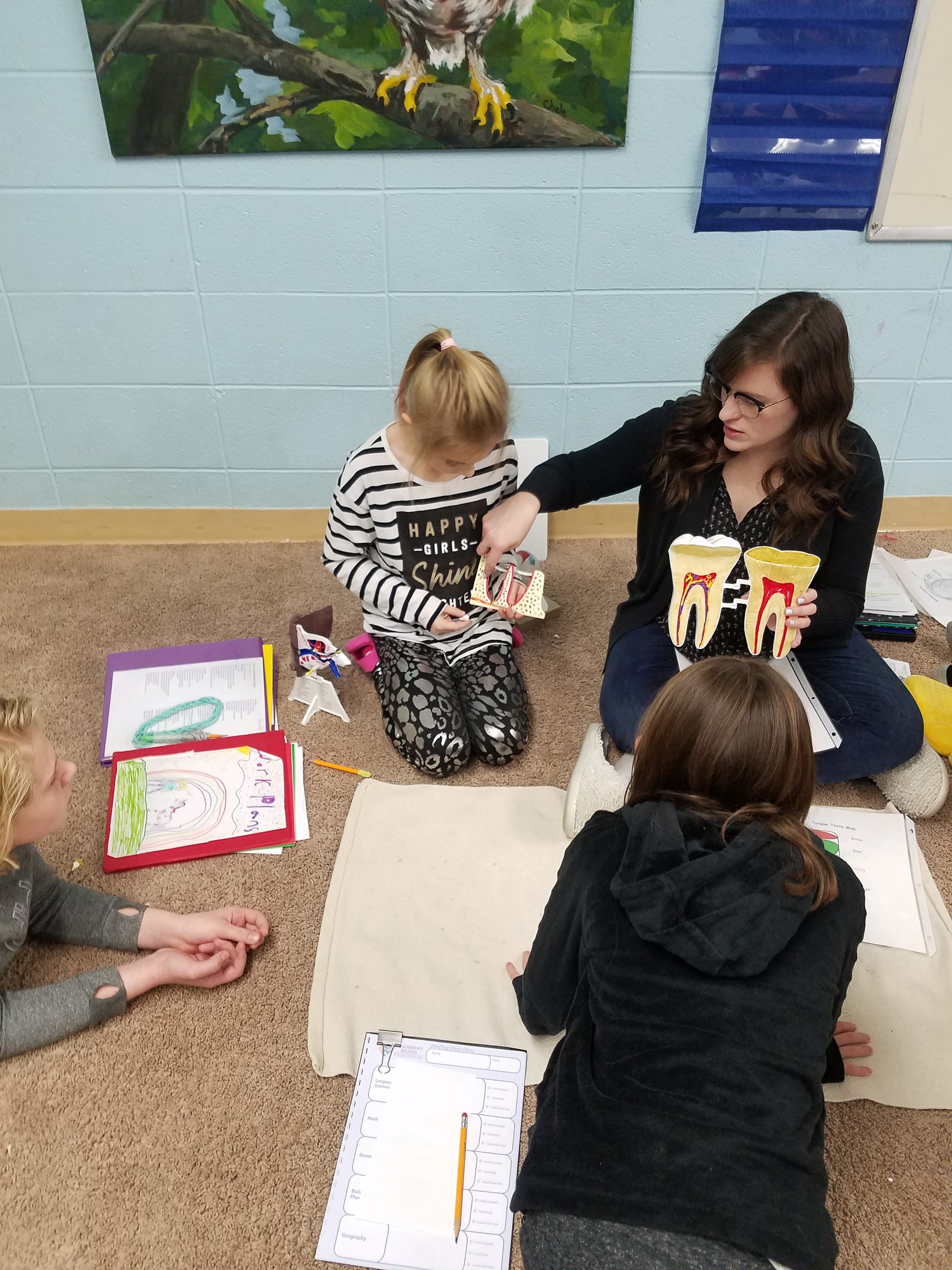
One of our first year students asked before break if he could present a lesson on tracing to the first and second year students. After break, he worked with me to add his lessons to our schedule and invited children to a lesson, just like we do. He even assigned them follow-up work! Our older friends were so interested they asked him for a lesson, too! It is so wonderful to see our newer students showing their skills to older friends and all our students showing so much respect during the lessons!This first year student is researching marine reptiles from the Mesozoic Era. She used books to find what the name of her plesiosaur meant, where its fossils were found, what size it was, and why it is so memorable. Our first year students will share their research at Community Meeting Monday.These second year students are working with our “Prepared Angles.” This work is comprised of task cards that tell students the size of an angle and the length of the angle’s sides. The students then need to measure the angle with a protractor and make sure the sides match the length listed on the cards. This work gives students practice measuring with a protractor and a ruler.This fourth year student helped me present a lesson about the eye, the ear, and the tooth. Last year as a third grader, she had lessons about the human anatomy and was able to share that information with the current third graders. The third graders will continue to study the human body and build a model of it throughout the year.
“A Peek at Next Week”
Next week, we will begin new novels in our reading groups that finished their books. The second year students will be joining each other in a reading group and will be voting on the book they want to read. The third year students will join our Upper Elementary students in reading “A Fish in a Tree.” Our lower elementary students will write biographies about their peer mentor, will study sentence analysis, and will discuss light and friction. Our Upper Elementary students will study portmanteaus, interjections, density and matter, and decimals.
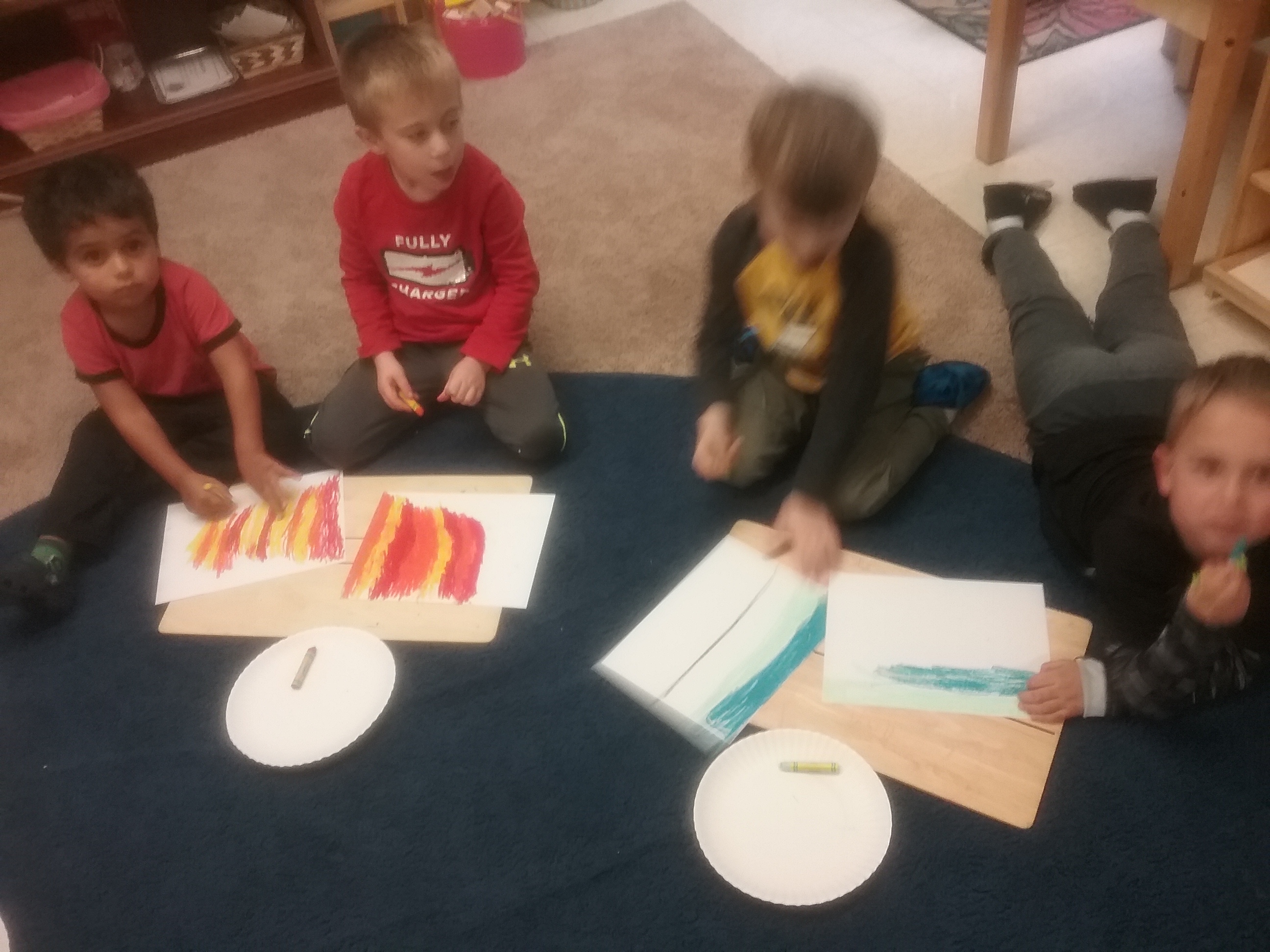
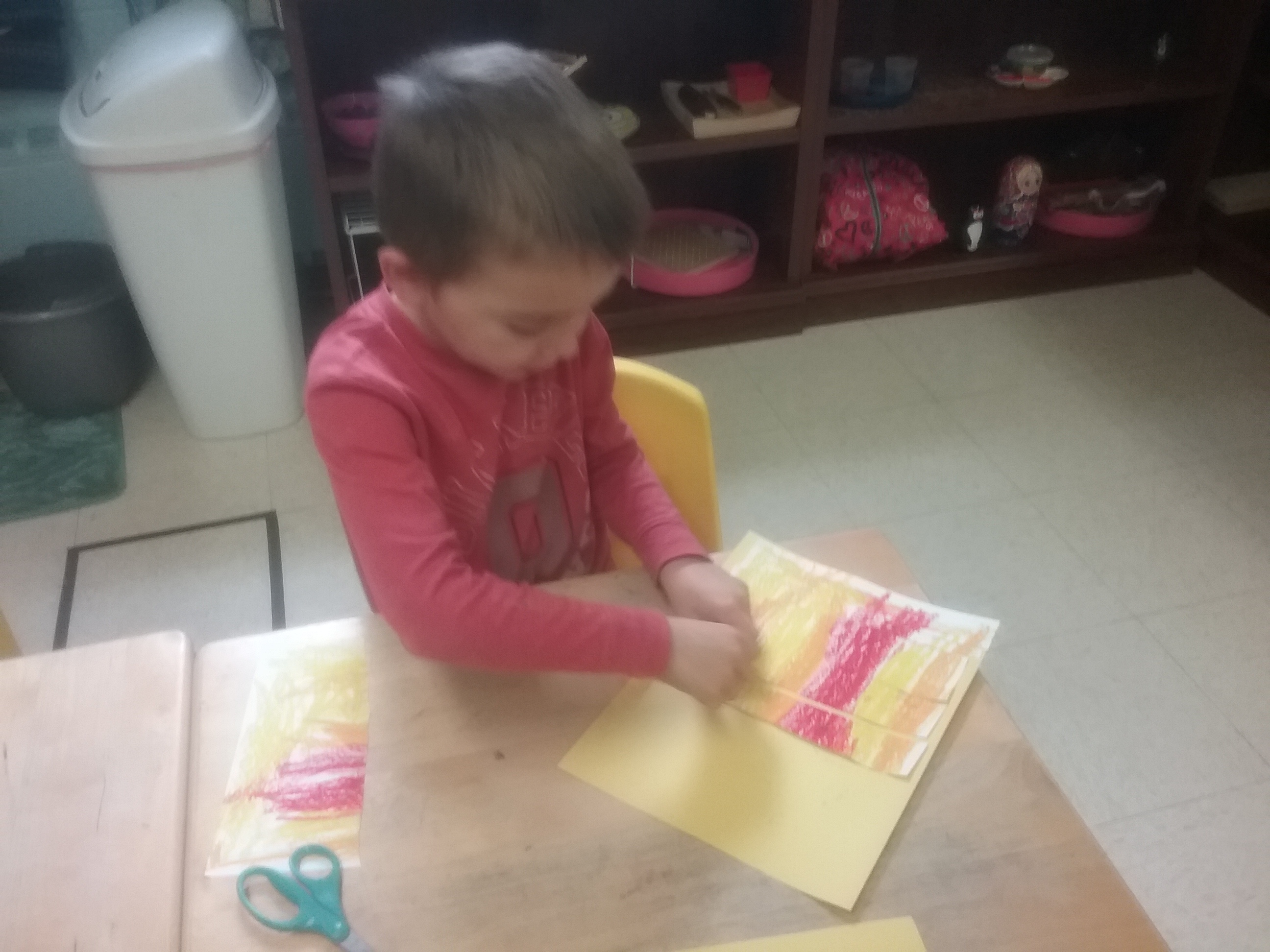
This month I focused on colors while contiuing to practice with art materials. The primary students learned about warm and cool colors. They found out that warm colors make you think of warm things like fire and the sun, and cool colors make you think of cold things like water and the earth. The students used oil pastels to color their papers then cut them up in strips and glued them to construction paper.
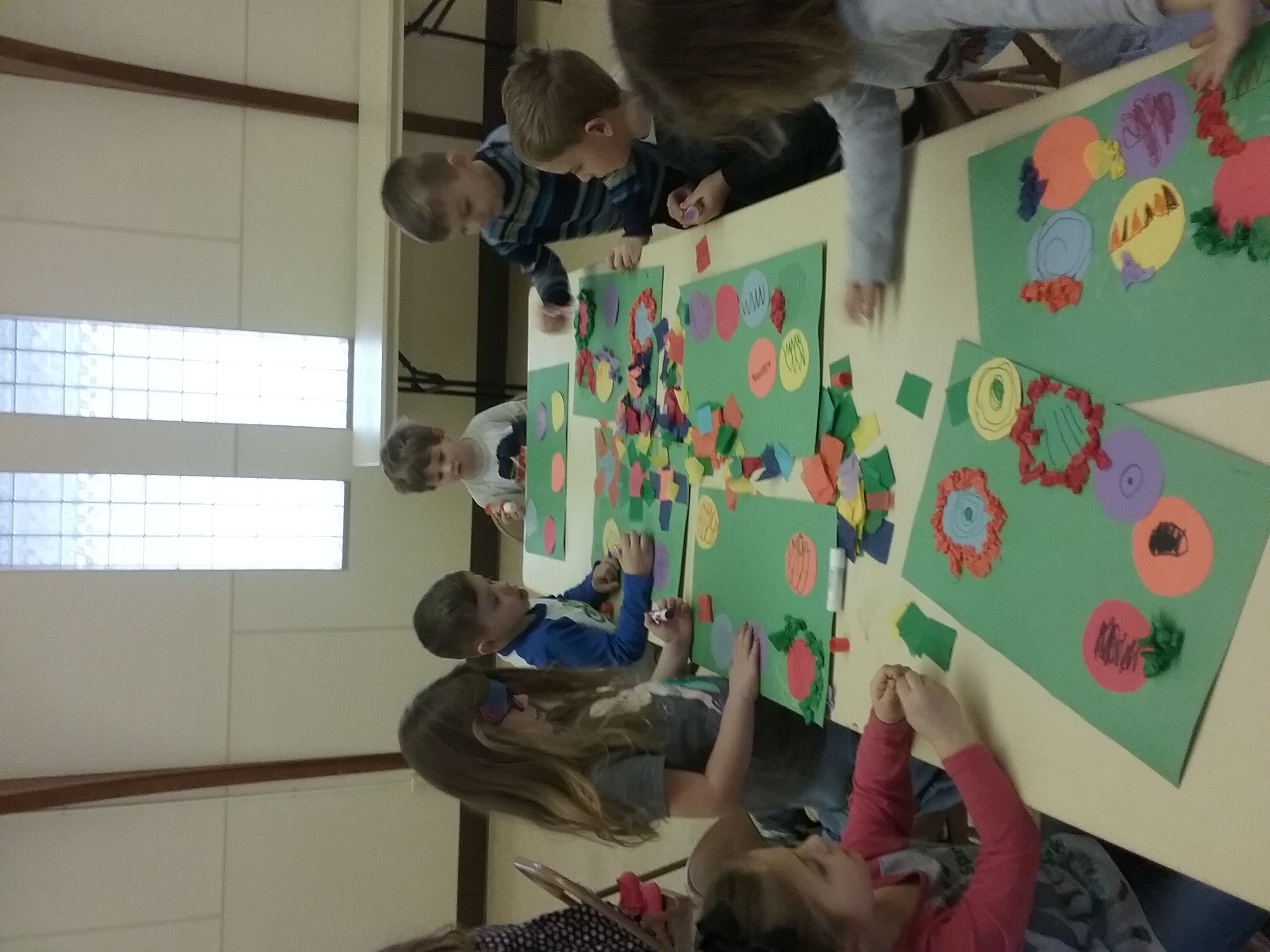
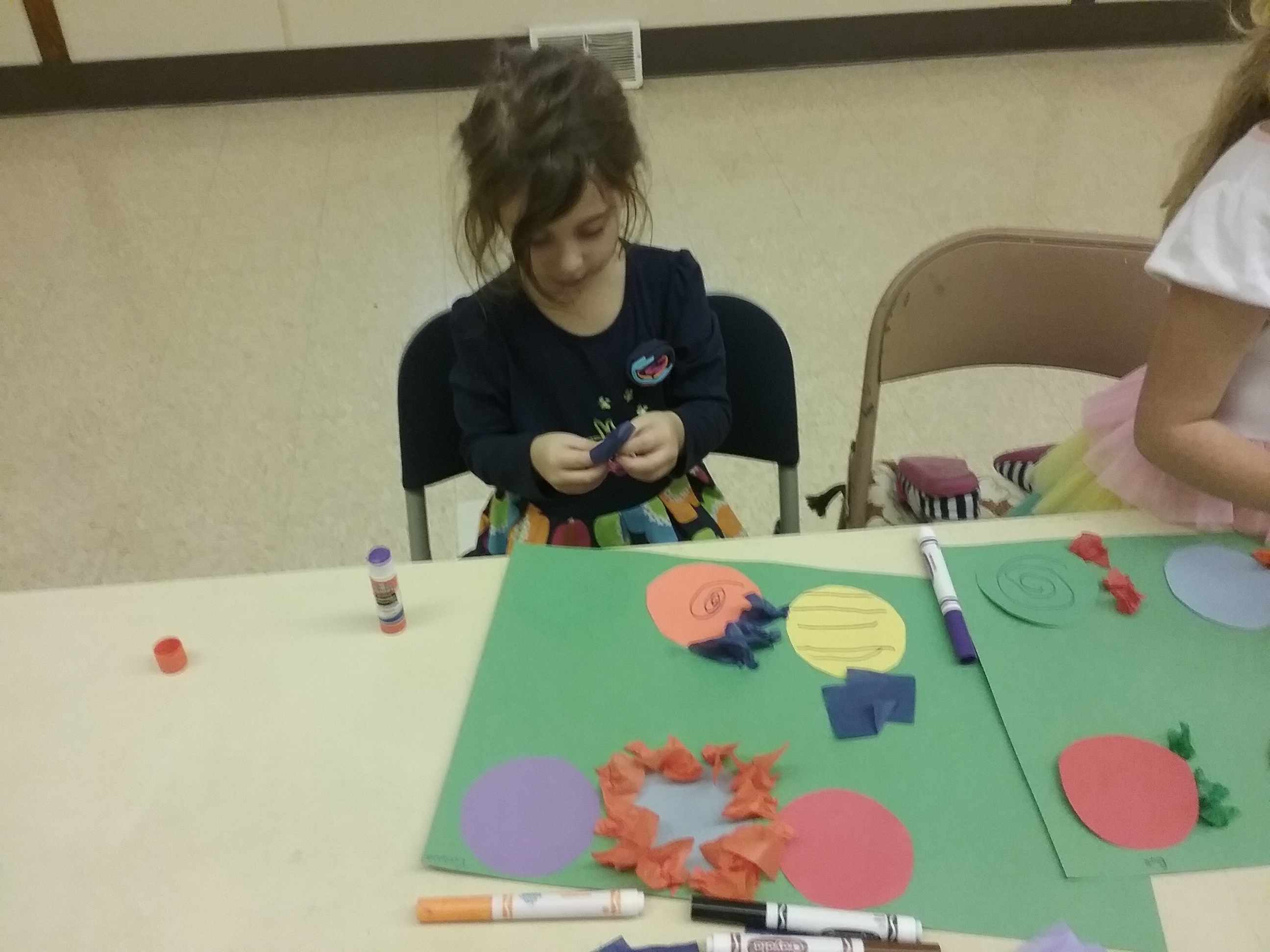
Next, the Primary students learned about complimentary colors. They found out that complimentary colors are opposite of each other on the color wheel, and when they’re combined in the right way create white light. For our project, the students glued down the center of a flower and then glued the complimentary color of tissue paper around for the petals. Then to add a finishing touch, the group decorated the center of the flower with different lines, which they learned is a segment that has a start and an end.